Smoke flavor
Also appears on labels as: natural smoke flavor, hickory smoke flavor, liquid smoke
Wood smoke condensed into a liquid or powder and added for a smoky taste, in place of smoking the food itself.
Watched ingredients get highlighted on every product panel you open.
- Where it comes from
- Wood heated with little air (pyrolysis). The smoke is condensed, and the tar is separated out.
- Why it's in the product
- Flavor, mostly in jerky-style treats and bacon- or barbecue-flavored products.
- Safety and toxicity
- In 2023 the European Food Safety Authority found genotoxic substances in six of the eight smoke flavorings on the EU market, and could not rule out the same concern for the other two for lack of data. It did not estimate the risk from eating smoke-flavored food. The EU declined to renew all eight in 2024, and in 2026 it refused to renew a smoke flavoring authorized as a feed additive for dogs and cats.
- Interactions and who should be careful
- Smoke flavorings are still used in the US, and a label that says natural smoke flavor or hickory smoke flavor doesn't say which flavoring it is or how much.
What the research says
What EFSA found. In November 2023 the European Food Safety Authority (EFSA) published its assessments of the eight smoke flavorings on the EU market, whose authorizations were up for renewal. It concluded that six of them contain genotoxic substances, chemicals that can damage the DNA in cells, and therefore raise safety concerns, and that it could not rule out safety concerns for the other two because data were lacking. It used its 2021 method for mixtures: if one component of a mixture is confirmed as genotoxic, the whole mixture is treated as genotoxic. (EFSA, Smoke flavourings: Q&A with Wim Mennes, chair of its working group on flavourings, November 16, 2023.)
What EFSA didn't find. EFSA did not estimate how likely harm is from eating smoke-flavored food; in its words, that chance "has not been investigated by EFSA". Its assessments are deliberately conservative, built on worst-case assumptions. So the finding is a hazard in the flavorings themselves, not a measured risk from any food, and it says nothing about the amount in a particular product. It also says nothing about the smoke flavorings sold outside the EU, which EFSA did not review.
What the EU did. On April 24, 2024 the EU's member states endorsed the European Commission's proposal not to renew the eight authorizations; the Commission's announcement says EFSA concluded that, for all eight, genotoxicity concerns are either confirmed or can't be ruled out. Commission Implementing Regulation (EU) 2024/2067 of July 31, 2024 took them off the EU list. Foods made with them could still be placed on the market until July 1, 2026, or until July 1, 2029 for cheese, meat and fish, where the flavoring replaces traditional smoking. In January 2026, Implementing Regulation (EU) 2026/89 refused to renew a smoke flavoring authorized as a feed additive for dogs and cats. EFSA could not conclude it was safe for them, because it contains benzofuran and styrene, substances of potential concern for genotoxicity, and the Commission noted that dogs and cats generally eat a less varied diet over their whole lives, so their exposure is expected to be higher than people's. Dog and cat food made with it had to be withdrawn from the EU market by August 4, 2026.
Why we flag it, and why only a caution. Smoke flavorings are still used in the US, and a label that says natural smoke flavor or hickory smoke flavor doesn't say which flavoring it is or how much is in the food. We don't know whether any product here uses one of the flavorings EFSA assessed. So we flag the line as a caution, not an avoid: the concern is a hazard the regulator could not rule out, not a harm shown in pets.
Placeholder Sources: Source citations for this entry will be linked here once the citations feed is connected. Until then, ask us for the reading list any time: [email protected].
General reference, not veterinary advice. Dose, breed, and existing conditions change the answer, so talk to your vet before changing what your pet eats. Think we got this wrong? Tell us and we log it publicly.
Found in 30 scored products
We flag it by name on 30 of them. Lowest scores first.
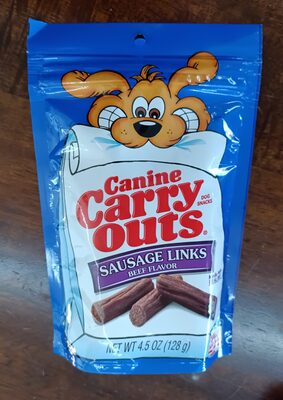 Canine Carry OutsSausage Links, Beef Flavorimported, not reviewed
flagged on this product's score page
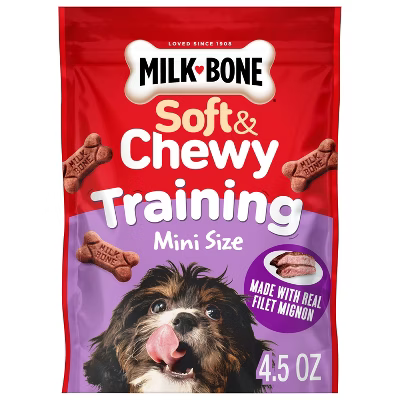 Milk-BoneSoft & Chewy Training Mini, Filet Mignon
flagged on this product's score page
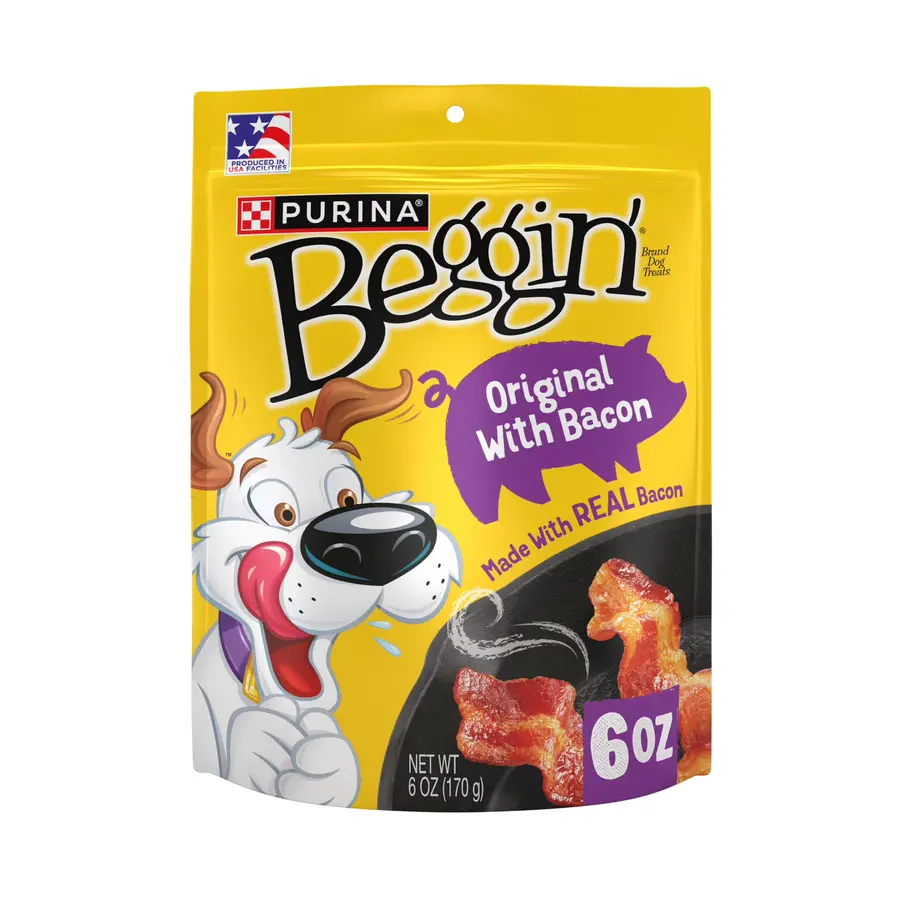 PurinaBeggin' Strips Original With Bacon
flagged on this product's score page
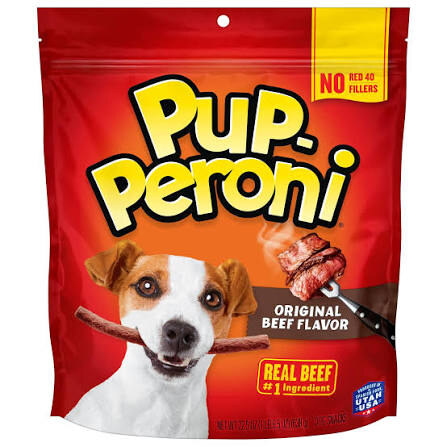 Pup-PeroniOriginal Beef Flavor
flagged on this product's score page
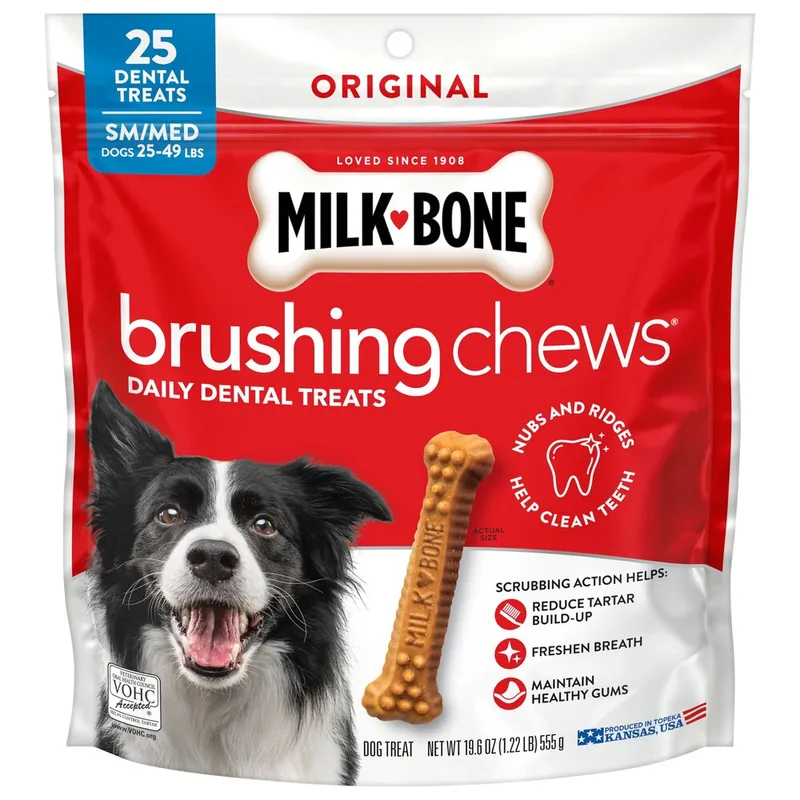 Milk-BoneBrushing Chews Daily Dental Treats, Small/Medium
flagged on this product's score page
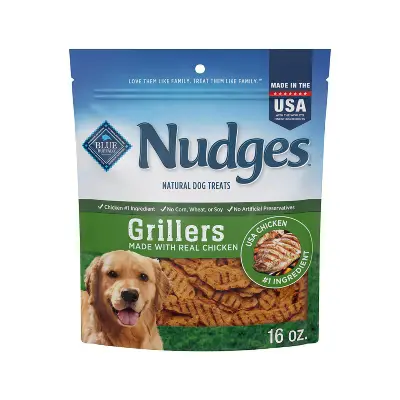 NudgesGrillers Chicken Jerky
flagged on this product's score page
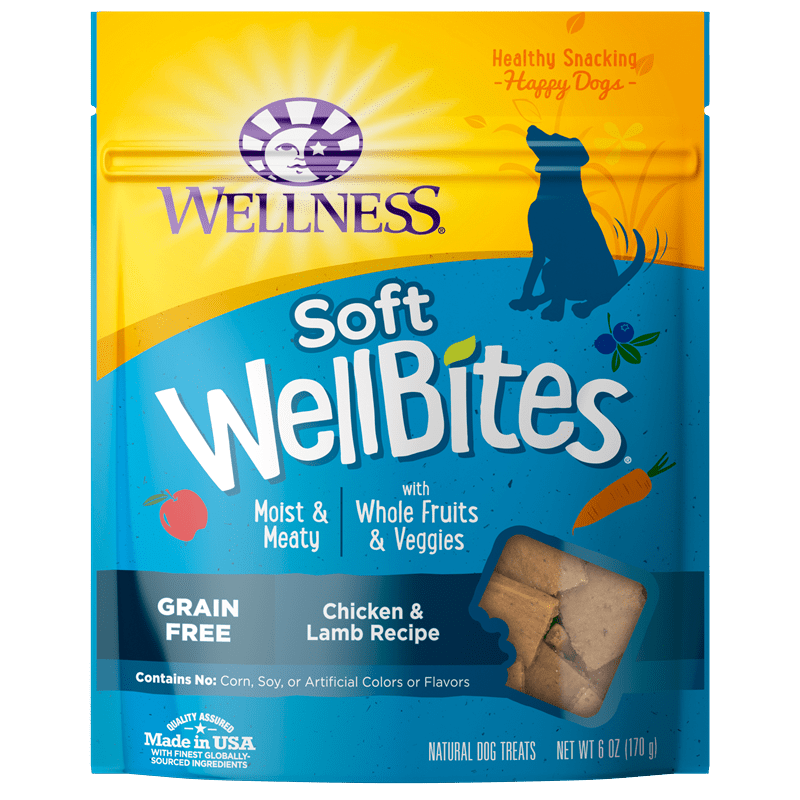 WellnessWellBites Chicken & Lamb Soft Treats
flagged on this product's score page
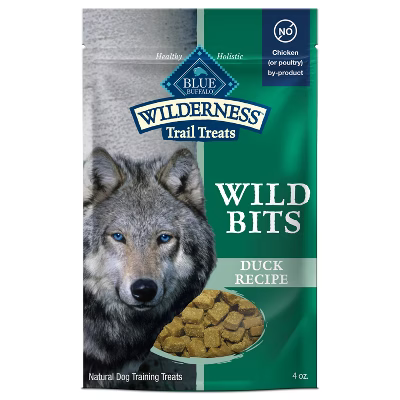 Blue BuffaloWilderness Trail Treats Wild Bits Duck
flagged on this product's score page
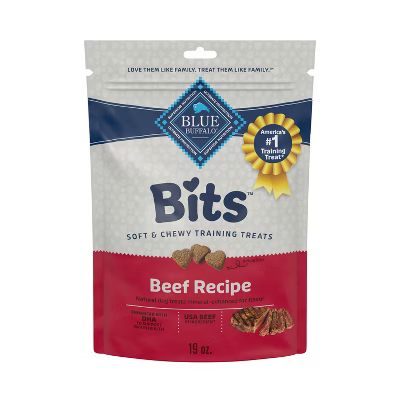 Blue BuffaloBits Soft & Chewy Training Beef
flagged on this product's score page
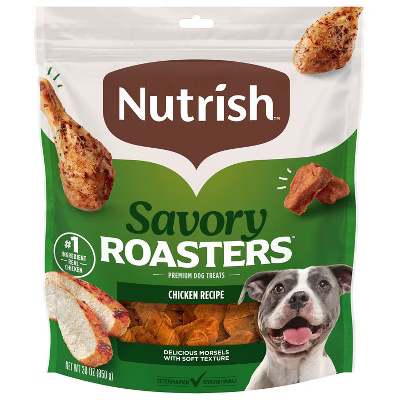 Rachael Ray NutrishSavory Roasters Chicken Recipe
flagged on this product's score page
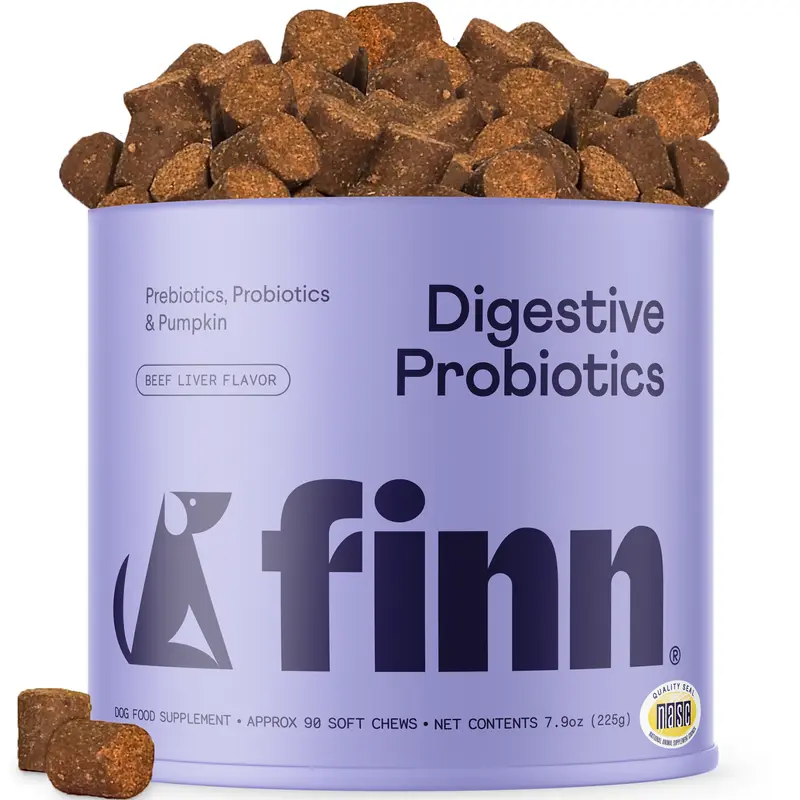 FinnDigestive Probiotics
flagged on this product's score page
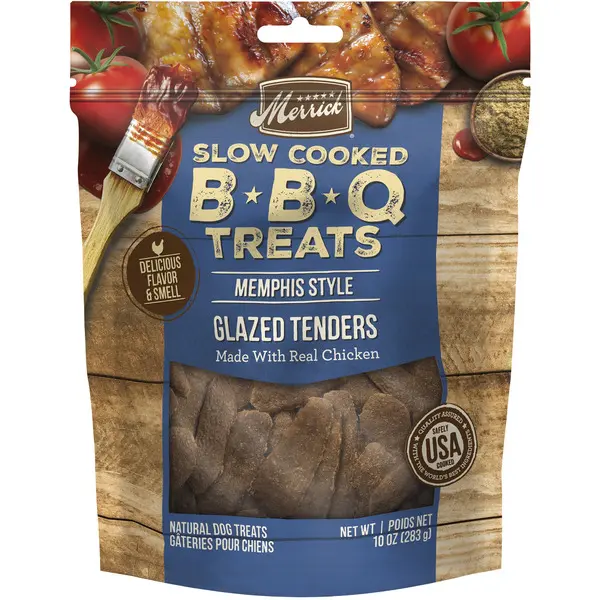 MerrickSlow Cooked BBQ Treats Memphis Style Glazed Tendersimported, not reviewed
flagged on this product's score page
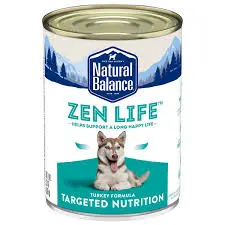 Natural BalanceTargeted Nutrition Zen Life Canned Dog Foodimported, not reviewed
flagged on this product's score page
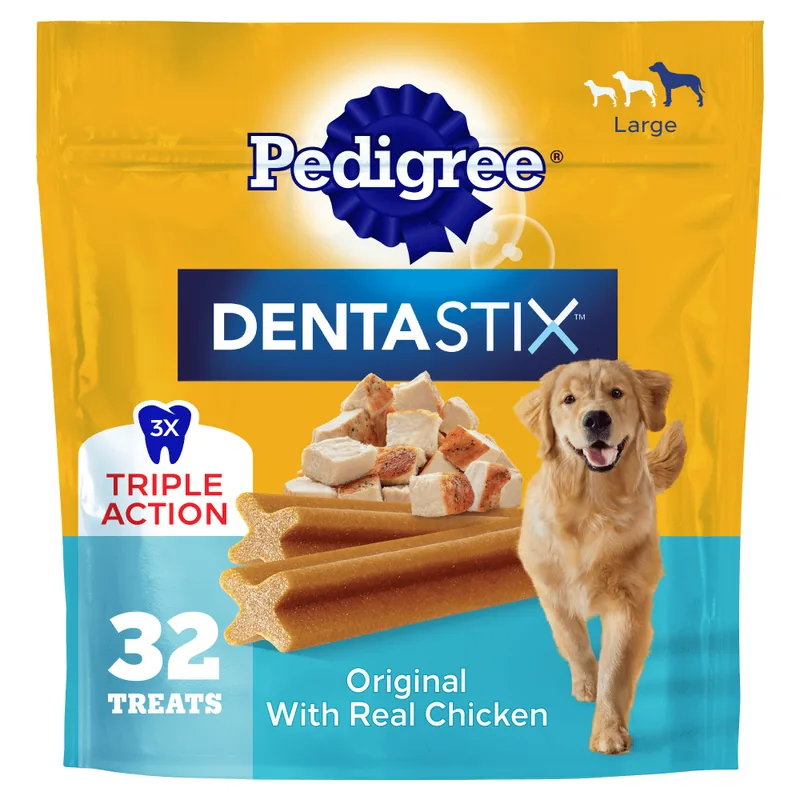 PedigreeDentastix Original Dental Treats, Large
flagged on this product's score page
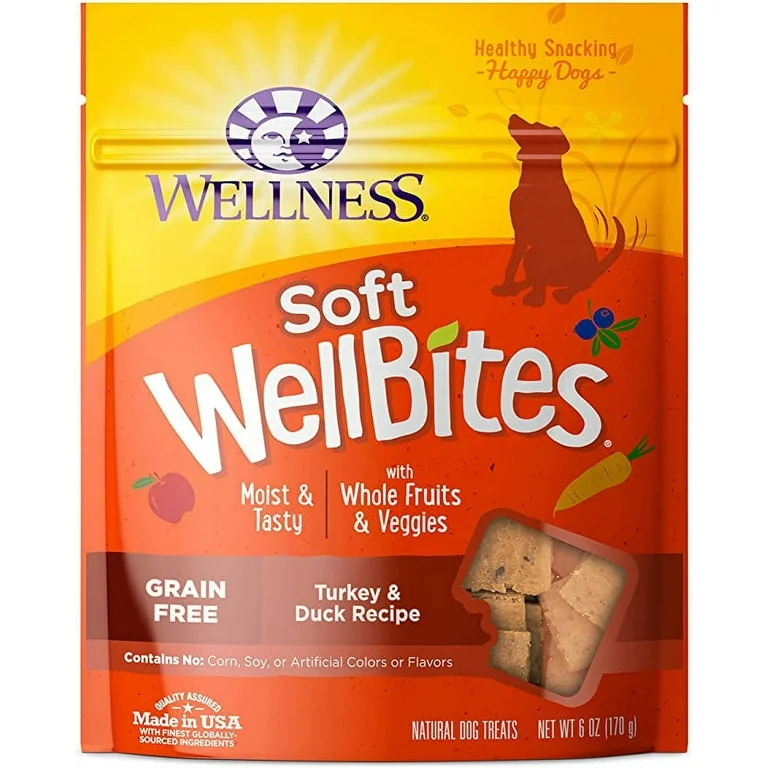 WellnessSoft WellBites Turkey & Duck
flagged on this product's score page
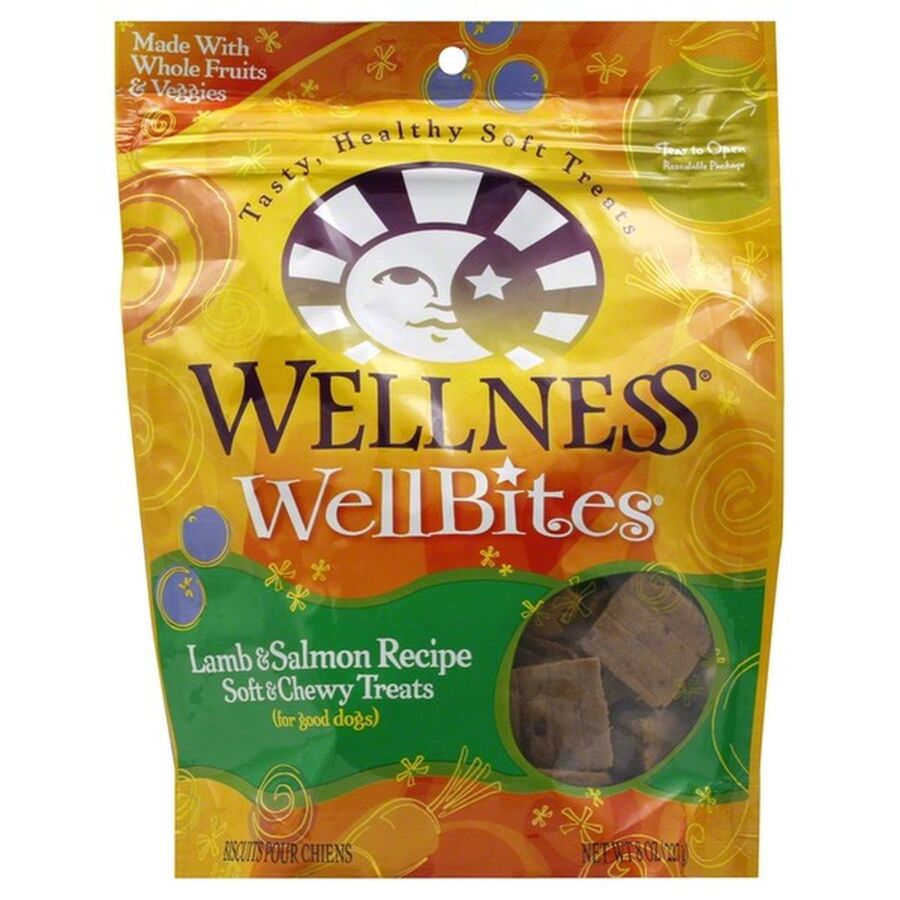 WellnessWellBites Lamb & Salmon
flagged on this product's score page
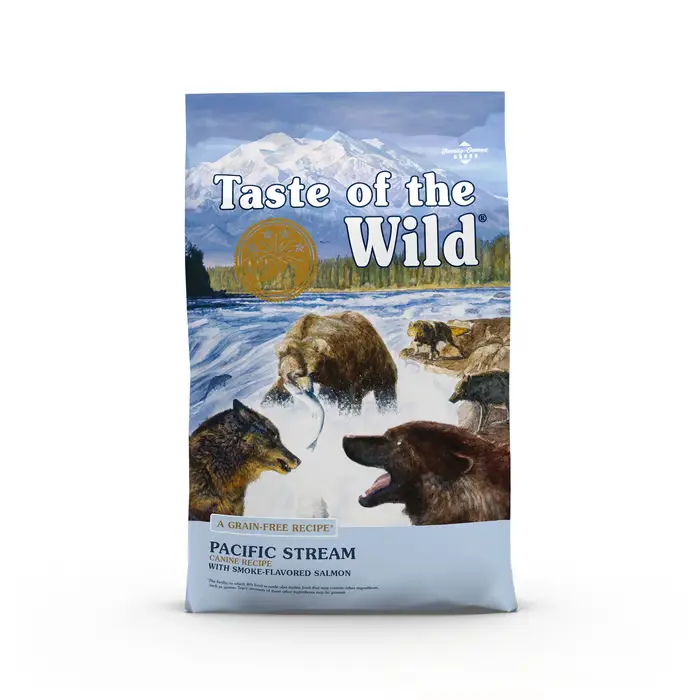 Taste of the WildPacific Stream Canine Recipe
flagged on this product's score page
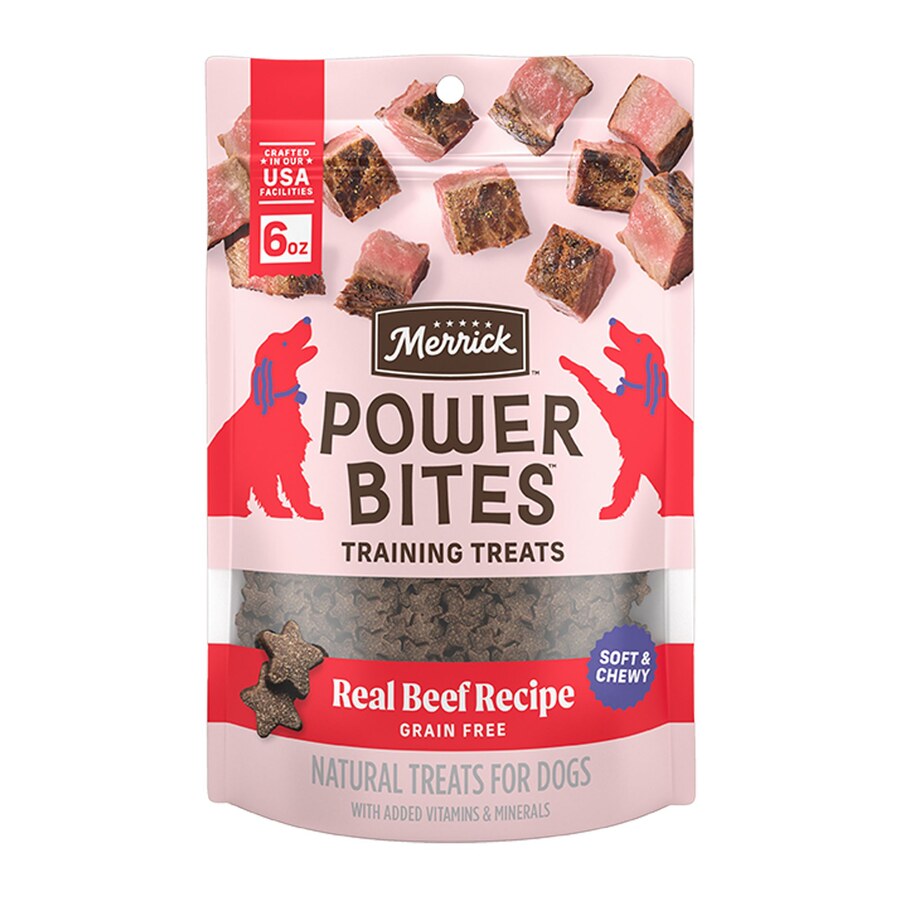 MerrickPower Bites Real Texas Beef
flagged on this product's score page
 Chewy MadeSnacking Sticks Grain-Free Beef Recipeimported, not reviewed
flagged on this product's score page
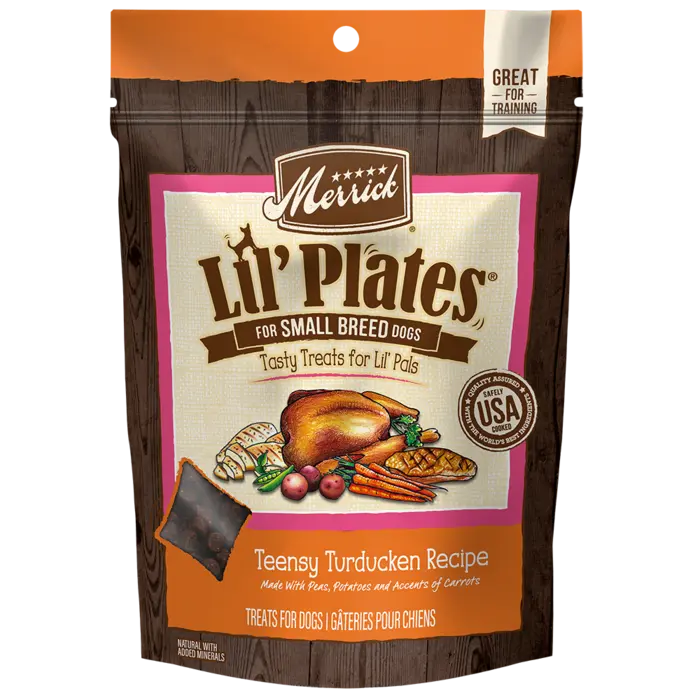 MerrickLil' Plates Teensy Turducken Recipe Small Breed Treatsimported, not reviewed
flagged on this product's score page
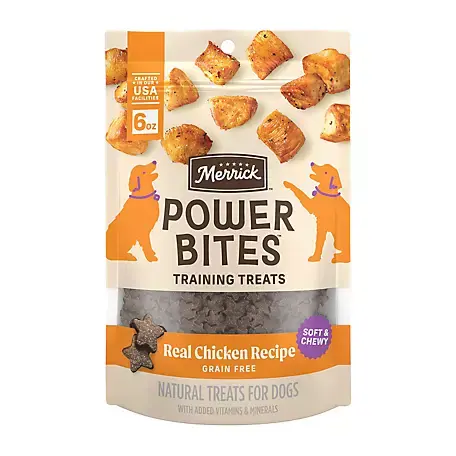 MerrickPower Bites Real Chicken Recipeimported, not reviewed
flagged on this product's score page
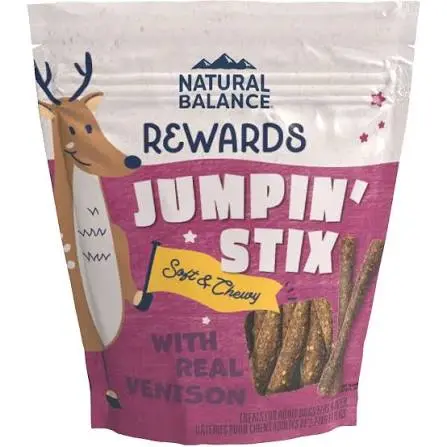 Natural BalanceRewards (Jumpin' Stix) With Real Venisonimported, not reviewed
flagged on this product's score page
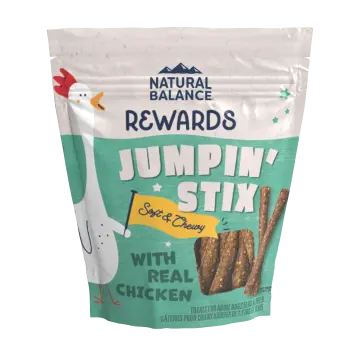 Natural BalanceLimited Ingredient Treats Mini Jumpin' Stix, Chicken & Sweet Potato Formulaimported, not reviewed
flagged on this product's score page
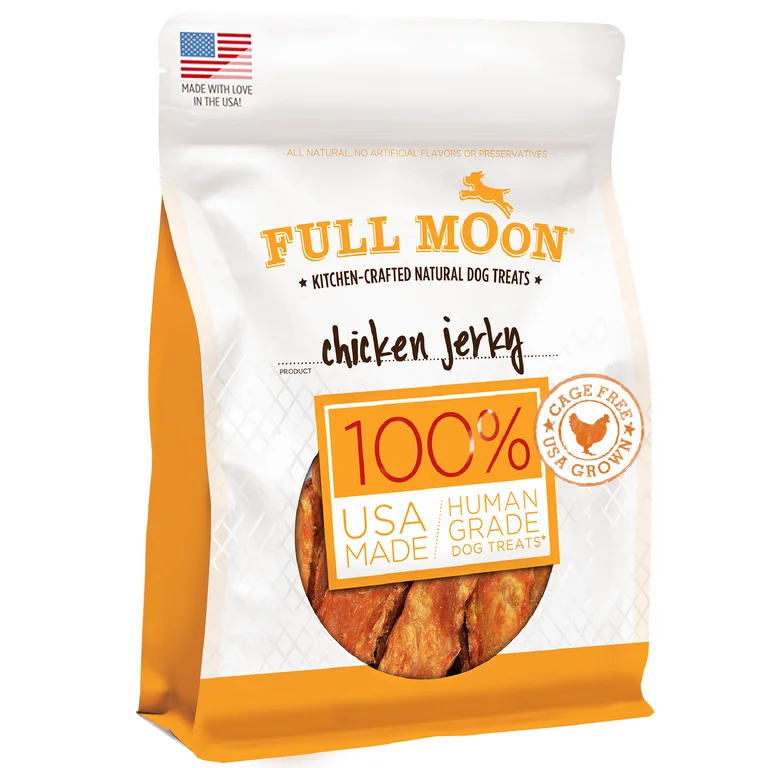 Full MoonOrganic Chicken Jerky Dog Treats
flagged on this product's score page
6 more scored products list this ingredient. Showing the 24 lowest-scoring.