Synthetic fabric
A synthetic fiber in the fabric a pet lies on, kneads, licks or chews: the cover or surface of a bed, a cot, a crate mat or a window perch, and a blanket. That means polyester, recycled included, nylon, acrylic, polypropylene, olefin, polyethylene (HDPE) and spandex (elastane), and blends with any of them, such as cotton and polyester denim. Faux fur, faux suede, faux shearling, microfiber and Ultrasuede are synthetic by definition, so they count even when the maker doesn't name the polymer.
Watched ingredients get highlighted on every product panel you open.
- Where it comes from
- Polymer plants, then textile mills. Polyester, nylon, acrylic and polypropylene start from petrochemicals; recycled polyester often comes from plastic bottles.
- Why it's in the product
- Soft, warm, hard-wearing fabric that washes well and costs little, and the looks of fur, fleece and suede.
- Safety and toxicity
- Synthetic fabric sheds microfibers. In washing tests, fleece and other synthetic jackets each shed up to about 2 grams of them per wash, and worn ones shed more (Hartline and colleagues, 2016). In homes, about a third of the fibers in the air were synthetic, and they settle into the dust (Dris and colleagues, 2017). Cats and dogs in Albany, New York, had PET, the plastic most polyester is made of, in their feces at 10 to 100 times the levels in their food, which suggests their food is a minor source (Zhang and colleagues, 2019). What this means for a pet's health is still an open question, which is why this is a caution rather than an avoid.
- Interactions and who should be careful
- Cotton, hemp, linen and wool sidestep it. We read the cover and the surface, not the fill or the foam inside: a pet reaches those only by tearing the bed open, and then a gut blockage is the bigger danger, whatever the fill is. A fleece, sherpa, felt, velvet, corduroy or suede whose fiber isn't named stays Undisclosed material, since each also comes in natural fibers; a line raises one of the two flags, never both. A finish named on the same line raises its own flag, and so does a PVC coating, as Soft PVC and plasticizers. A raincoat, a harness or a leash is on mostly during walks, and a seat cover mostly during drives, with someone there, and a pet can't get its own collar in its mouth, so we don't flag their fabric.
General reference, not veterinary advice. Dose, breed, and existing conditions change the answer, so talk to your vet before changing what your pet eats. Think we got this wrong? Tell us and we log it publicly.
Found in 18 scored products
We flag it by name on 18 of them. Lowest scores first.
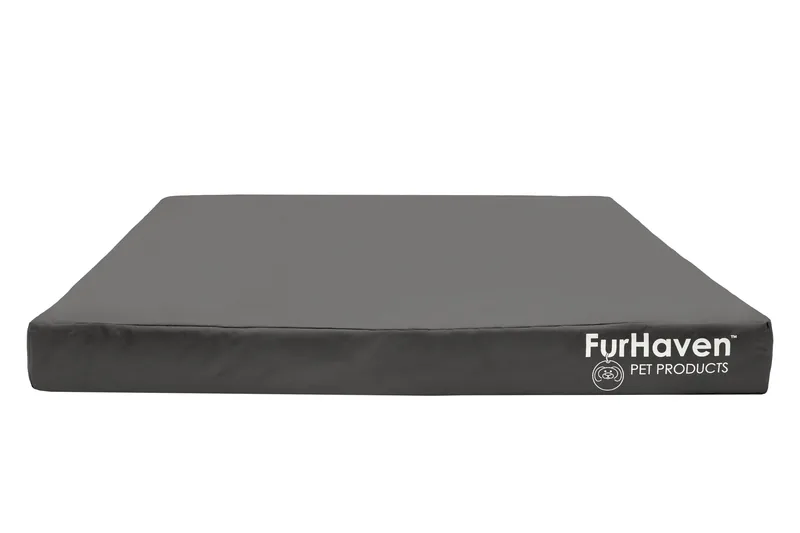 FurHavenDeluxe Mattress Dog Bed, Indoor/Outdoor Oxford
flagged on this product's score page
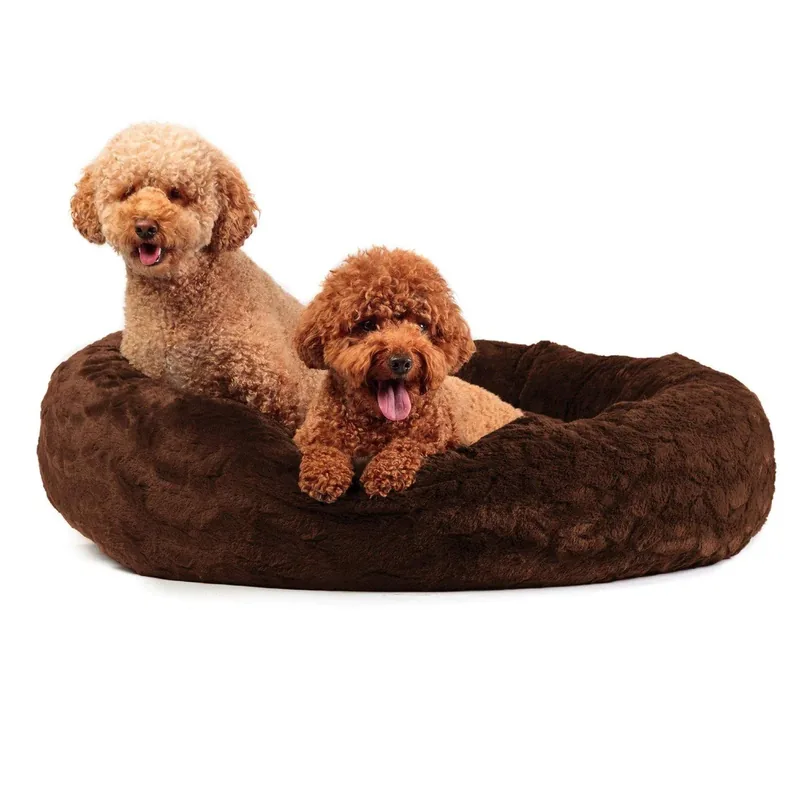 Best Friends by SheriCalming Donut Dog Bed in Lux Fur
flagged on this product's score page
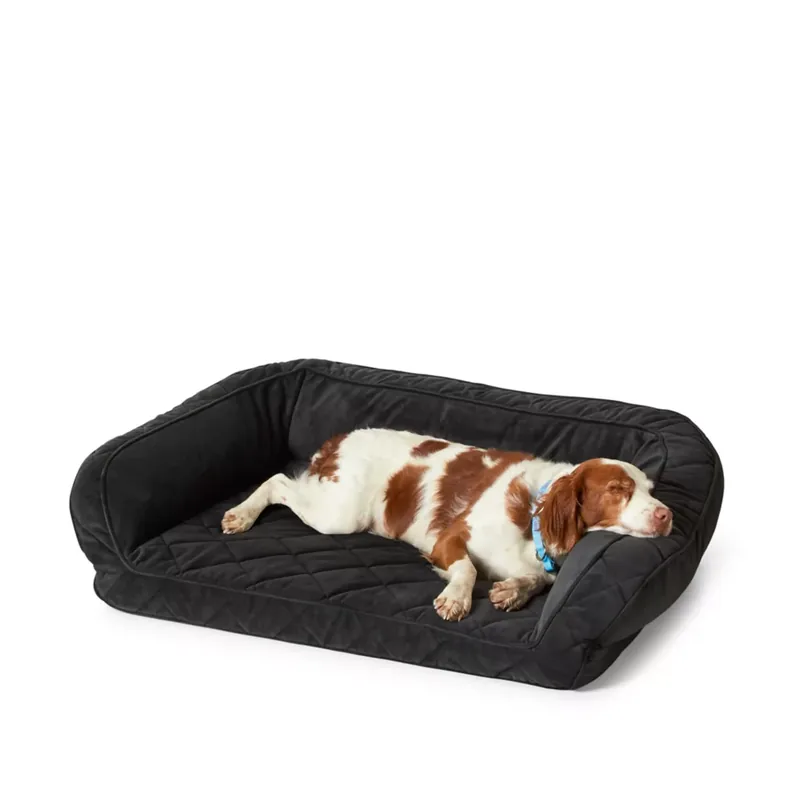 OrvisComfortFill-Eco Couch Dog Bed
flagged on this product's score page
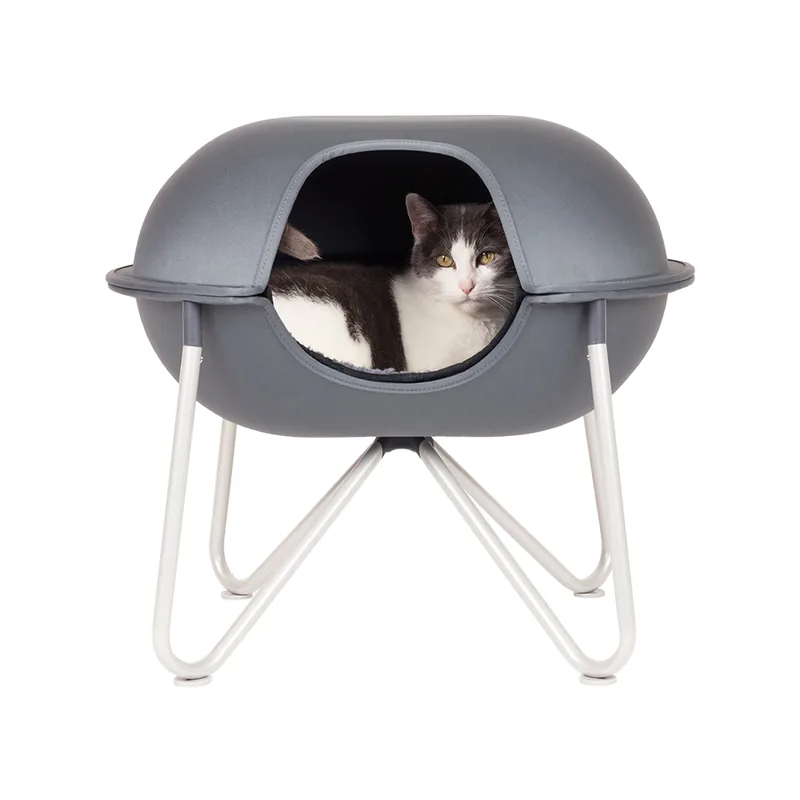 HepperPod Cat Bed
flagged on this product's score page
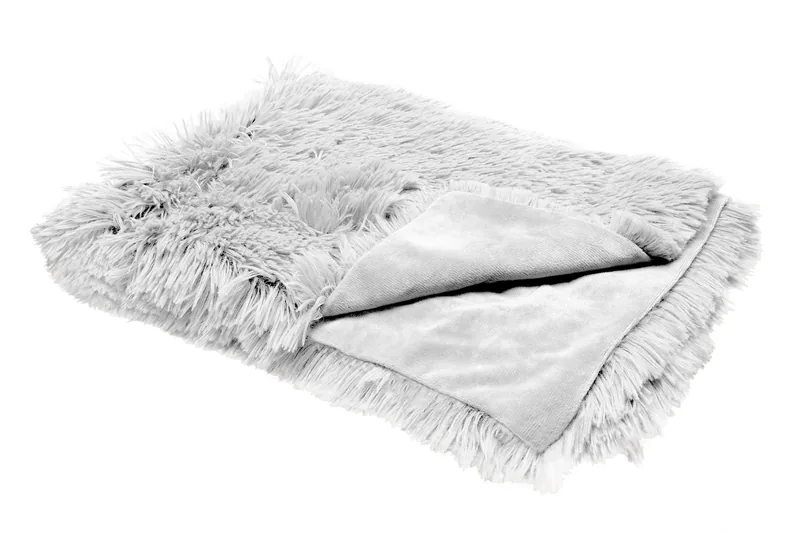 FurHavenWaterproof Pet Throw Blanket, Long Fur & Velvet
flagged on this product's score page
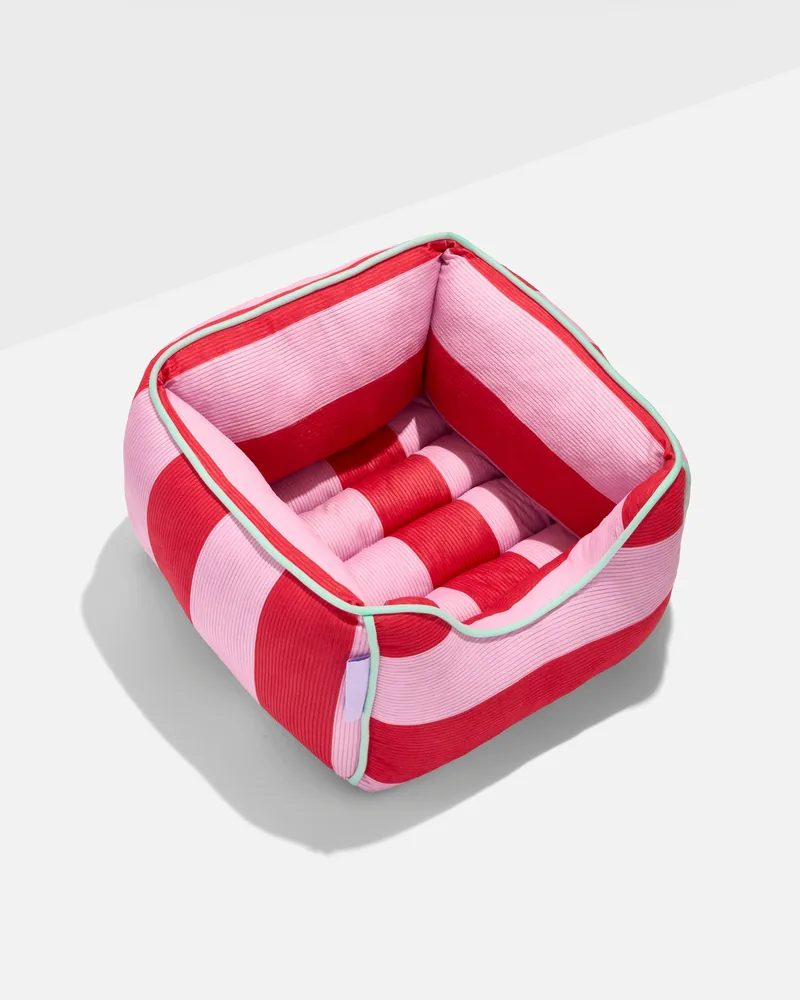 Wild OneCat Bolster Bed
flagged on this product's score page
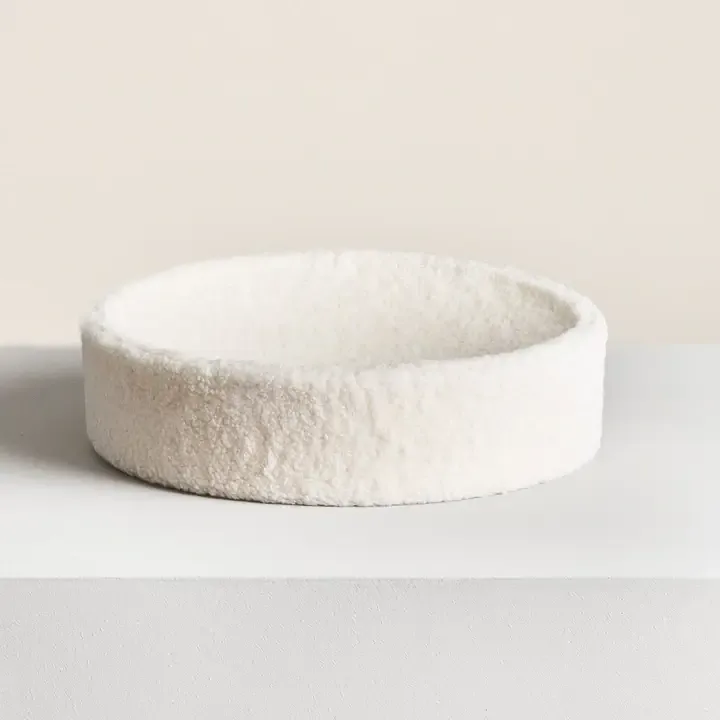 Tuft + PawKip Cat Bed
flagged on this product's score page
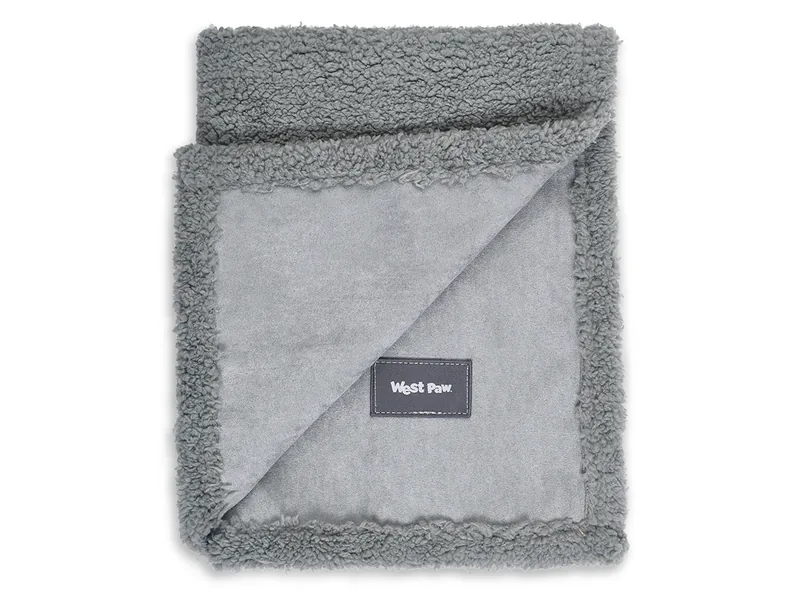 West PawBig Sky Dog Blanket
flagged on this product's score page
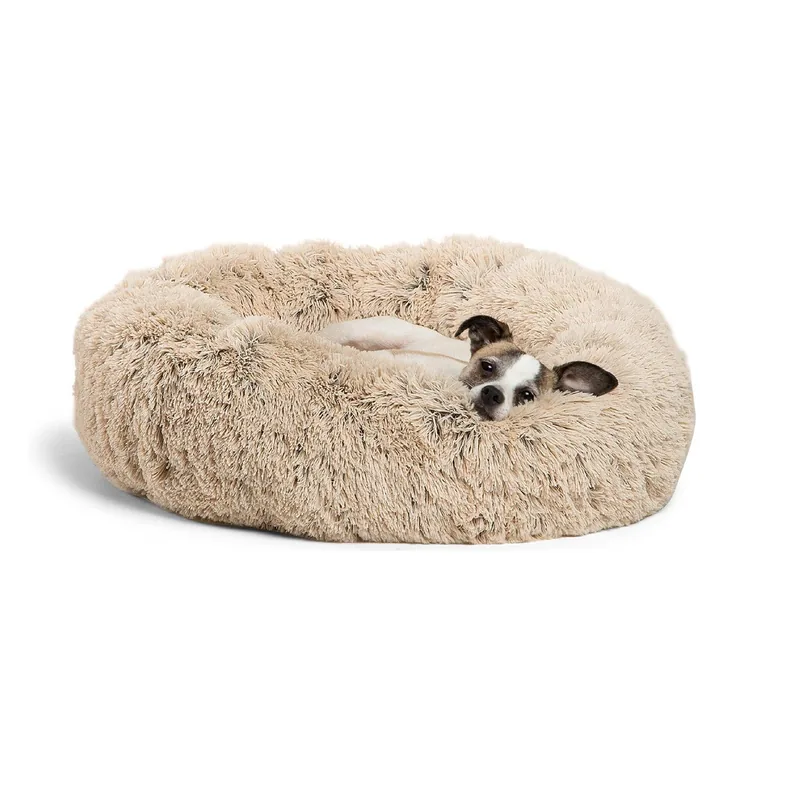 Best Friends by SheriThe Original Calming Donut Dog Bed, Shag Fur
flagged on this product's score page
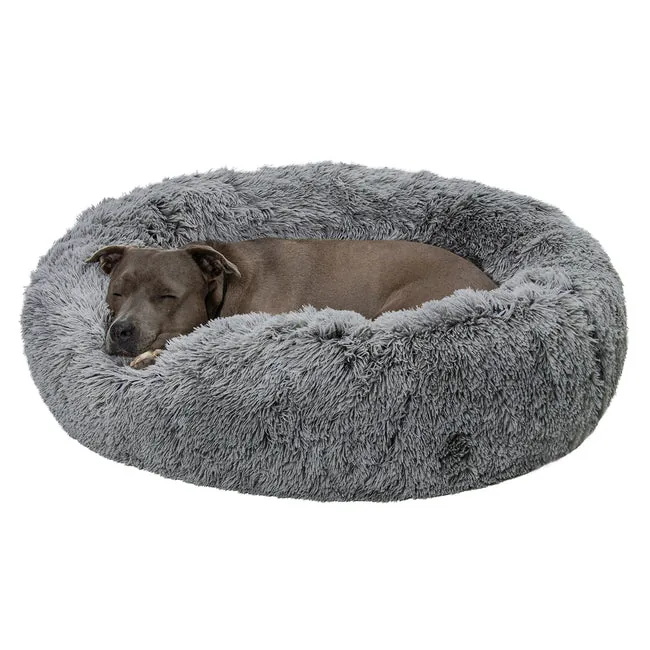 FurHavenCalming Cuddler Long Fur Donut Dog Bed
flagged on this product's score page
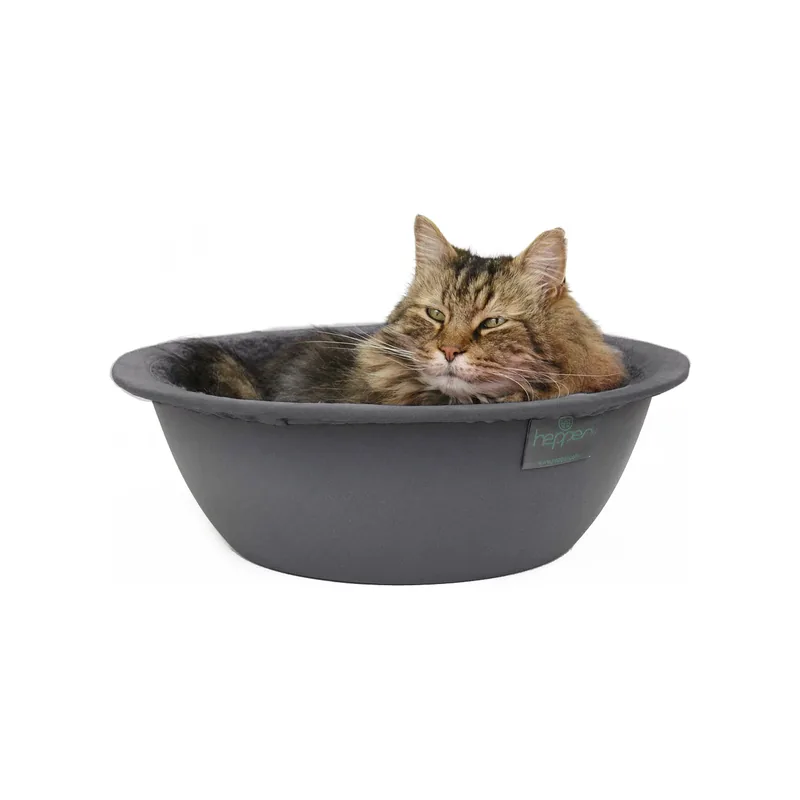 HepperNest Cat Bed
flagged on this product's score page
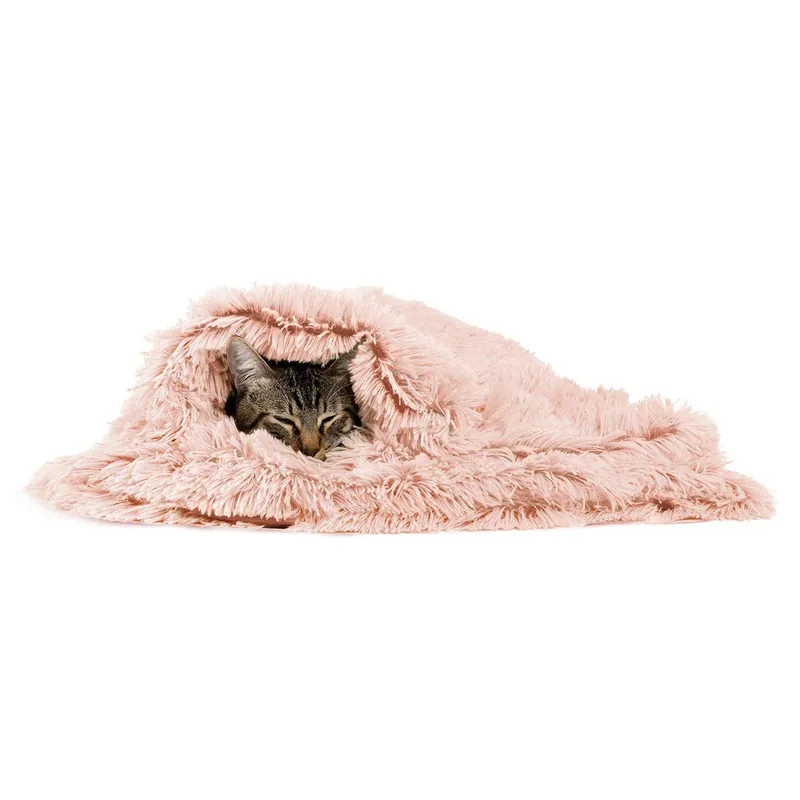 Best Friends by SheriCalming Pet Throw Blanket, Shag Fur
flagged on this product's score page
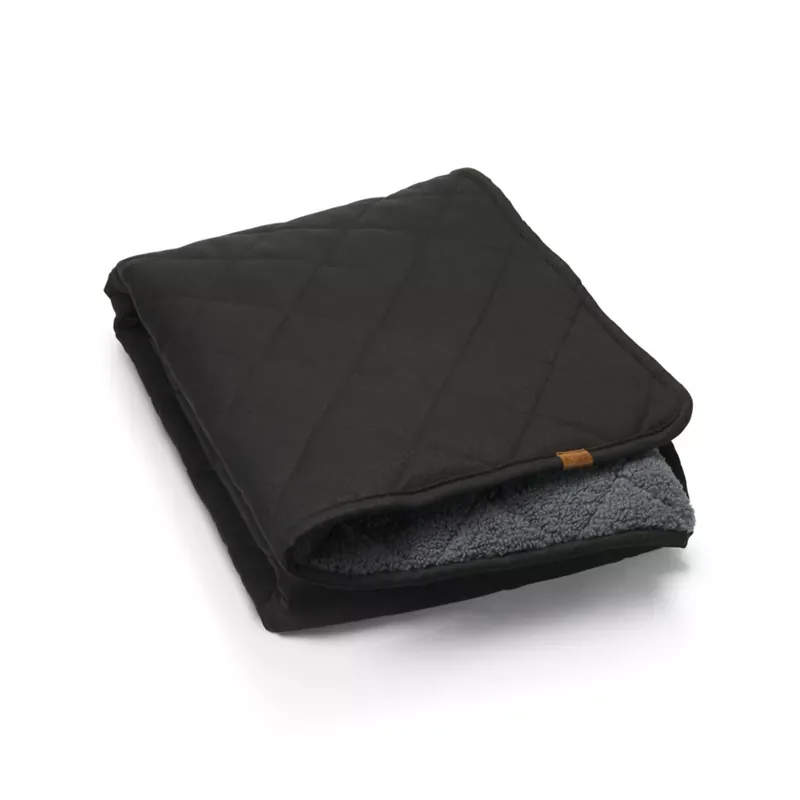 OrvisSherpa Fleece Dog Throw Blanket
flagged on this product's score page
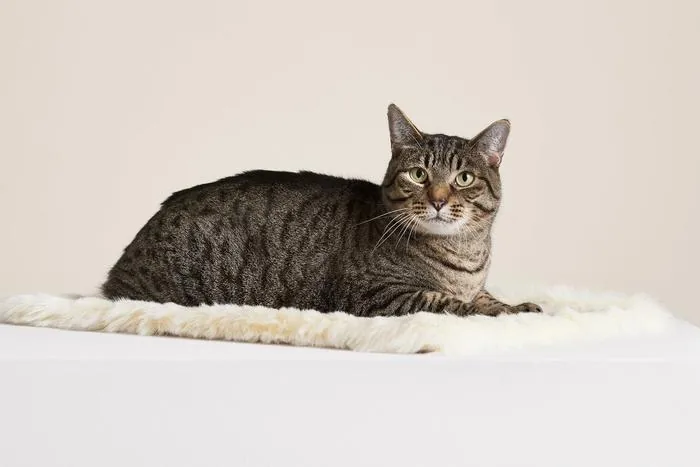 Tuft + PawFloof Cat Blanket
flagged on this product's score page
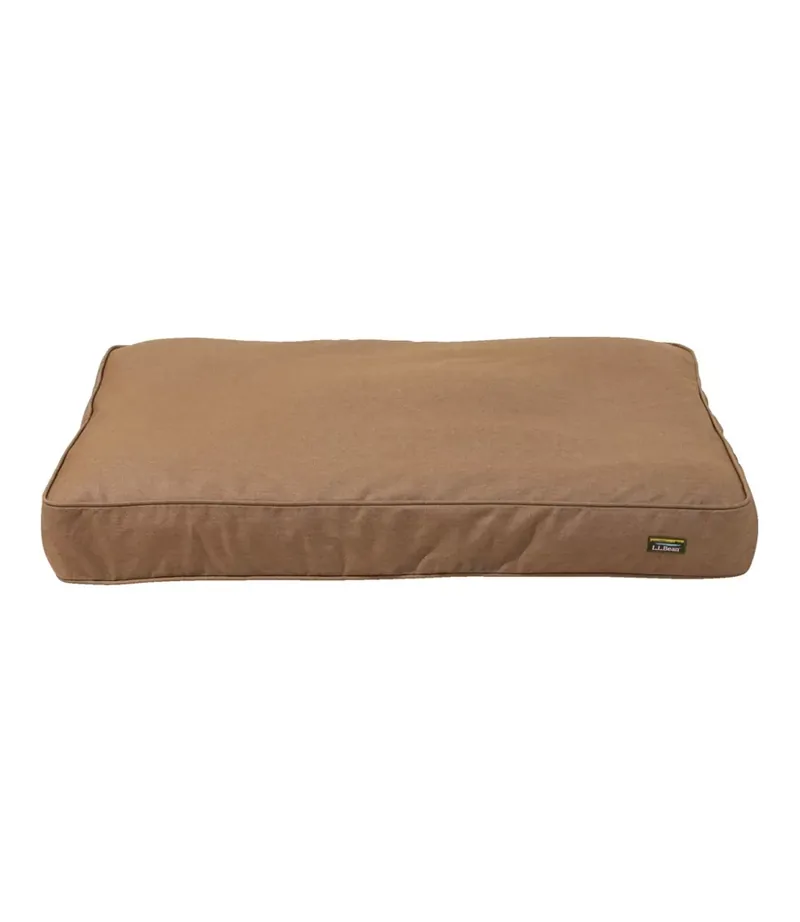 L.L.BeanPremium Denim Therapeutic Dog Bed, Rectangular
flagged on this product's score page
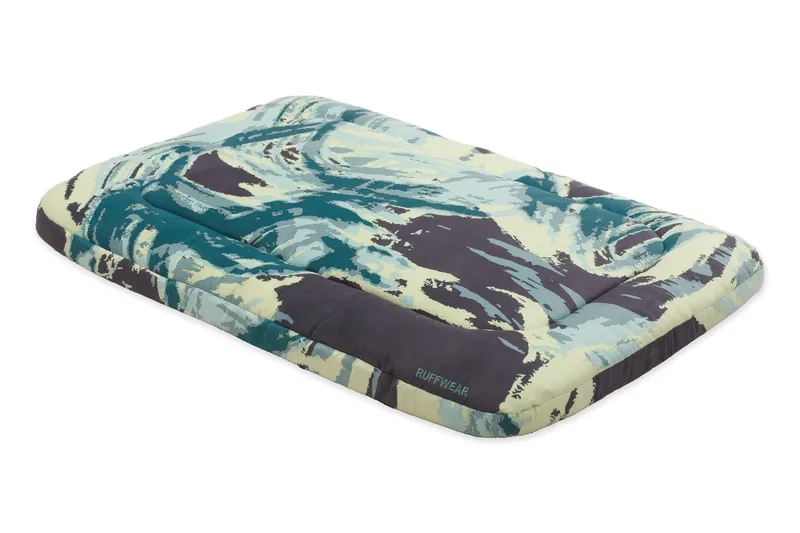 RuffwearBasecamp Bed
flagged on this product's score page
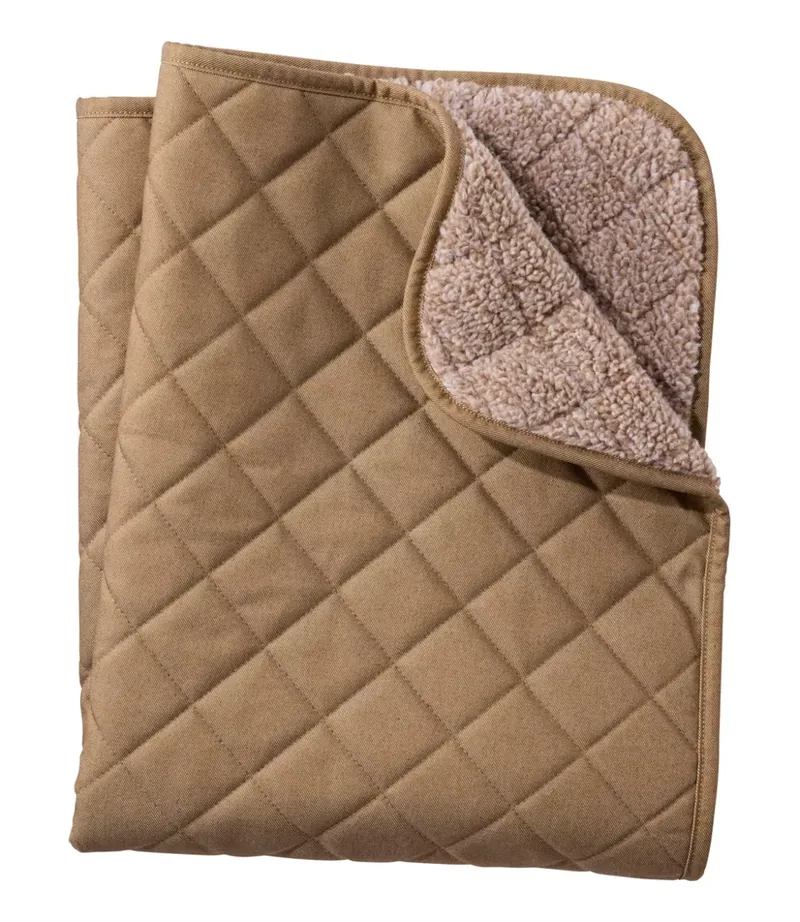 L.L.BeanRugged Quilted Dog Blanket
flagged on this product's score page
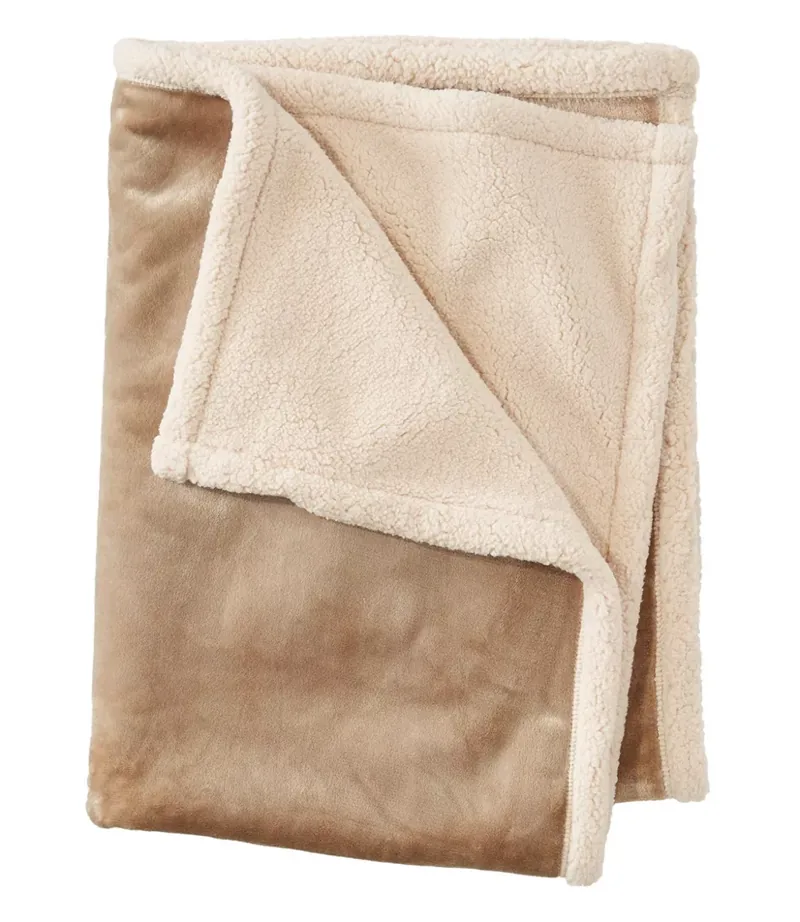 L.L.BeanFleece Dog Blanket
flagged on this product's score page