Propylene glycol
Also appears on labels as: PG
A synthetic humectant that holds moisture so semi-moist treats stay soft.
Watched ingredients get highlighted on every product panel you open.
- Where it comes from
- Petrochemical synthesis.
- Why it's in the product
- Texture. It exists so a treat feels soft in your hand.
- Safety and toxicity
- Prohibited in cat food by the FDA after studies showed it causes Heinz body changes in feline red blood cells. Still legal in dog products at low levels, and dogs tolerate it far better.
- Interactions and who should be careful
- Do not give dog treats containing it to a cat. Vegetable glycerin achieves the same texture with none of this history.
What the research says
The FDA prohibits propylene glycol in cat food after studies showed it causes Heinz body changes in feline red blood cells. It remains legal in dog products at low levels.
Dogs tolerate it far better than cats, but it's a purely textural ingredient. It exists so a treat feels soft in your hand. Plenty of treats achieve that with vegetable glycerin instead.
Placeholder Sources: Source citations for this entry will be linked here once the citations feed is connected. Until then, ask us for the reading list any time: [email protected].
General reference, not veterinary advice. Dose, breed, and existing conditions change the answer, so talk to your vet before changing what your pet eats. Think we got this wrong? Tell us and we log it publicly.
Found in 6 scored products
We flag it by name on 6 of them. Lowest scores first.
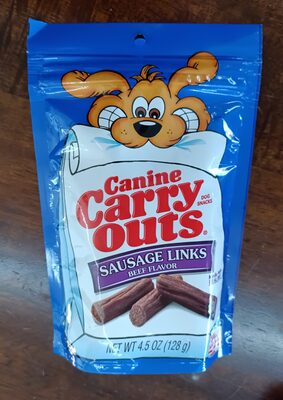 Canine Carry OutsSausage Links, Beef Flavorimported, not reviewed
flagged on this product's score page
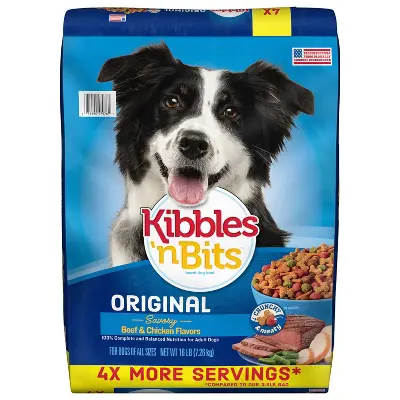 Kibbles 'n BitsOriginal Savory Beef & Chicken
flagged on this product's score page
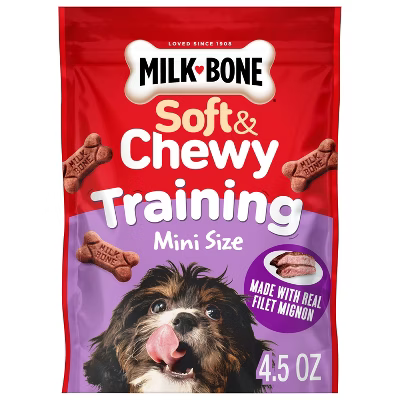 Milk-BoneSoft & Chewy Training Mini, Filet Mignon
flagged on this product's score page
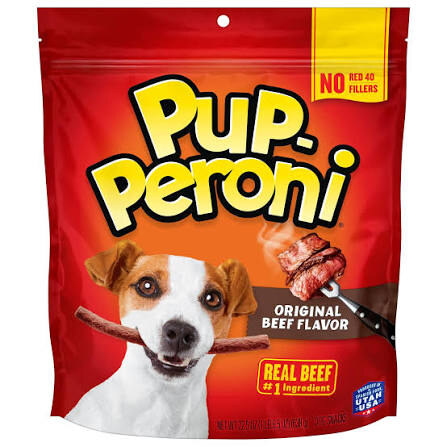 Pup-PeroniOriginal Beef Flavor
flagged on this product's score page
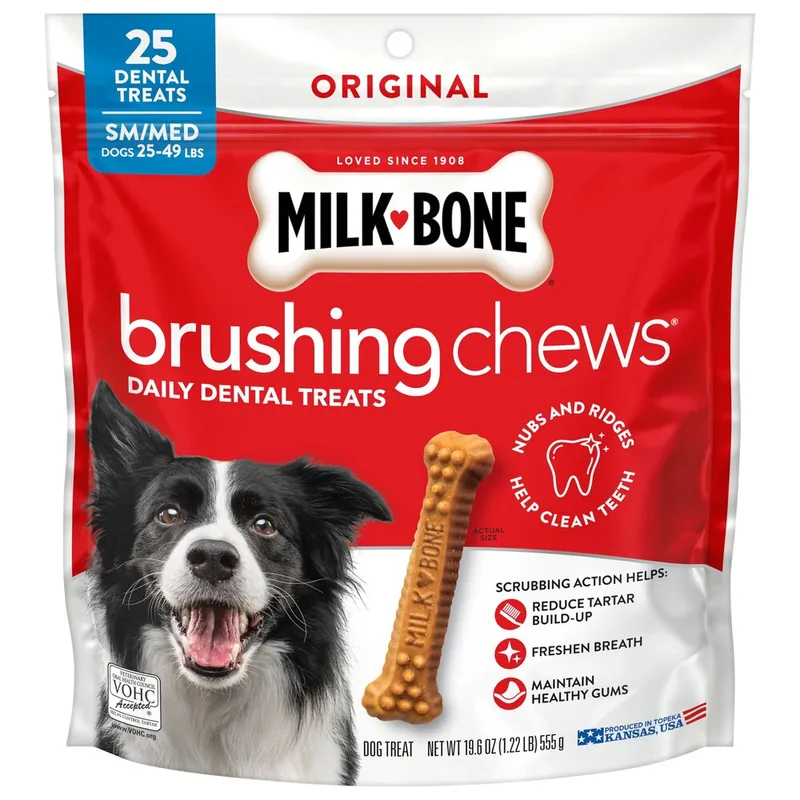 Milk-BoneBrushing Chews Daily Dental Treats, Small/Medium
flagged on this product's score page
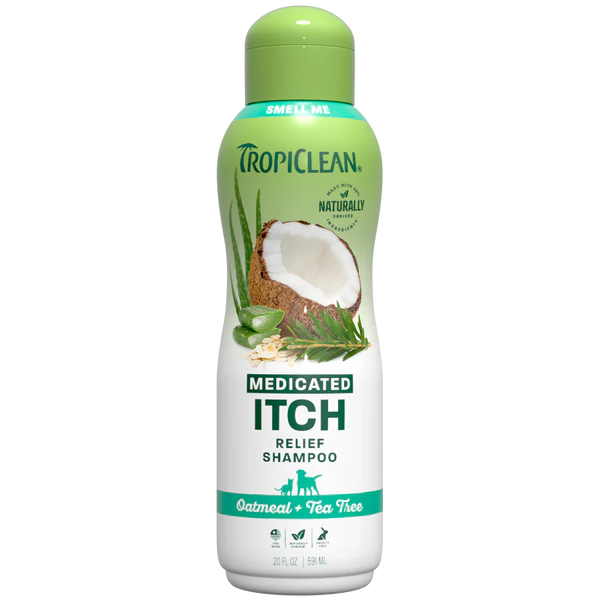 TropiCleanOatmeal & Tea Tree Medicated Shampoo
flagged on this product's score page