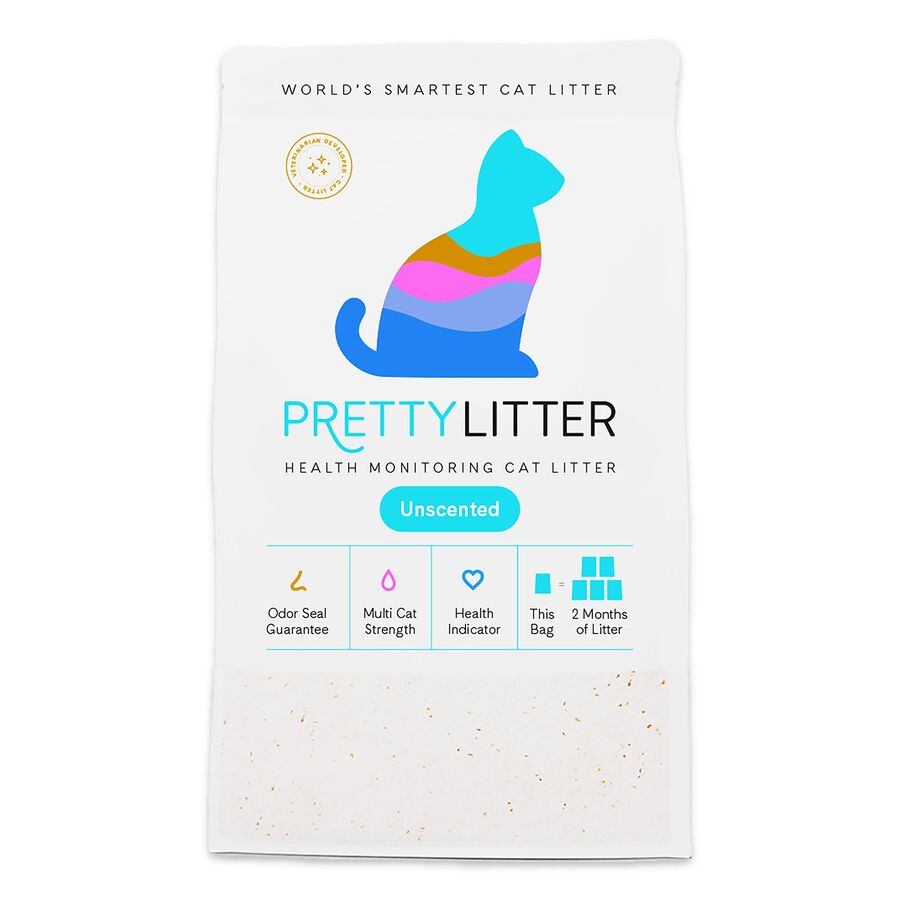
Clay litter dust
Also appears on labels as: clay litter dust
Sodium bentonite clay that swells and clumps on contact with liquid, or silica gel crystals that absorb it. Both throw fine dust.
Watched ingredients get highlighted on every product panel you open.
- Where it comes from
- Strip-mined clay, or synthesized silica gel.
- Why it's in the product
- Clumping and odor control. Bentonite is the reason scoopable litter works at all.
- Safety and toxicity
- Crystalline silica is a recognized inhalation hazard at industrial exposure levels. Litter-box exposure is far smaller but it is daily, at nose height, in an enclosed dig-and-scratch situation, and it affects the human scooping too. Amorphous silica gel is a different and less hazardous form than crystalline silica.
- Interactions and who should be careful
- Weighted higher for households with asthmatic cats or humans. Low-dust clay, pine, paper, and walnut litters all cut the exposure. Swallowing clumping clay is a real but uncommon obstruction risk in kittens who eat their litter.
What the research says
Crystalline silica is a recognized occupational inhalation hazard at industrial exposure levels. Litter-box exposure is far smaller, but it's daily, at nose height, in an enclosed scratch-and-dig situation, and it affects the humans scooping, too.
Low-dust clay, pine, paper, and walnut litters all cut the exposure. We flag standard clay litters as a caution, weighted higher for households with asthmatic cats or humans.
Placeholder Sources: Source citations for this entry will be linked here once the citations feed is connected. Until then, ask us for the reading list any time: [email protected].
General reference, not veterinary advice. Dose, breed, and existing conditions change the answer, so talk to your vet before changing what your pet eats. Think we got this wrong? Tell us and we log it publicly.
Found in 7 scored products
We flag it by name on 6 of them. Lowest scores first.
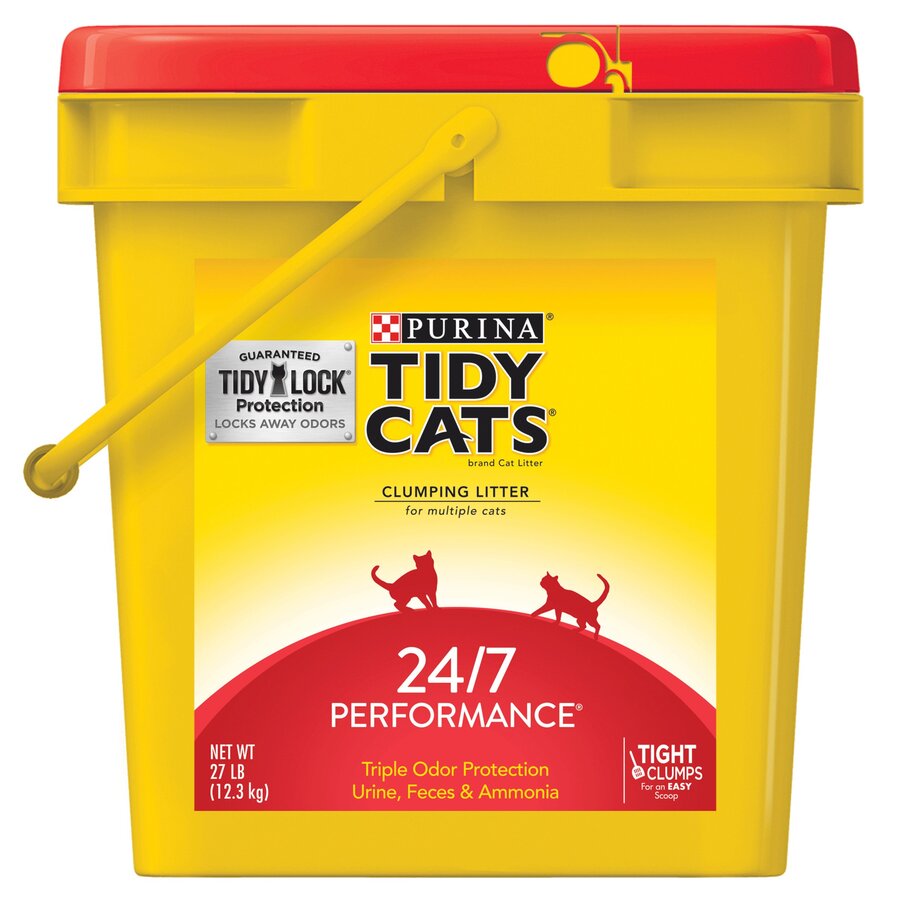 Tidy Cats24/7 Performance Clumping Clay Litter
flagged on this product's score page
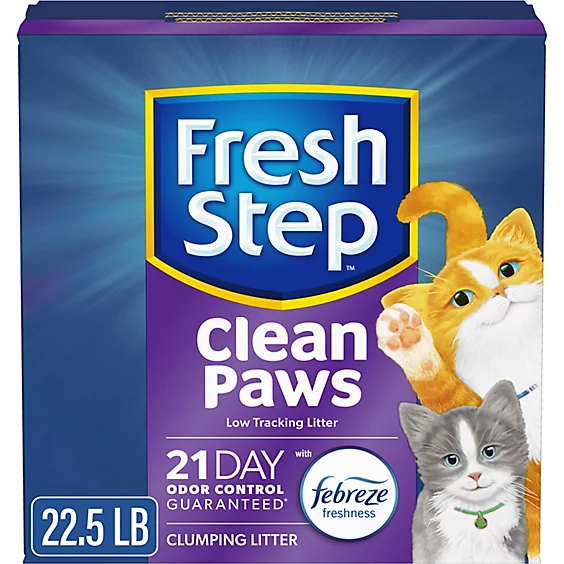 Fresh StepClean Paws Clumping Clay Litter with Febreze
flagged on this product's score page
flagged on this product's score page
flagged on this product's score page
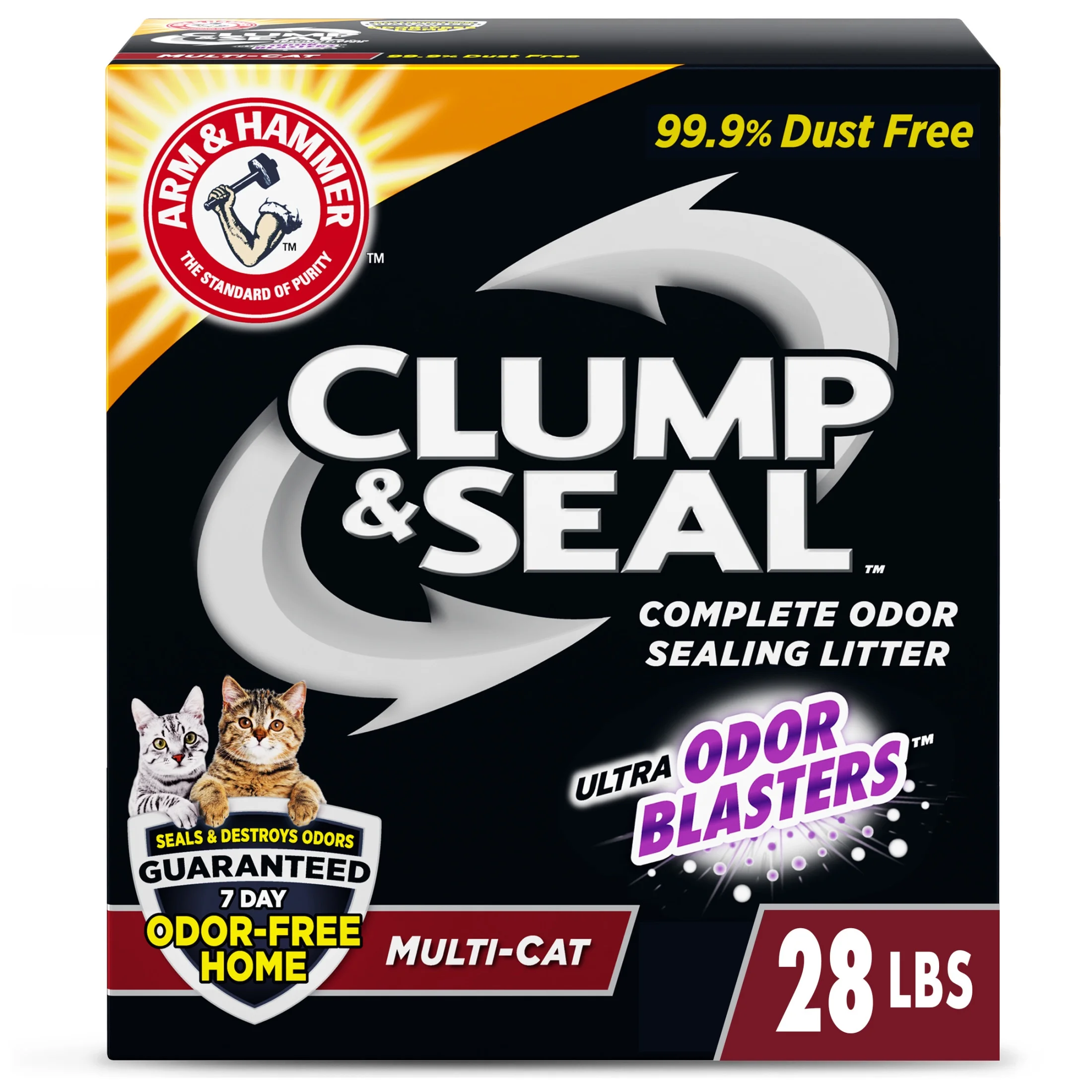 Arm & HammerClump & Seal Multi-Cat Clay Litter
flagged on this product's score page
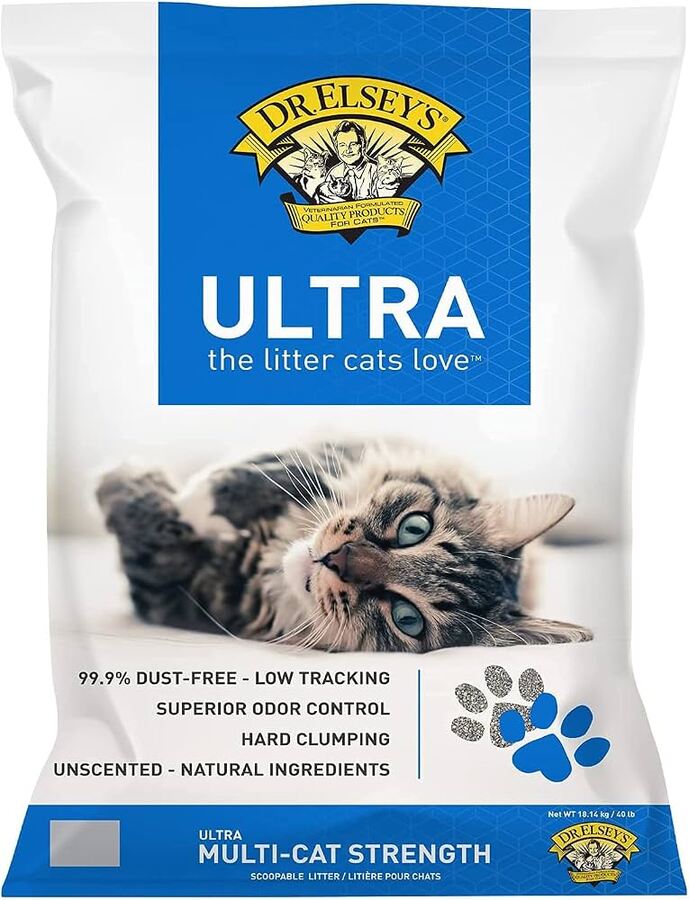 Dr. Elsey'sUltra Unscented Clumping Clay Litter
flagged on this product's score page