Chicken
Also appears on labels as: deboned chicken, chicken thigh, chicken breast, chicken (boneless, skinless breast), chicken necks, boneless skinless chicken breast
Clean flesh and skin from slaughtered chickens, with or without the bone, weighed wet before cooking.
Watched ingredients get highlighted on every product panel you open. Watching this one also flags chicken by-product meal, chicken fat, chicken liver, chicken meal, and poultry (species not named), which come from the same source.
- Where it comes from
- Poultry processing plants, usually the parts left after human-grade cuts are taken. Named on the label means the species is verified, which is the whole point of the word.
- Why it's in the product
- Primary protein and amino acid source. In dry food it also carries fat and flavor that survive extrusion.
- Safety and toxicity
- No safety concern for the overwhelming majority of pets. Raw or undercooked chicken carries a salmonella risk, but cooked kibble and canned food are heat-treated well past that point.
- Interactions and who should be careful
- Chicken is one of the most common food allergens reported in dogs and cats, mostly because it is the most commonly fed protein. If your pet has a diagnosed poultry sensitivity this is the line to avoid.
General reference, not veterinary advice. Dose, breed, and existing conditions change the answer, so talk to your vet before changing what your pet eats. Think we got this wrong? Tell us and we log it publicly.
Found in 277 scored products
Lowest scores first. Its presence here is not what drove those scores.
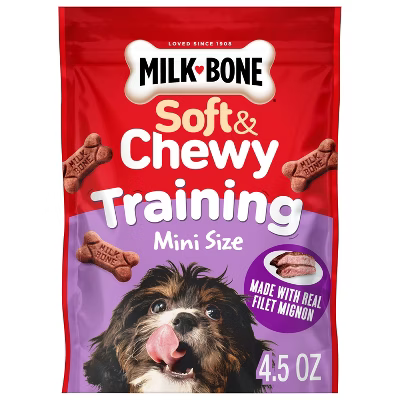
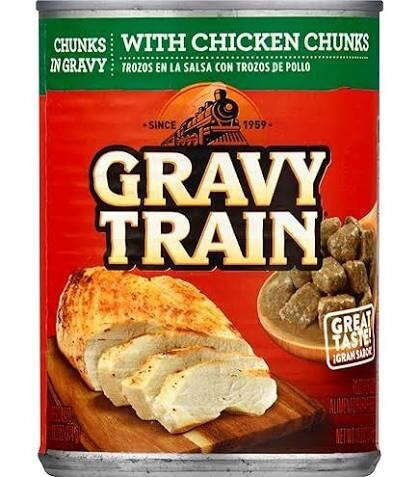
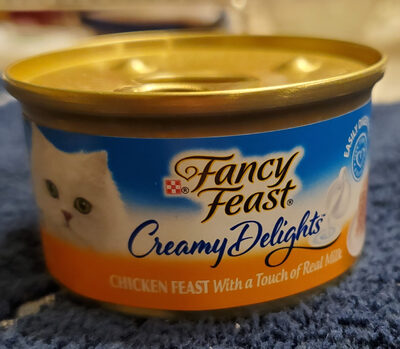
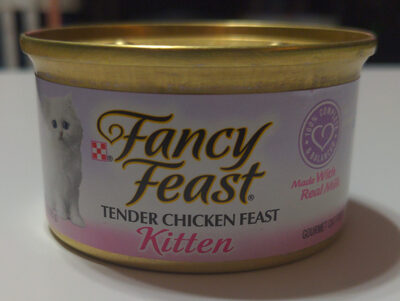
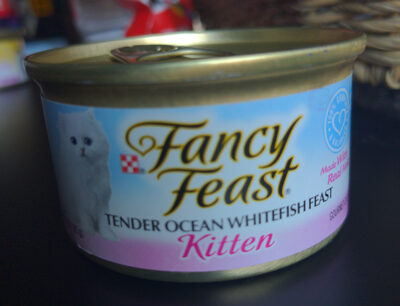
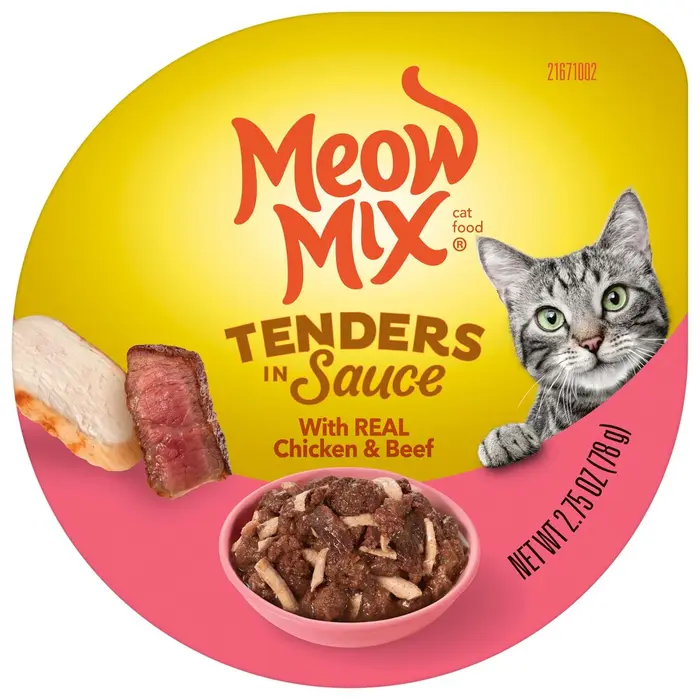
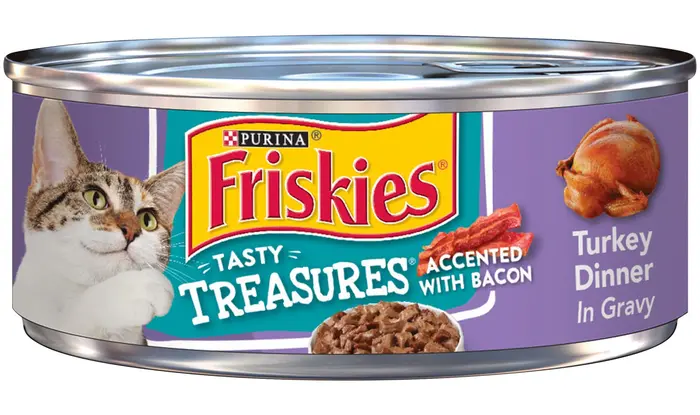
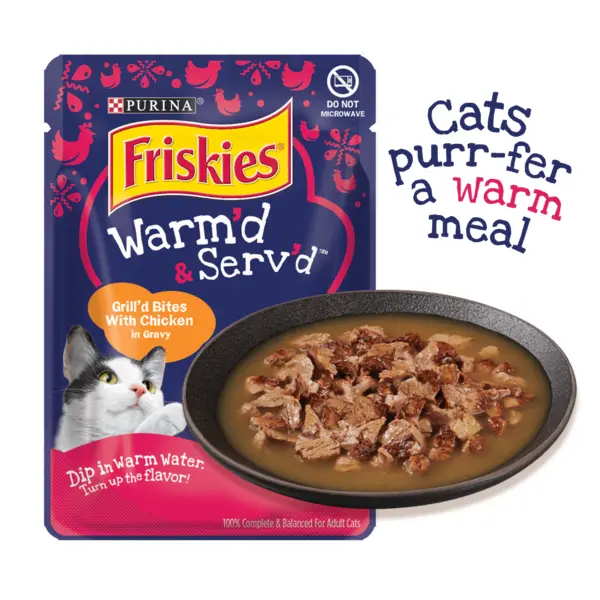
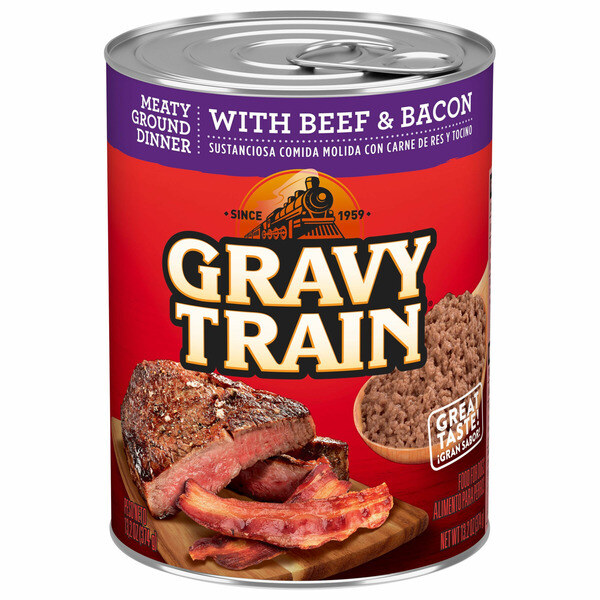
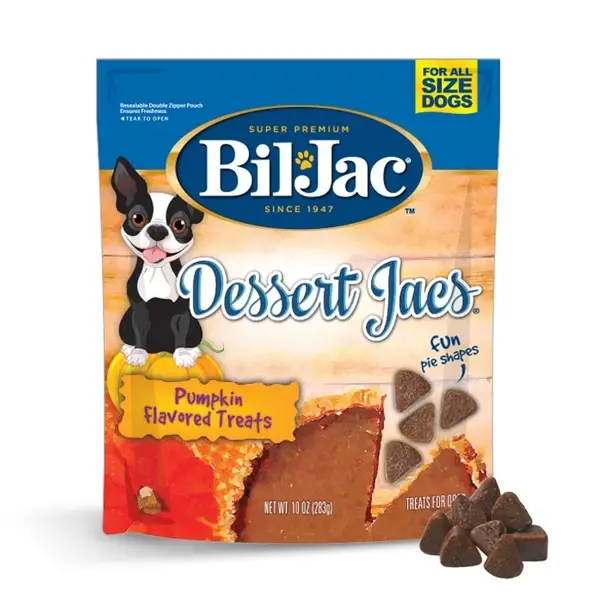
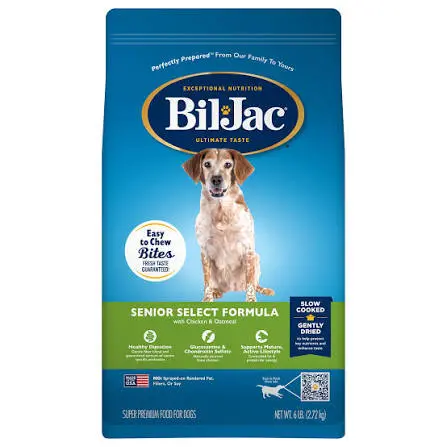
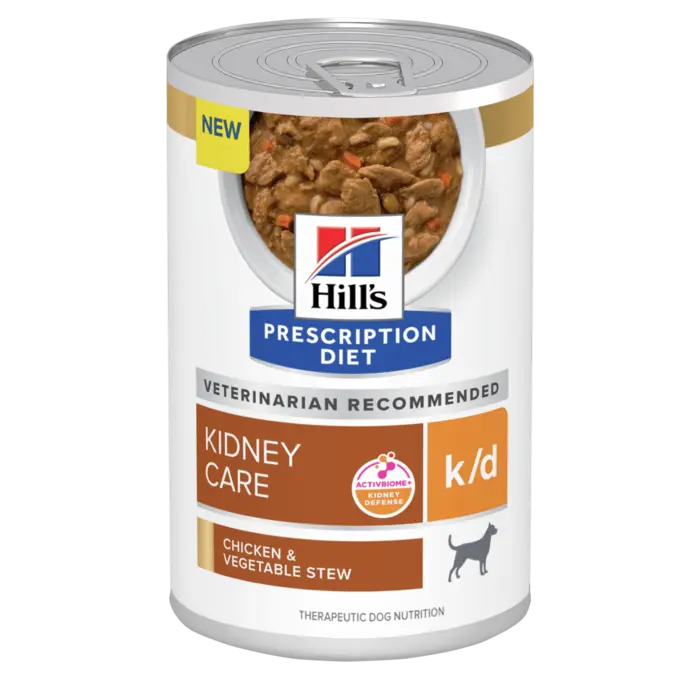
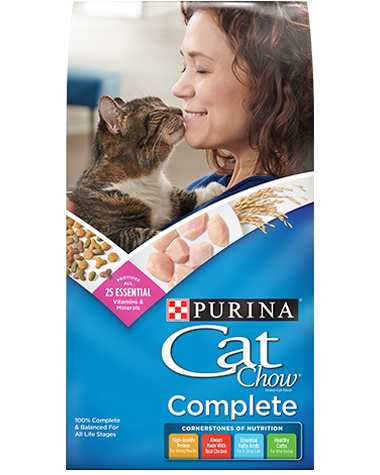
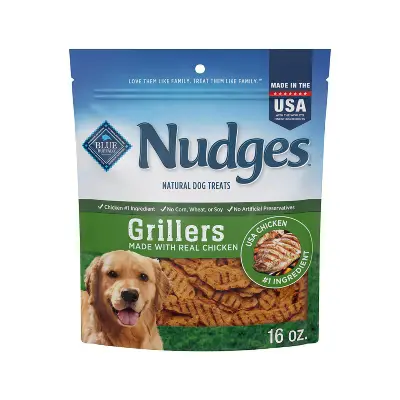
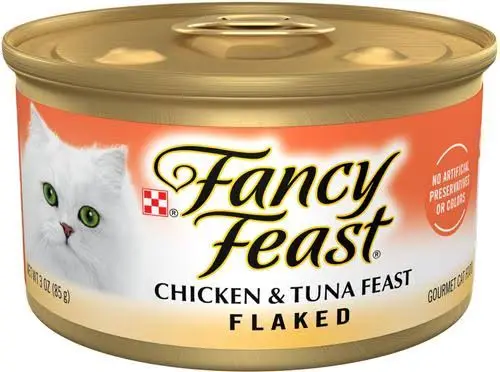
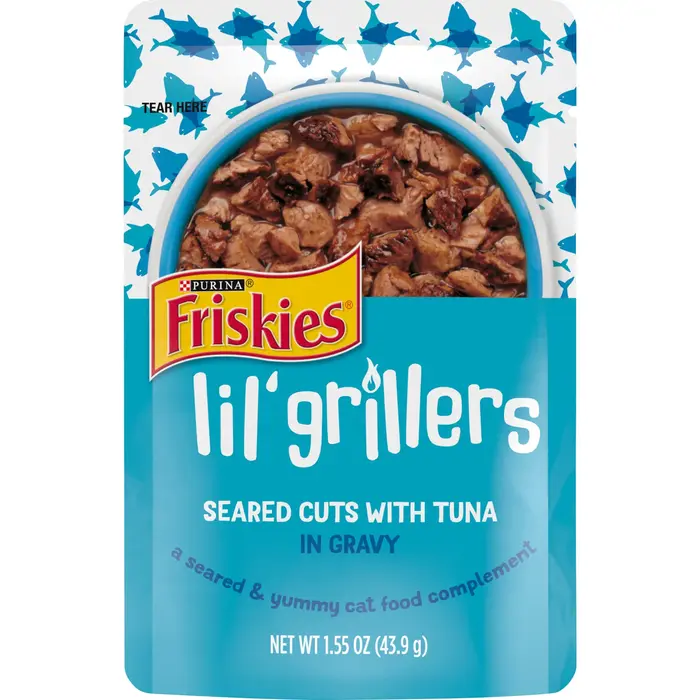
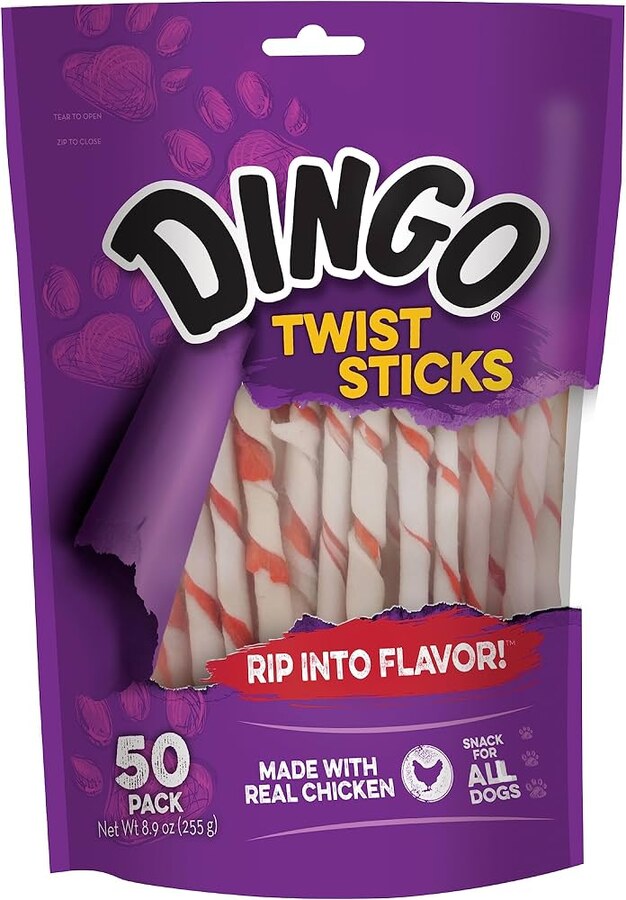
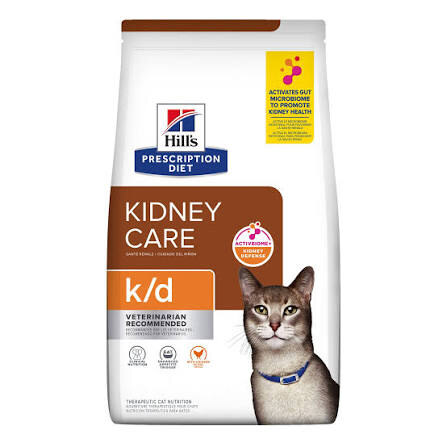
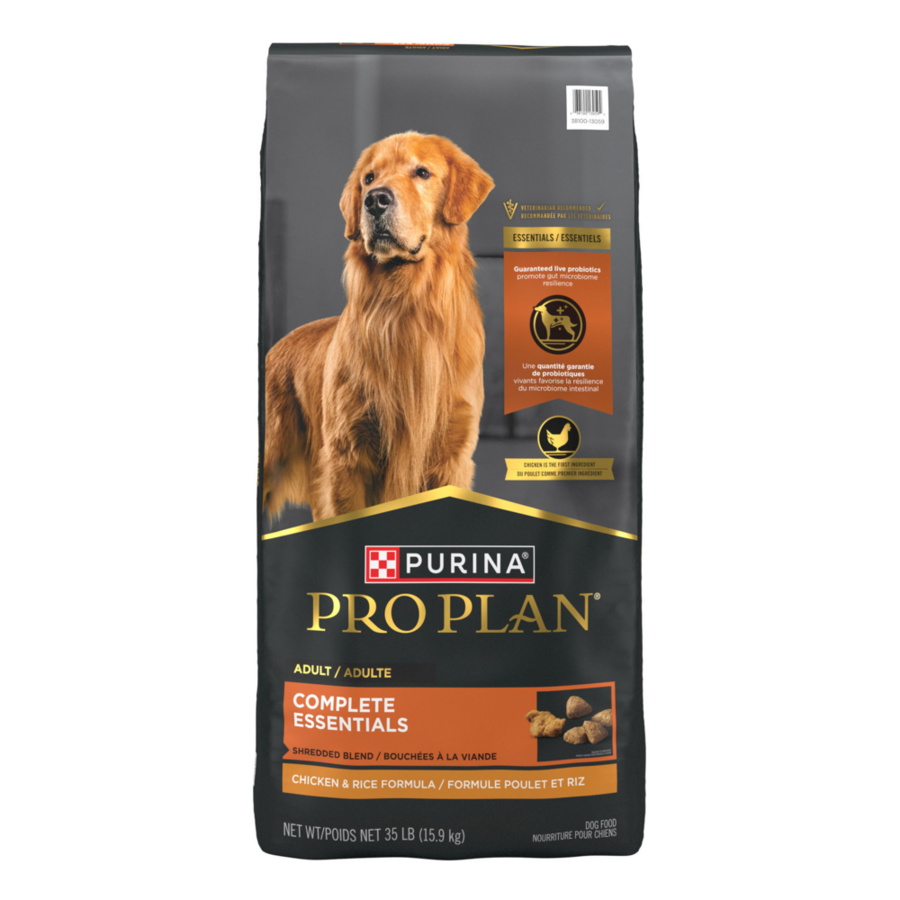
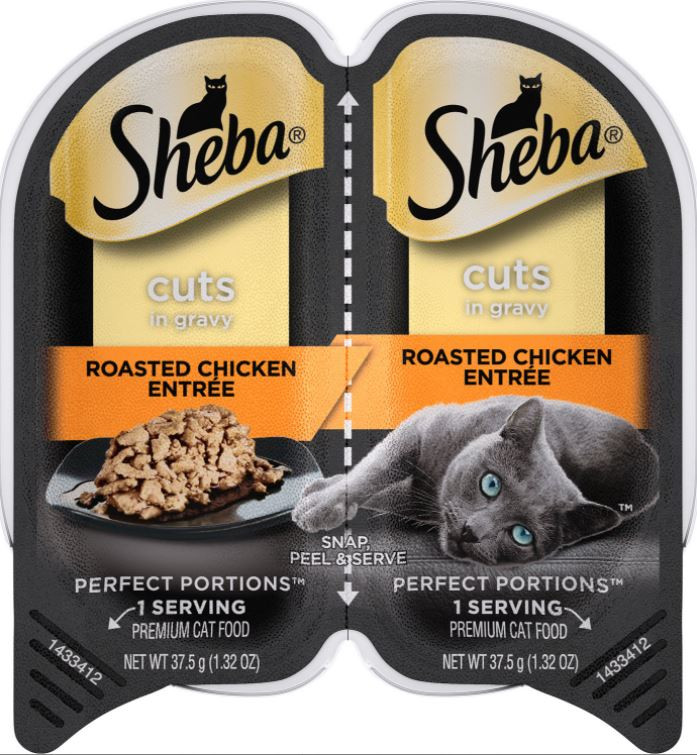
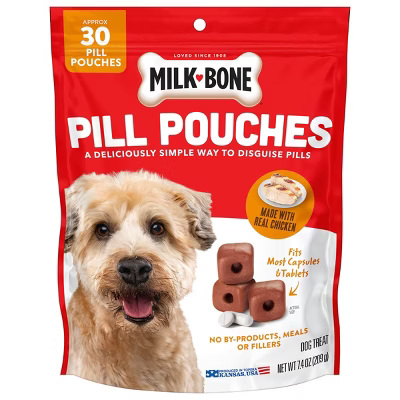
253 more scored products list this ingredient. Showing the 24 lowest-scoring.