Chamomile
Also appears on labels as: chamomile, chamomile extract, chamomile flower, german chamomile, chamomilla recutita (matricaria) flower extract, chamomilla recutita flower extract
Dried flowers of chamomile, a daisy-family herb, or an extract of them.
Watched ingredients get highlighted on every product panel you open.
- Where it comes from
- Grown and dried.
- Why it's in the product
- Added to chews and foods sold for calming, and to grooming products for its scent and feel.
- Safety and toxicity
- ASPCA's poison control lists chamomile as toxic to dogs and cats: vomiting, diarrhea and skin reactions, and bleeding tendencies with long use. The listing names Roman chamomile (Anthemis nobilis) and gives bisabolol and chamazulene among its toxic principles. Both are also in German chamomile (Matricaria), the species Oxyfresh's toothpaste names and the one most often used in supplements: they are among the main parts of the oil in its flowers, and standardized chamomile teas and extracts are made from its dried flowers (Srivastava and colleagues, Molecular Medicine Reports, 2010). We flag it in what a pet eats or swallows; in a shampoo or a wipe it reads as a botanical extract.
General reference, not veterinary advice. Dose, breed, and existing conditions change the answer, so talk to your vet before changing what your pet eats. Think we got this wrong? Tell us and we log it publicly.
Found in 7 scored products
We flag it by name on 7 of them. Lowest scores first.
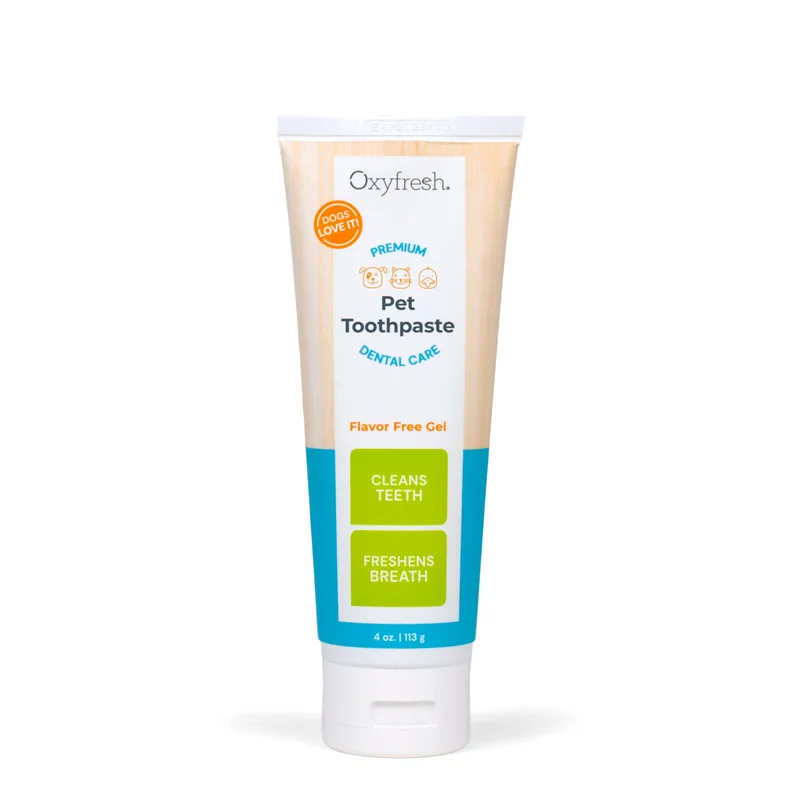 OxyfreshPremium Pet Toothpaste
flagged on this product's score page
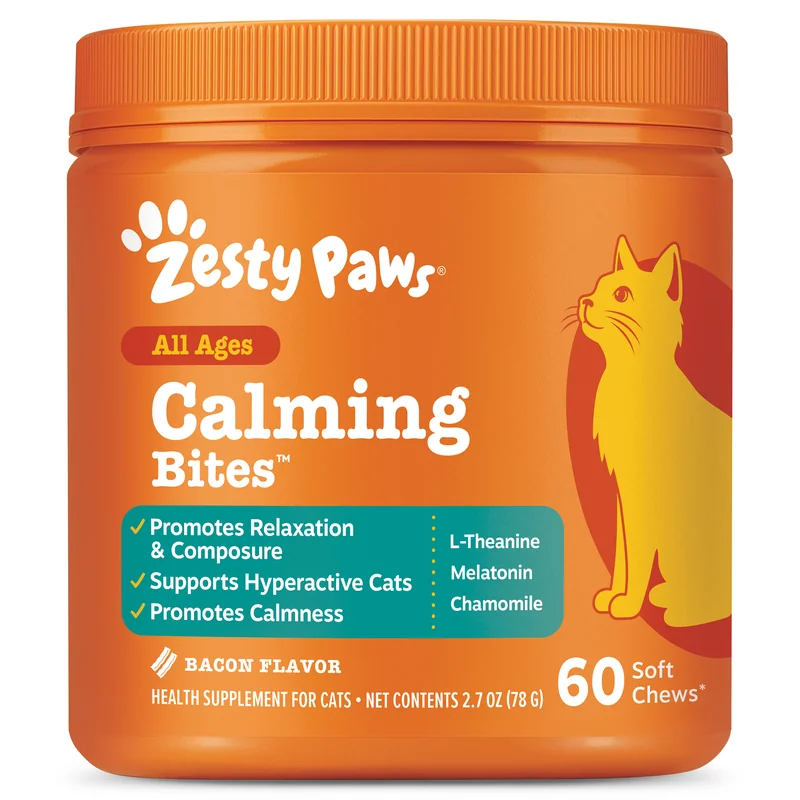 Zesty PawsCalming Bites for Cats
flagged on this product's score page
 Natural BalanceTargeted Nutrition Zen Life Canned Dog Foodimported, not reviewed
flagged on this product's score page
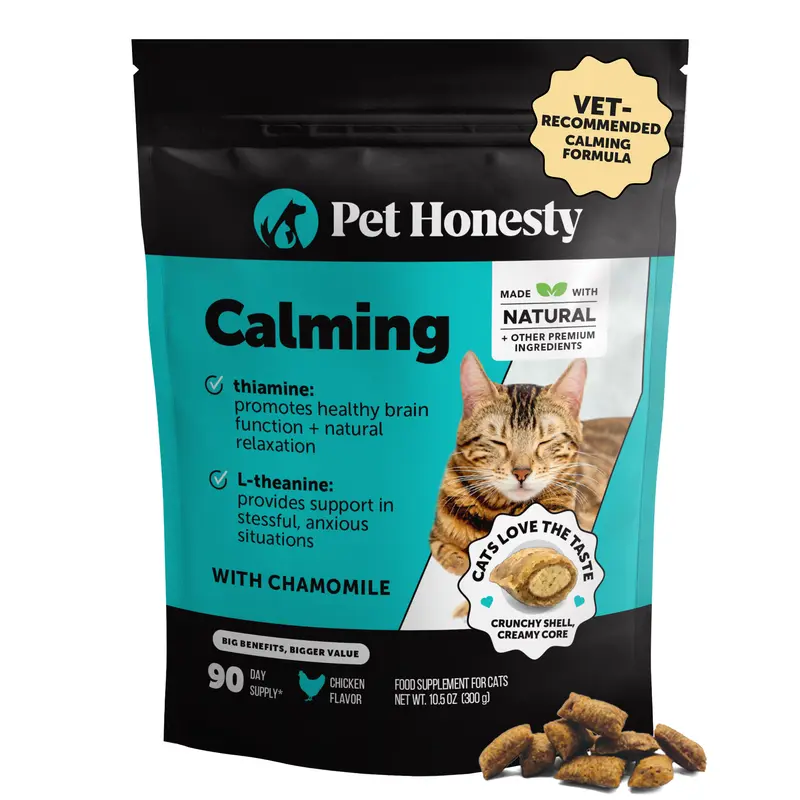 Pet HonestyDual Texture Calming Supplement for Cats (Chicken Flavor)
flagged on this product's score page
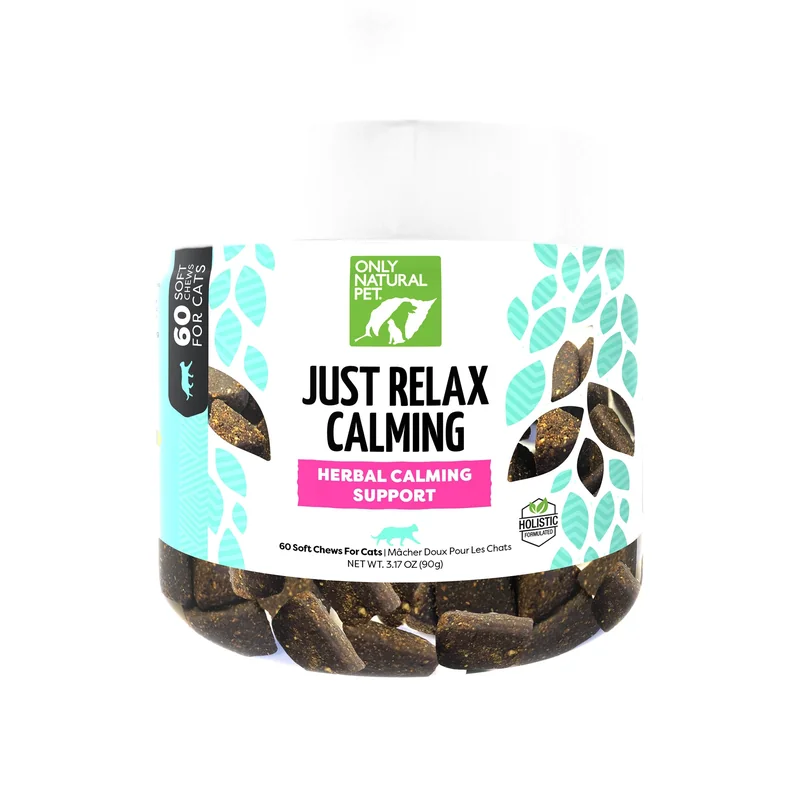 Only Natural PetJust Relax Herbal Calming Support Soft Chews for Cats
flagged on this product's score page
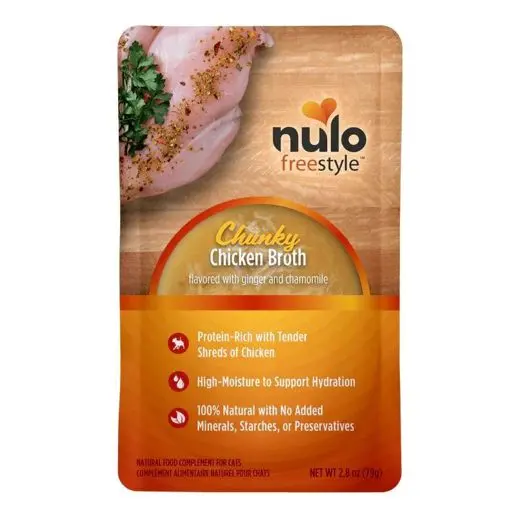 NuloFreeStyle Chunky Chicken Brothimported, not reviewed
flagged on this product's score page
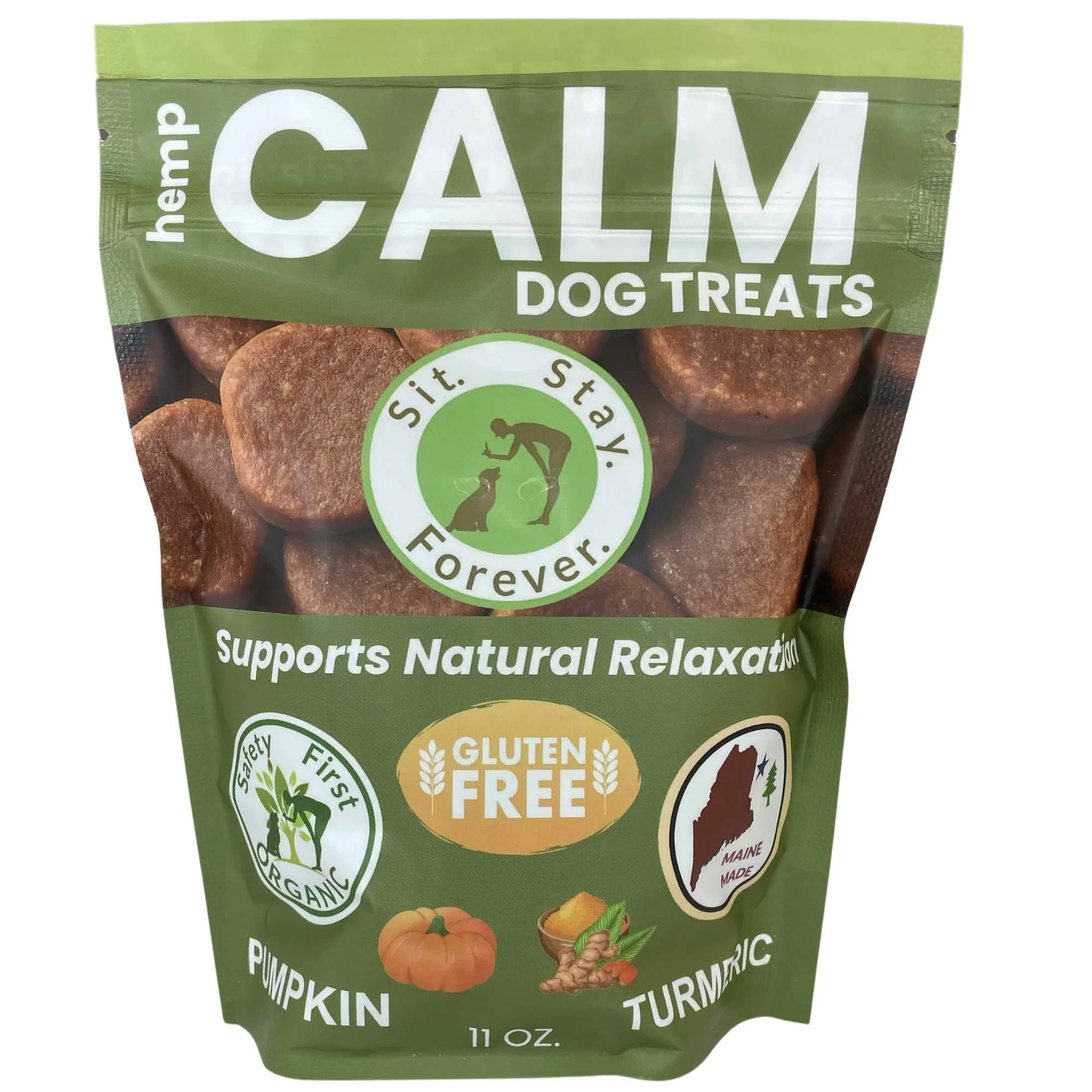 Sit. Stay. Forever.Hemp Calm Dog Treats, Pumpkin & Turmeric
flagged on this product's score page