Cleansing surfactants
Also appears on labels as: sodium lauryl sulfoacetate, sodium laureth sulfate, sodium coco-sulfate, coco-glucoside, cocamidopropyl betaine, cocamidopropyl hydroxysultaine
Molecules with a water-loving end and an oil-loving end. They lift grease and dirt so it can rinse or wipe away.
Watched ingredients get highlighted on every product panel you open.
- Where it comes from
- Mostly coconut and palm oil derivatives, chemically modified.
- Why it's in the product
- The part of a shampoo or a cleaner that actually cleans.
- Safety and toxicity
- A wide gentleness range. Glucosides and betaines are mild; sulfates clean harder and strip more oil, which matters for a dog with dry or irritated skin. Sodium lauryl sulfate has a reputation as a toxin that is not supported. It is an irritant at concentration, not a poison. Cocamidopropyl betaine is a known contact allergen in a minority of individuals.
- Interactions and who should be careful
- Human shampoo is the real hazard here, not any of these ingredients. Dog skin has a different pH, and human product used regularly disrupts the barrier.
General reference, not veterinary advice. Dose, breed, and existing conditions change the answer, so talk to your vet before changing what your pet eats. Think we got this wrong? Tell us and we log it publicly.
Found in 46 scored products
Lowest scores first. Its presence here is not what drove those scores.
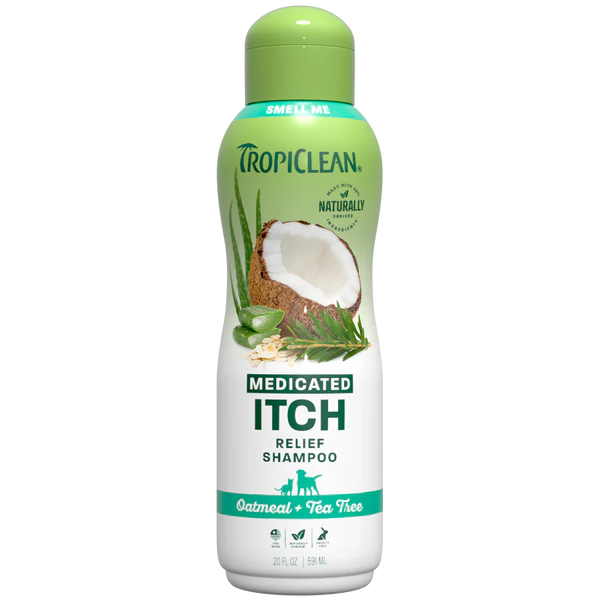
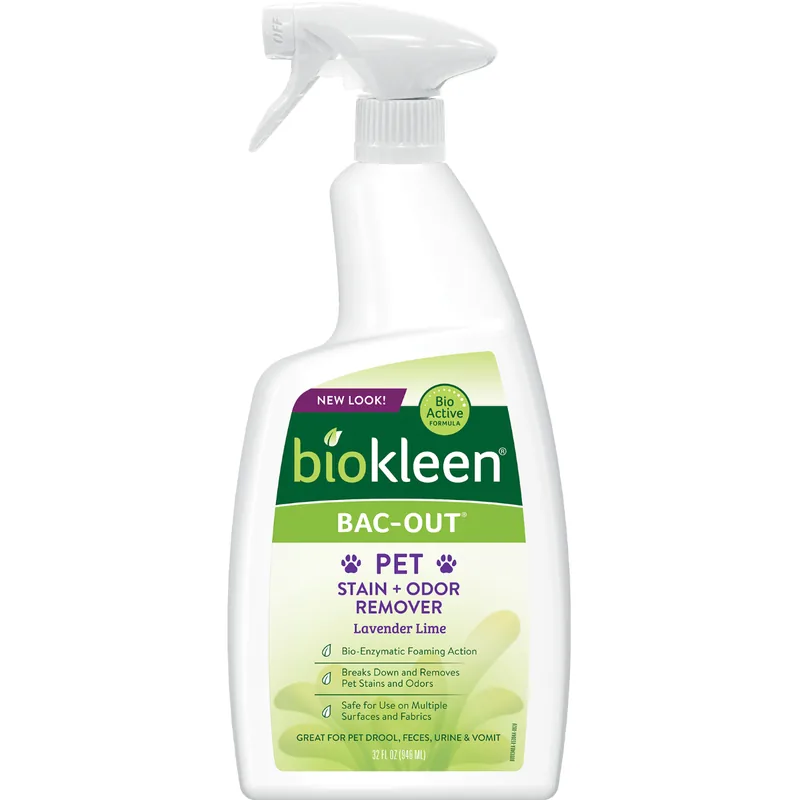
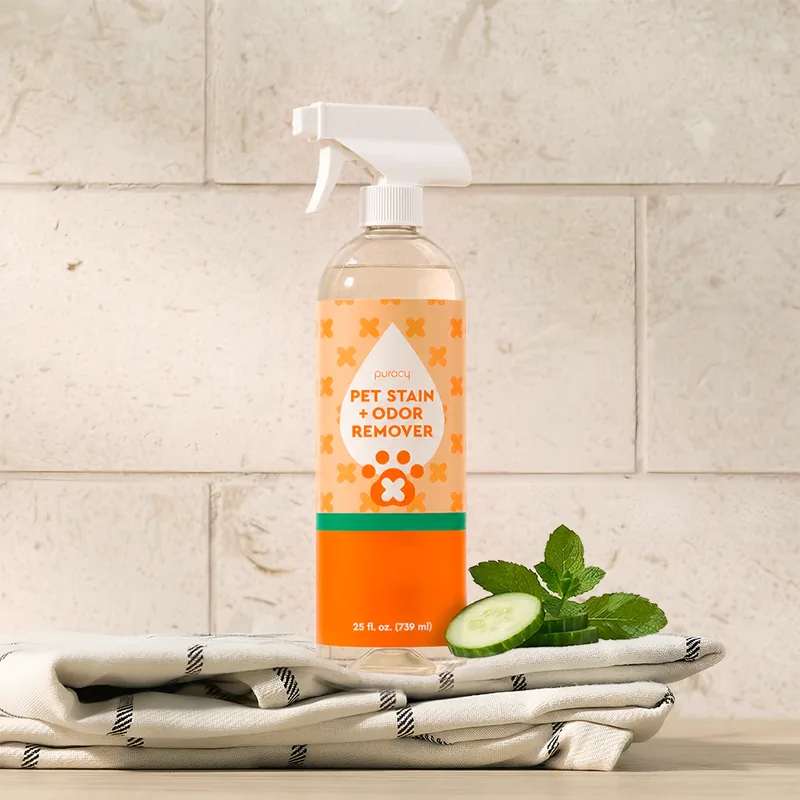
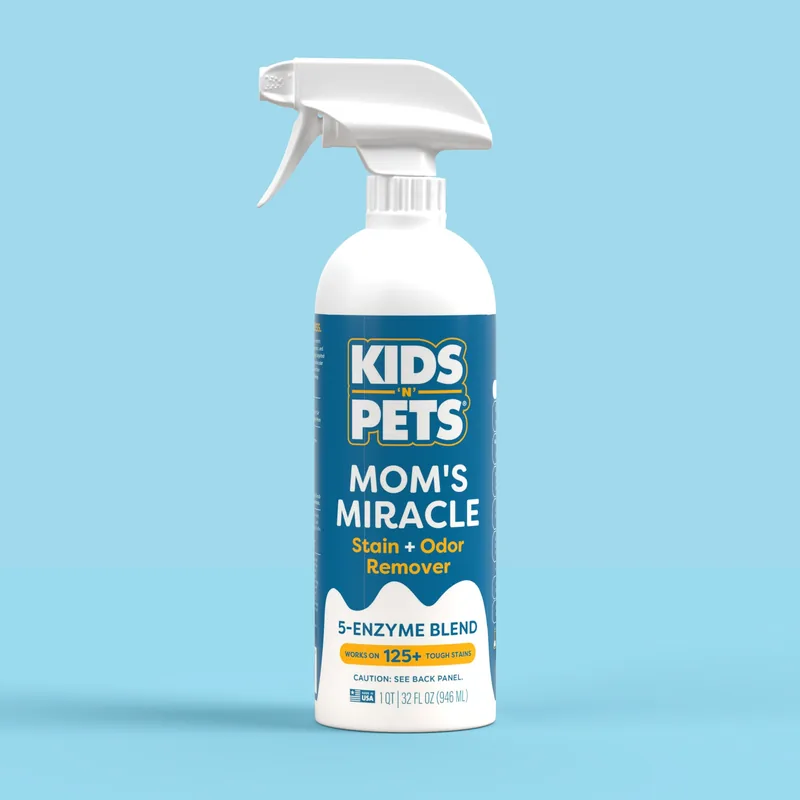
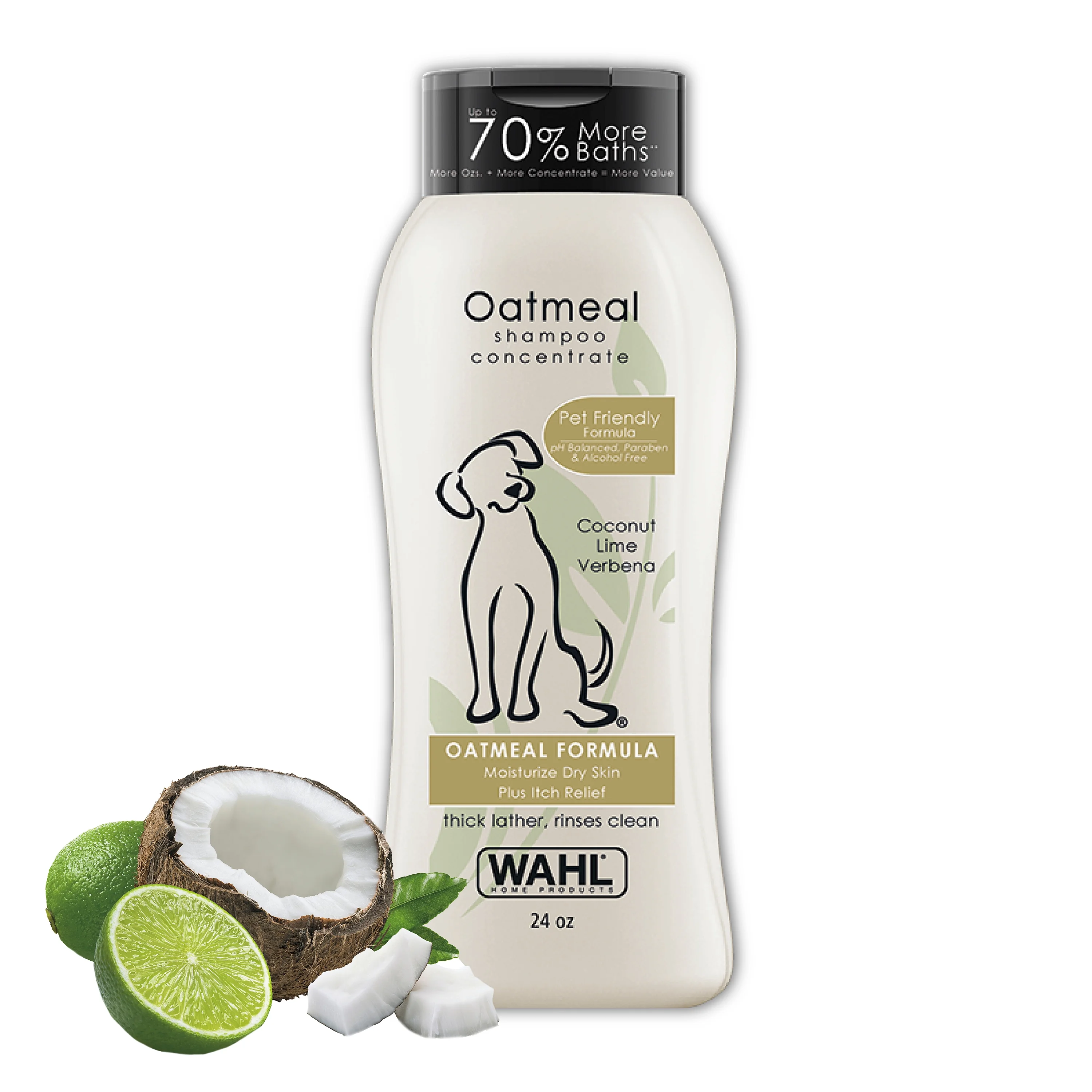
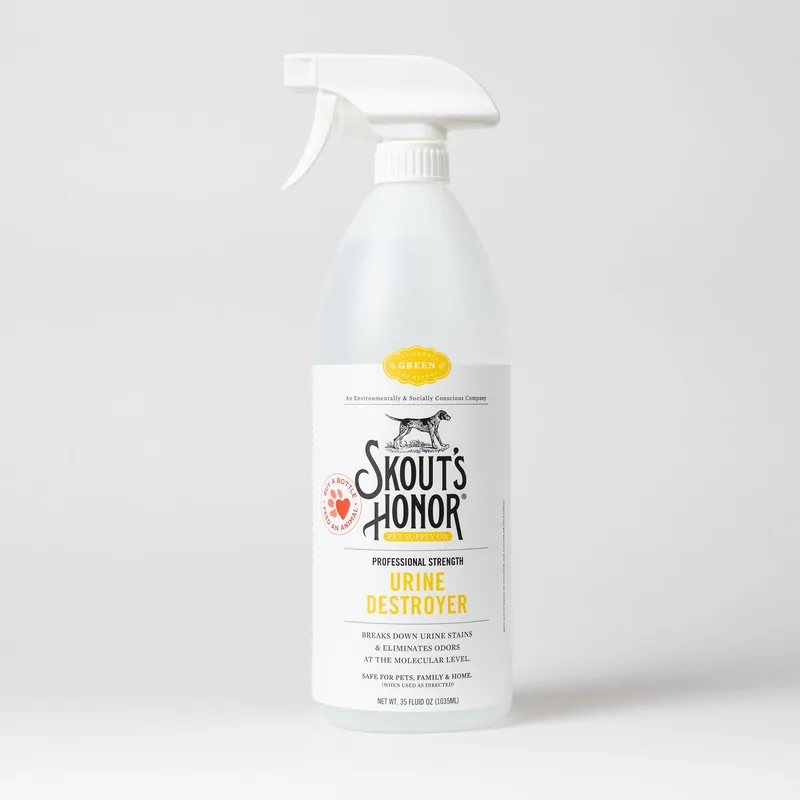
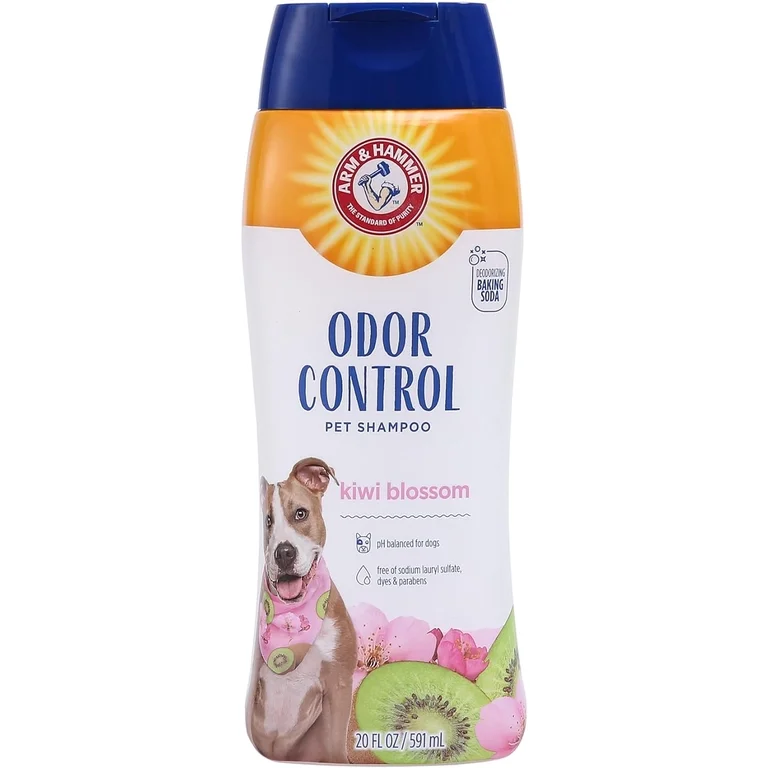
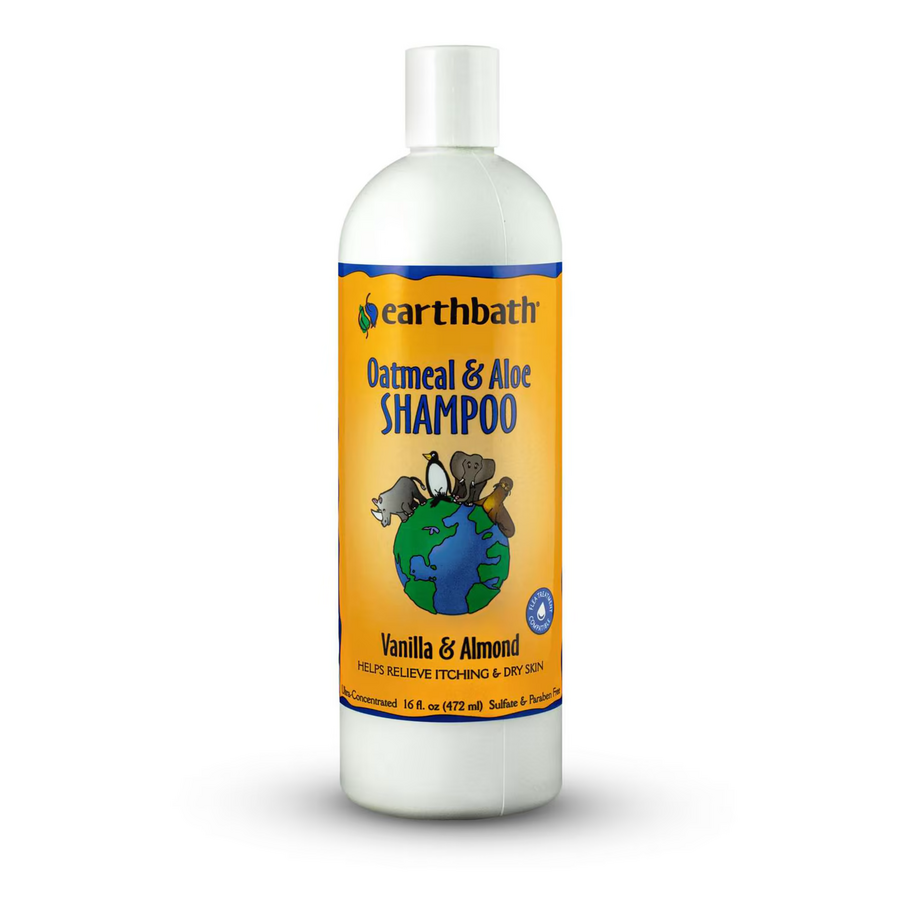
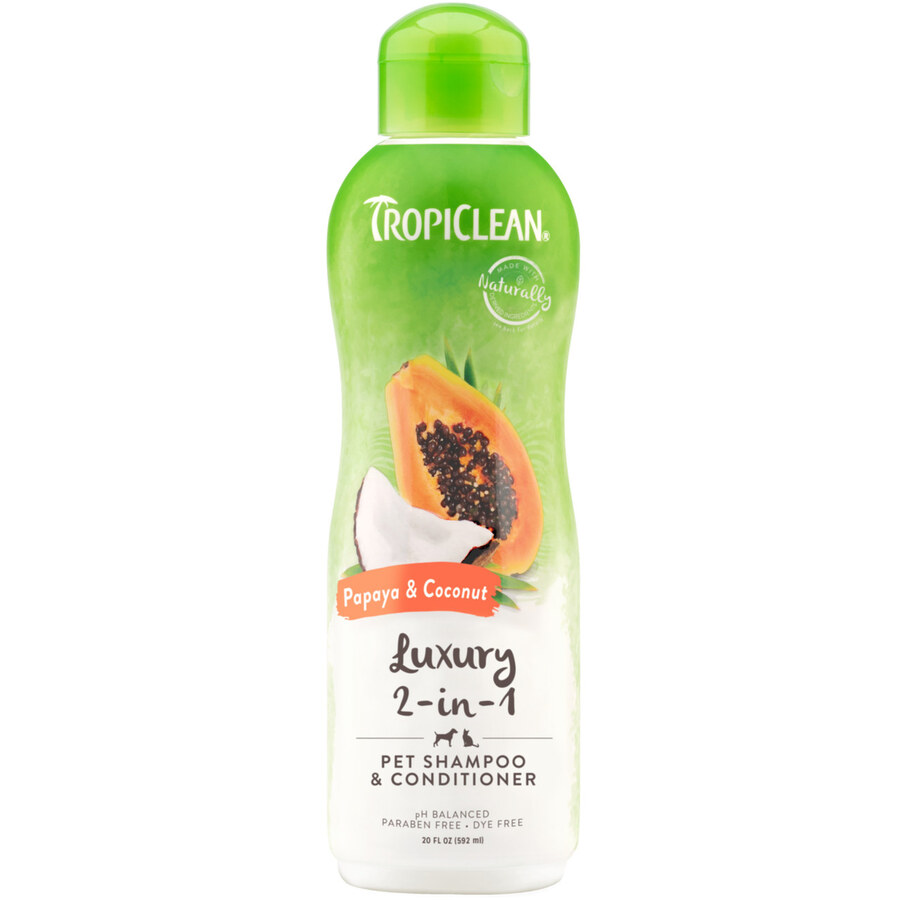
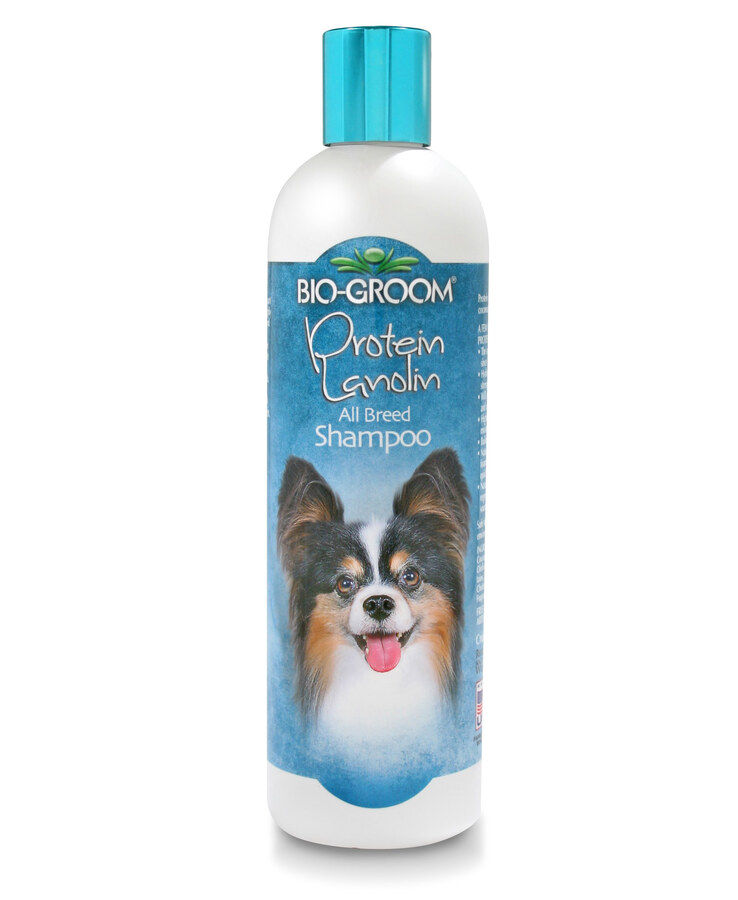
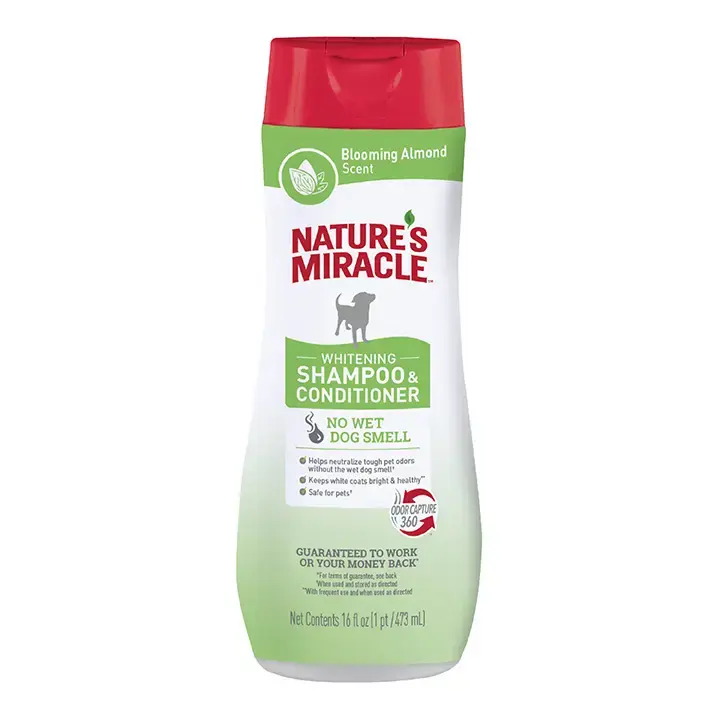
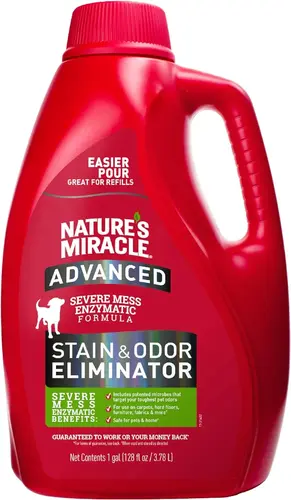
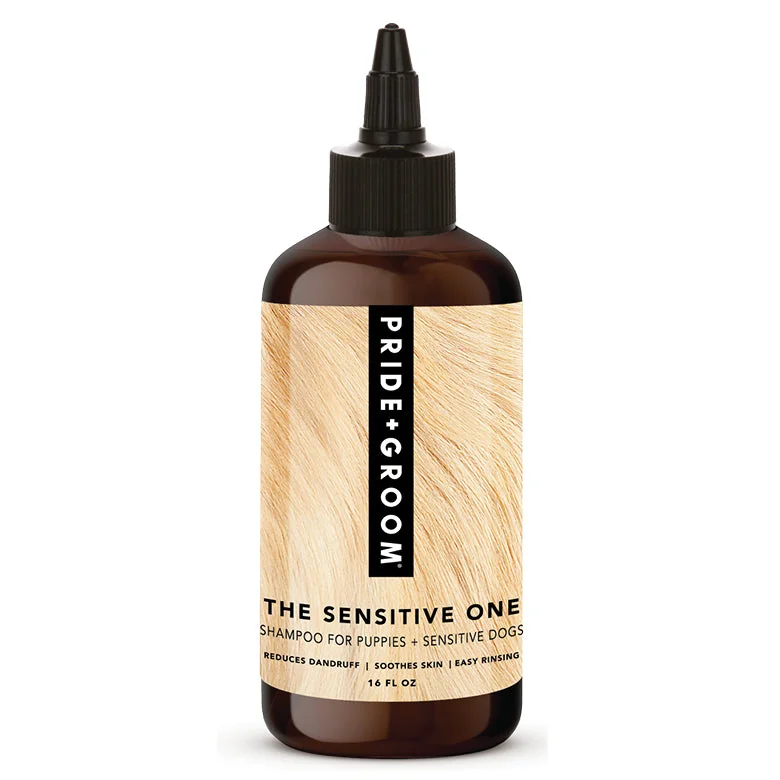
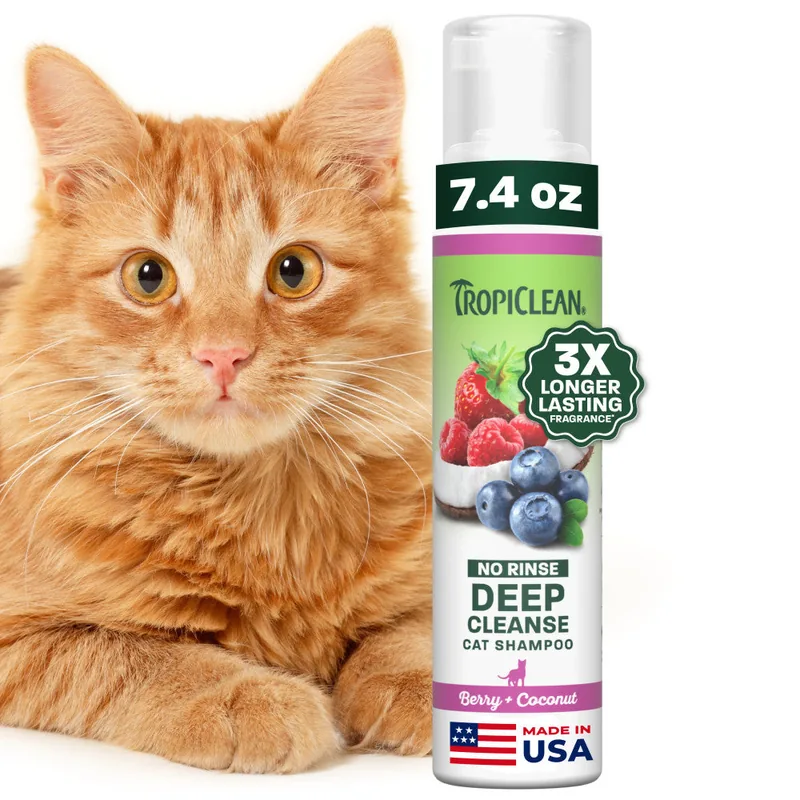
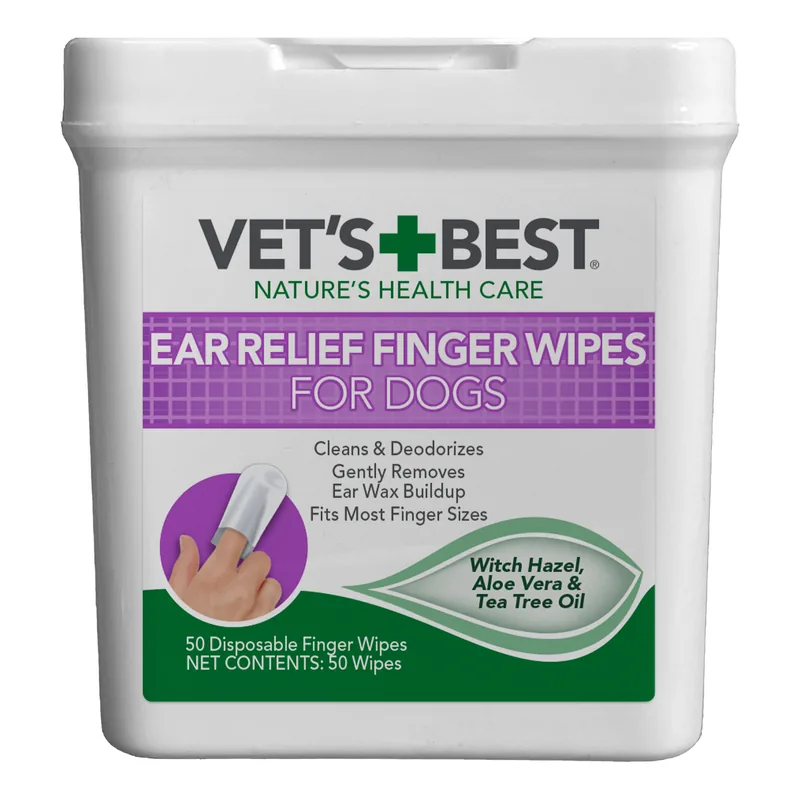
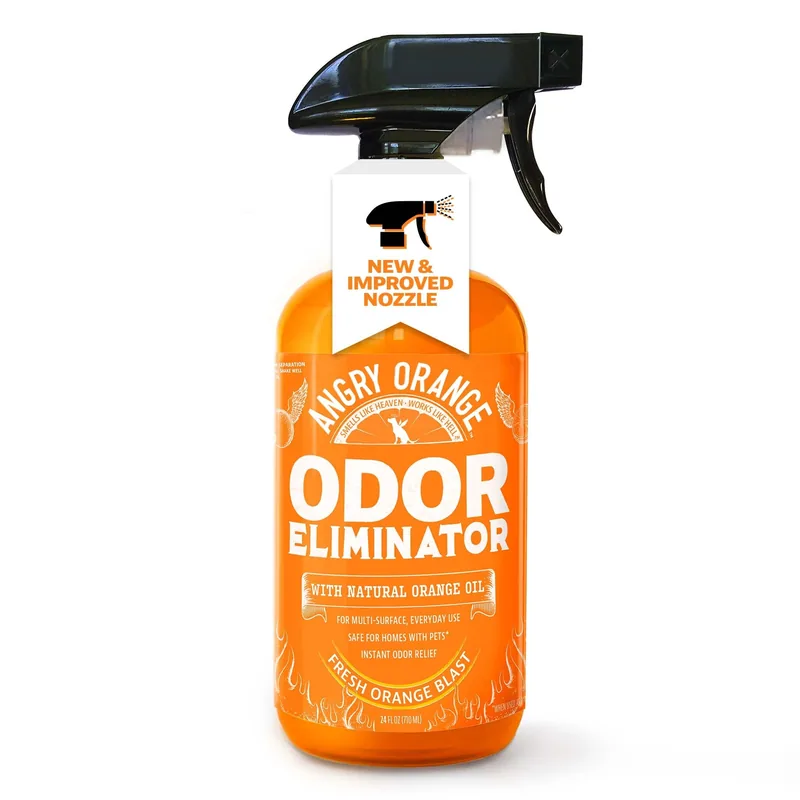
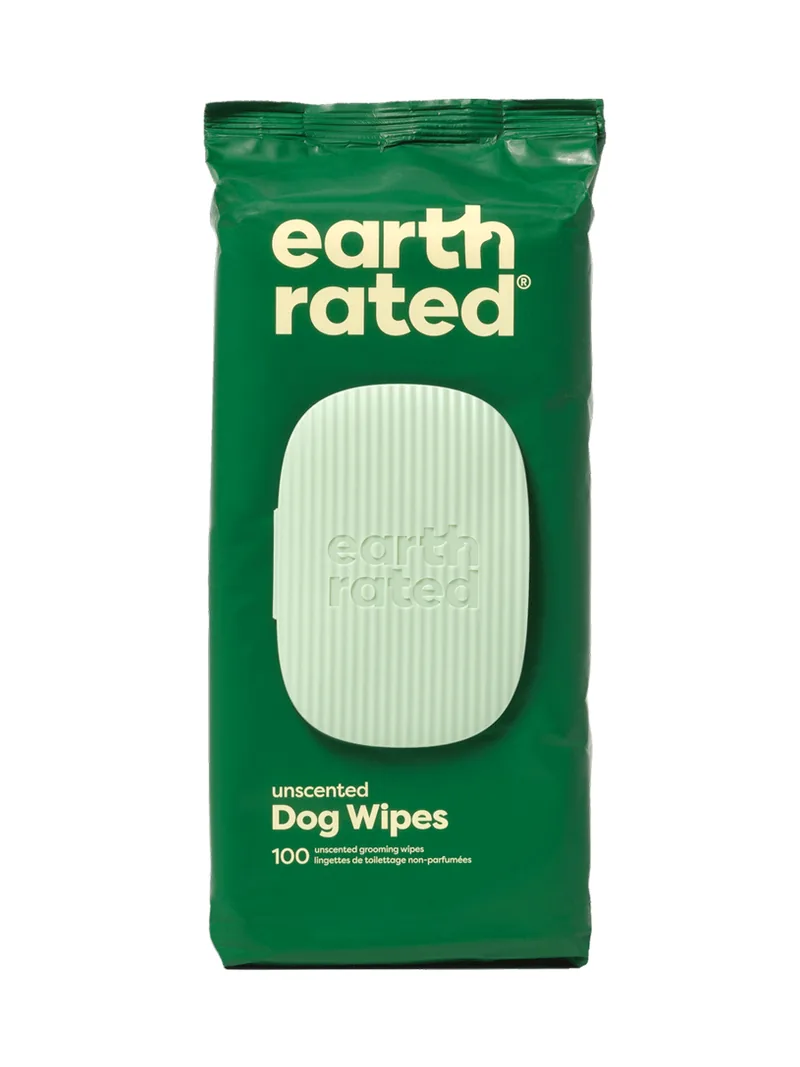
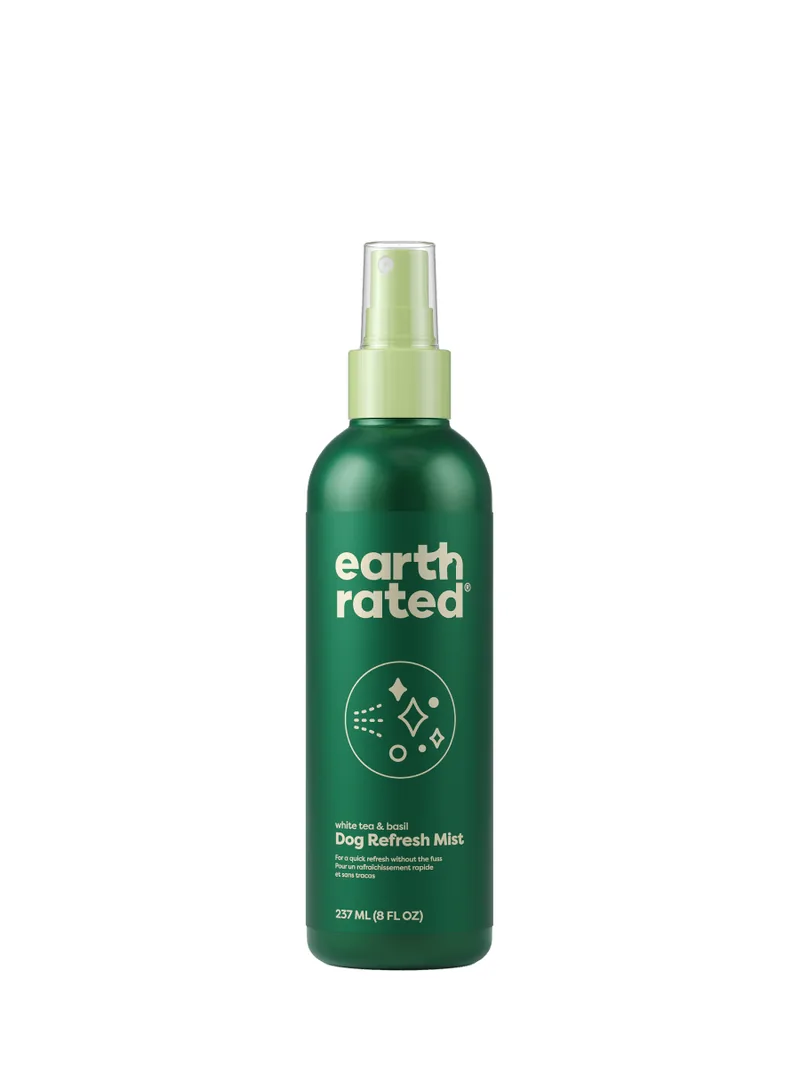
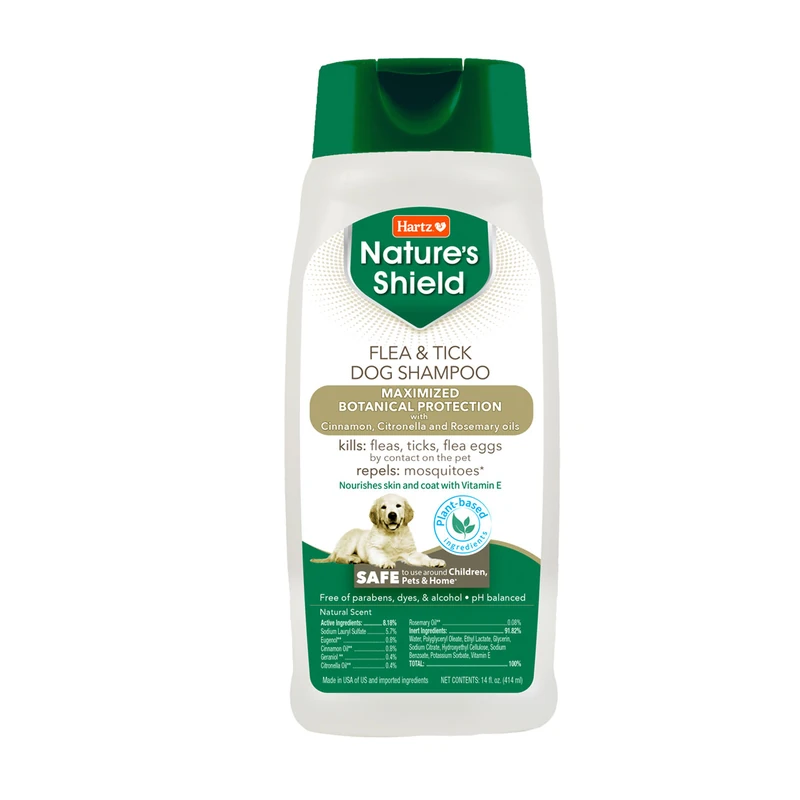
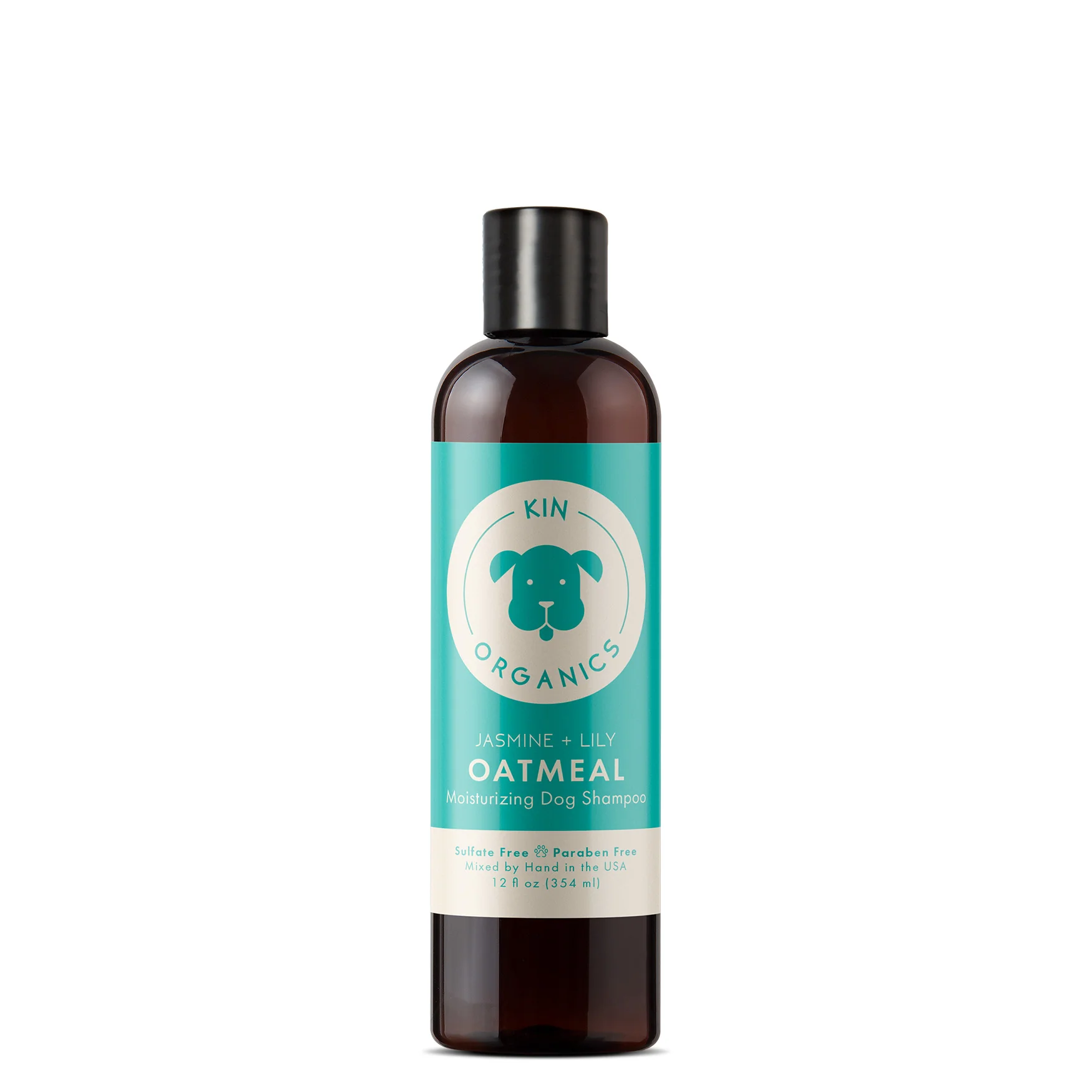
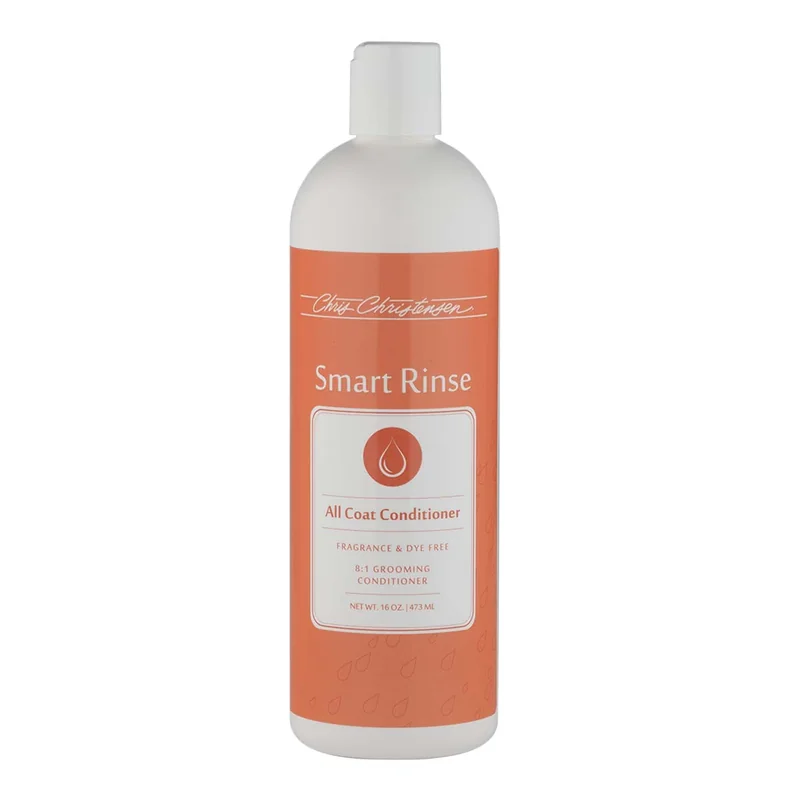
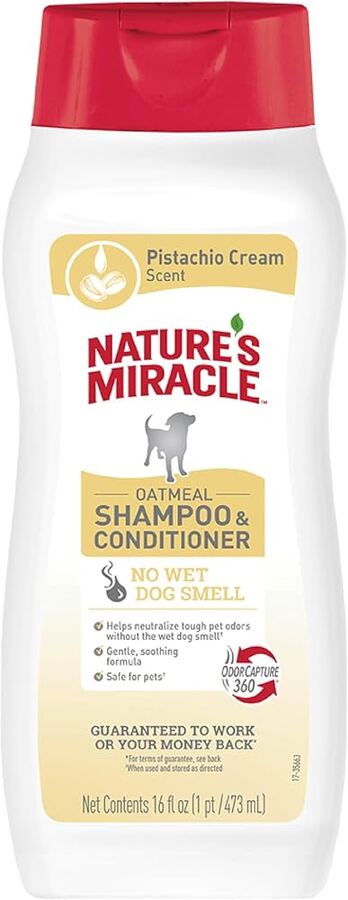
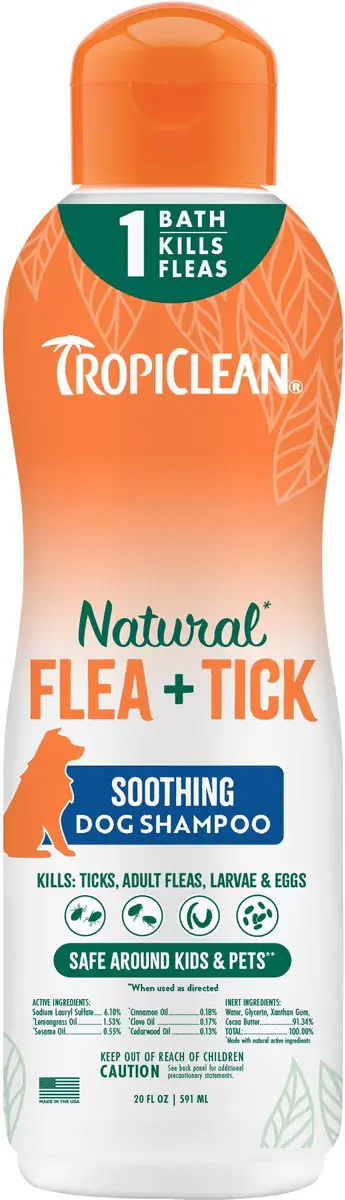
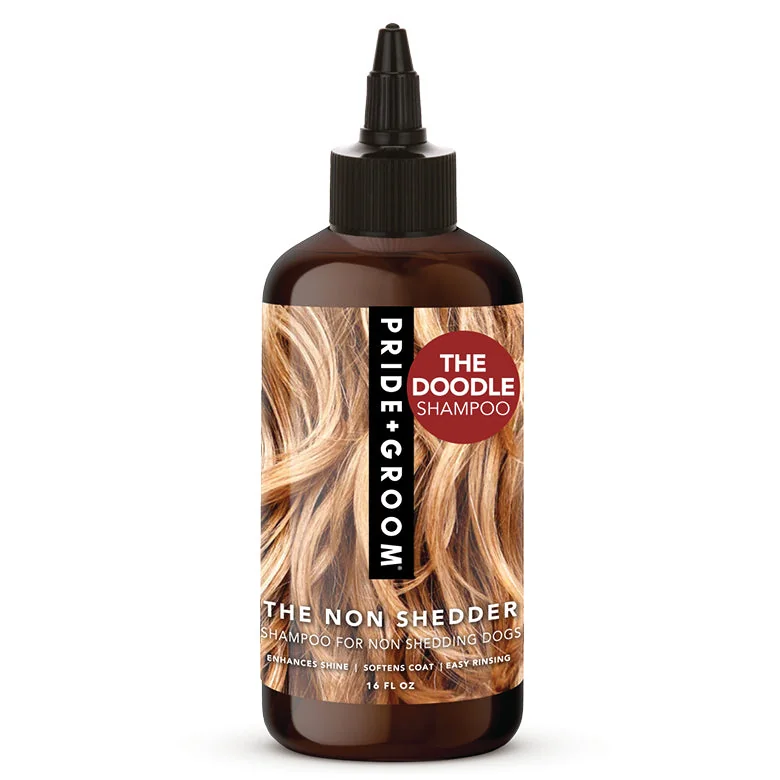
22 more scored products list this ingredient. Showing the 24 lowest-scoring.