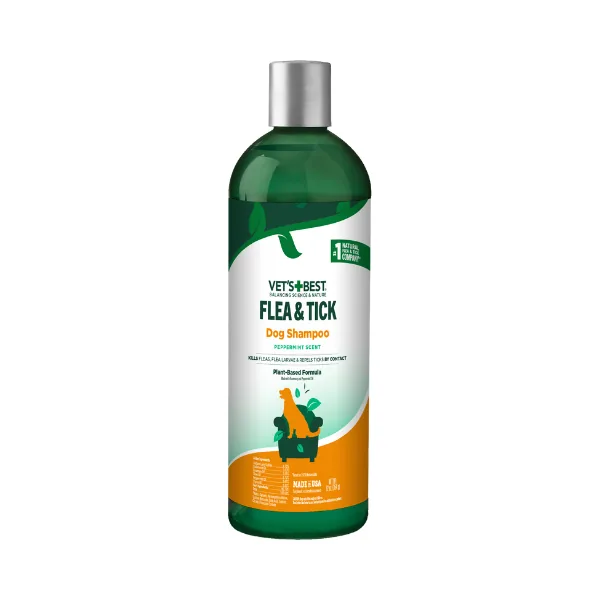
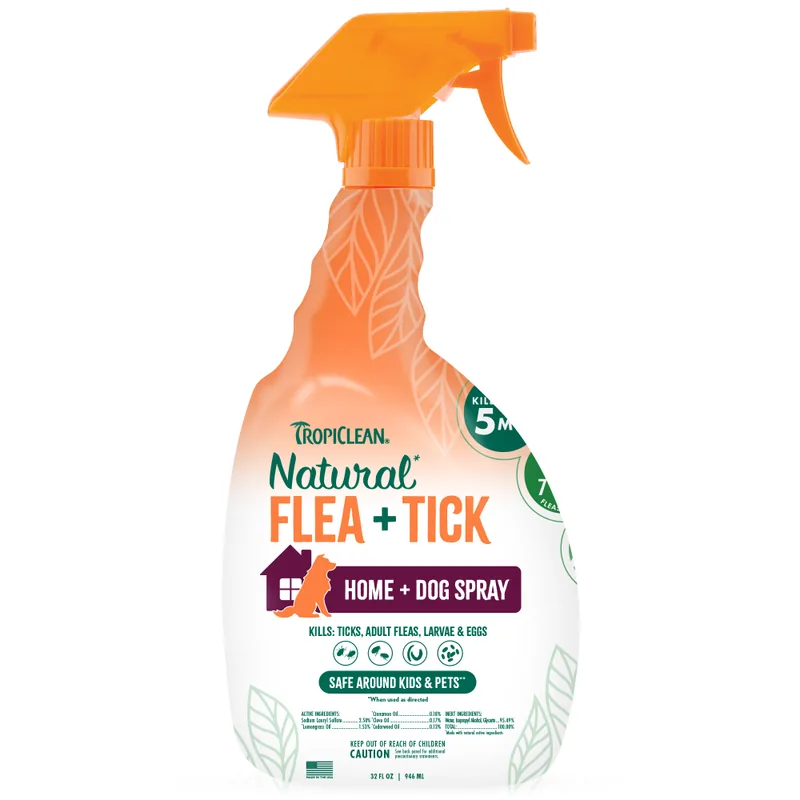
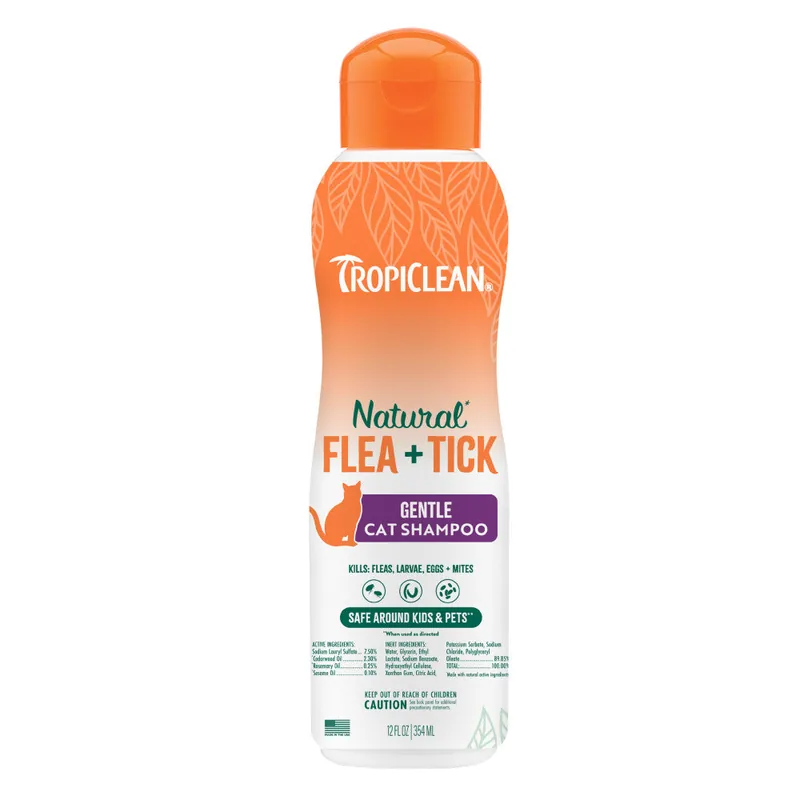
Plant-oil pesticide actives
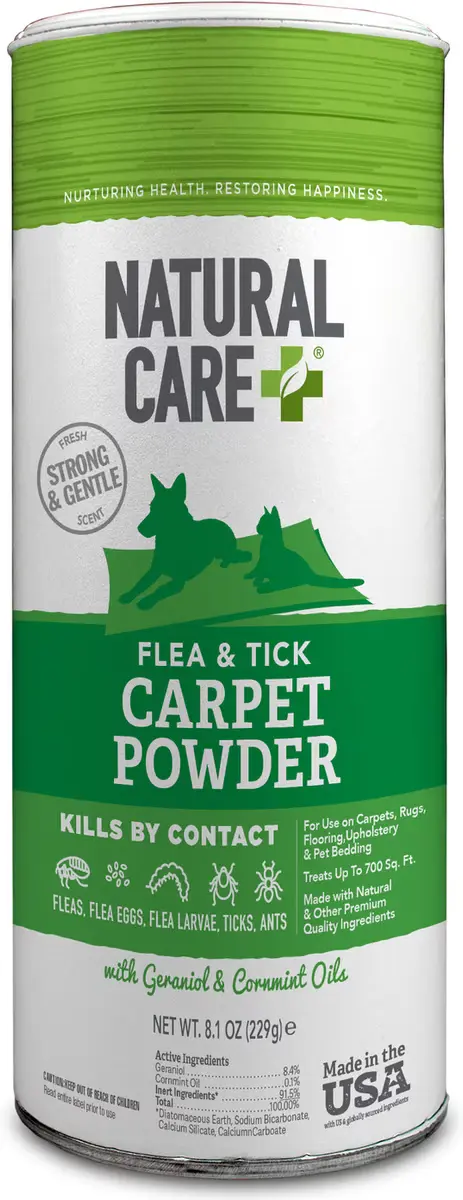
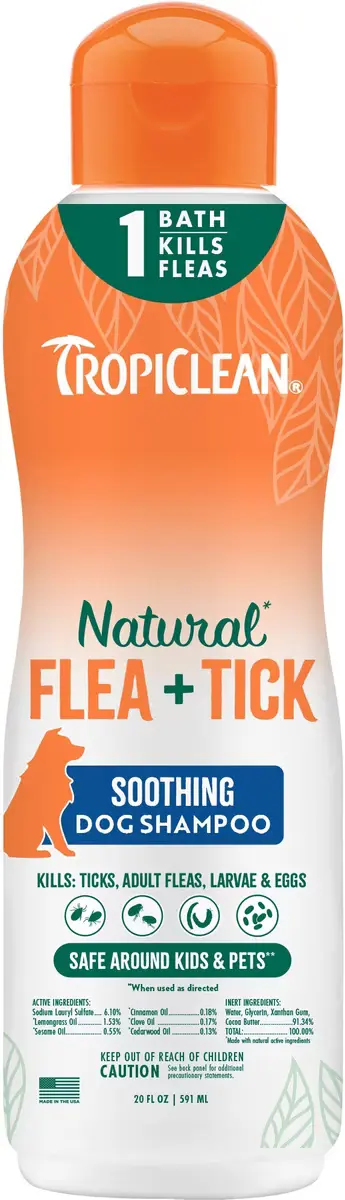
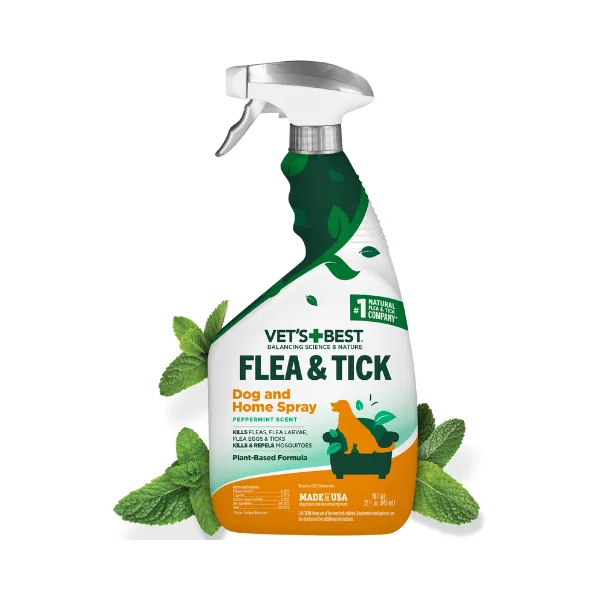
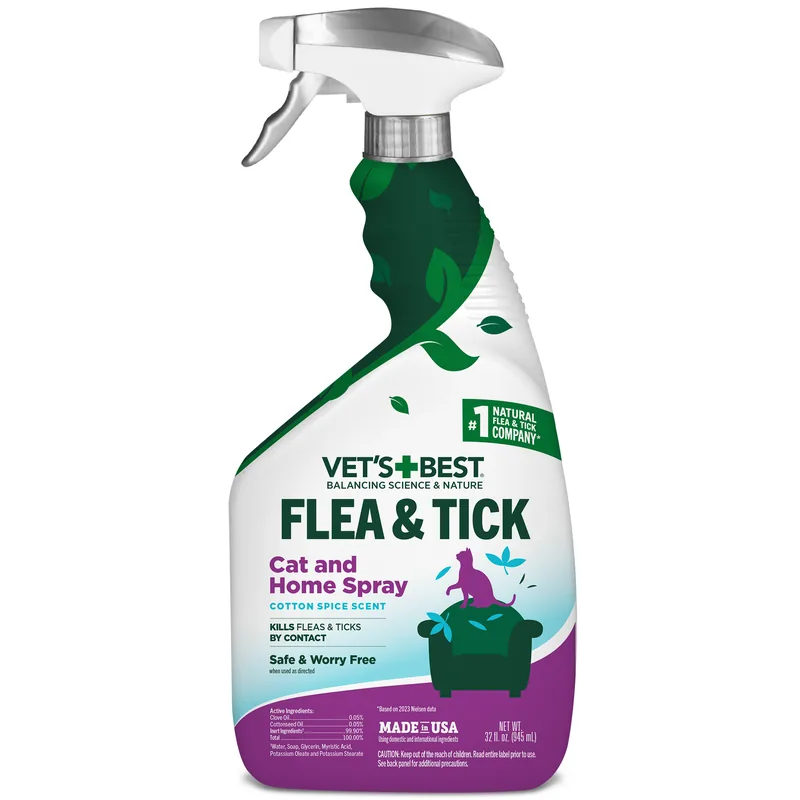
Plant oils and their components printed as the actives of a flea product, each with its share: clove, peppermint, thyme, rosemary, cedarwood, lemongrass, cinnamon, sesame and cottonseed oils, eugenol, geraniol and linalool.
Watched ingredients get highlighted on every product panel you open.
- Where it comes from
- Pressed or distilled from plants.
- Why it's in the product
- The actives of a minimum-risk pesticide. Most are on EPA's list of minimum-risk actives, which exempts a product from federal registration.
- Safety and toxicity
- Exempt from registration does not mean harmless. Cats are especially at risk from essential oils because they lack an enzyme they need to break them down, the Merck Veterinary Manual explains. Flagged as a pesticide active, like every active in this aisle.
- Interactions and who should be careful
- A product labelled for dogs is not labelled for cats, and with essential oils that difference matters.
We make the longer argument about this one on the pesticide actives evidence page.
General reference, not veterinary advice. Dose, breed, and existing conditions change the answer, so talk to your vet before changing what your pet eats. Think we got this wrong? Tell us and we log it publicly.
Found in 8 scored products
Lowest scores first. Its presence here is not what drove those scores.