Pesticide actives
Also appears on labels as: EPA-registered active ingredients, essential-oil insecticides, pyrethrins, permethrin
The part of a flea and tick product that does the killing. It is disclosed by law, by percentage, and it is the reason the label carries directions you have to follow.
Watched ingredients get highlighted on every product panel you open.
What the research says
A flea and tick product is a pesticide, and the EPA makes it print an ingredient statement no other pet product has to: every active by name and percentage, with the inert ingredients totalled underneath. That is more disclosure than a shampoo or a litter gives you, not less, and it is why we can read these panels precisely.
We flag the actives on every product in the category, not because a particular one is dangerous, but because "natural" and "chemical" are not the useful distinction here. Cinnamon, clove and cedarwood oils kill insects by the same logic as a synthetic pyrethroid, and cats in particular metabolize several essential oils and permethrin poorly. Dose, species and directions are what matter, so the note on each product names its actual actives and what they are.
Read the species on the front. A permethrin product labelled for dogs can be fatal to a cat in the same house, and several essential-oil formulas that are fine on a dog are not labelled for cats either. Nothing about this flag says avoid the category: an untreated flea infestation carries its own real risks.
Placeholder Sources: Source citations for this entry will be linked here once the citations feed is connected. Until then, ask us for the reading list any time: [email protected].
General reference, not veterinary advice. Dose, breed, and existing conditions change the answer, so talk to your vet before changing what your pet eats. Think we got this wrong? Tell us and we log it publicly.
Found in 2 scored products
We flag it by name on 2 of them. Lowest scores first.
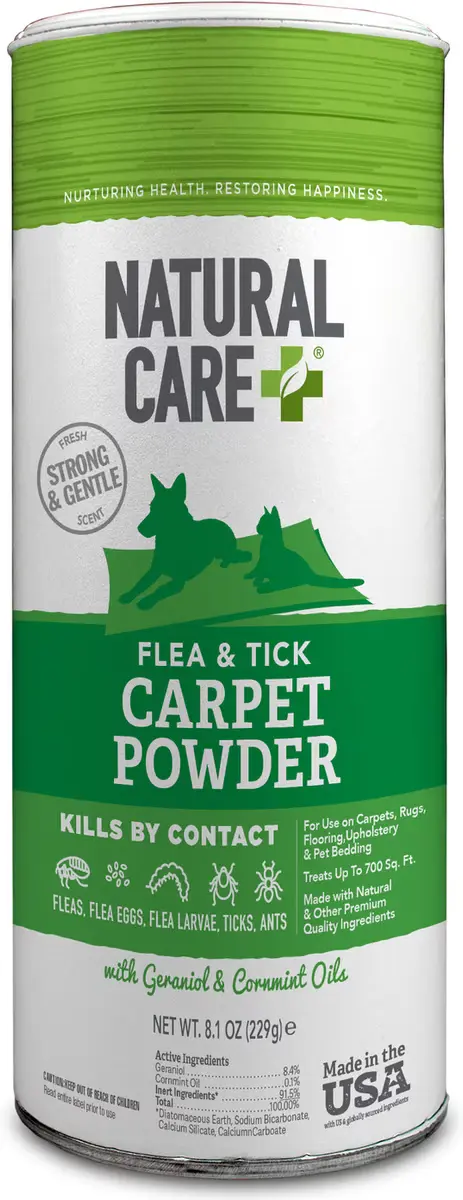 Natural CareFlea & Tick Carpet Powder
flagged on this product's score page
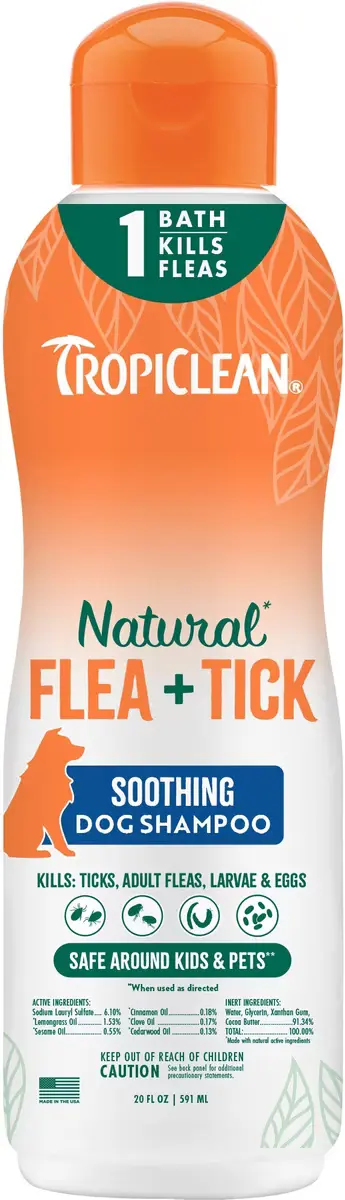 TropiCleanNatural Flea + Tick Soothing Dog Shampoo
flagged on this product's score page