Soft PVC and plasticizers
Also appears on labels as: DEHP, DINP; vinyl toys and vinyl fabric
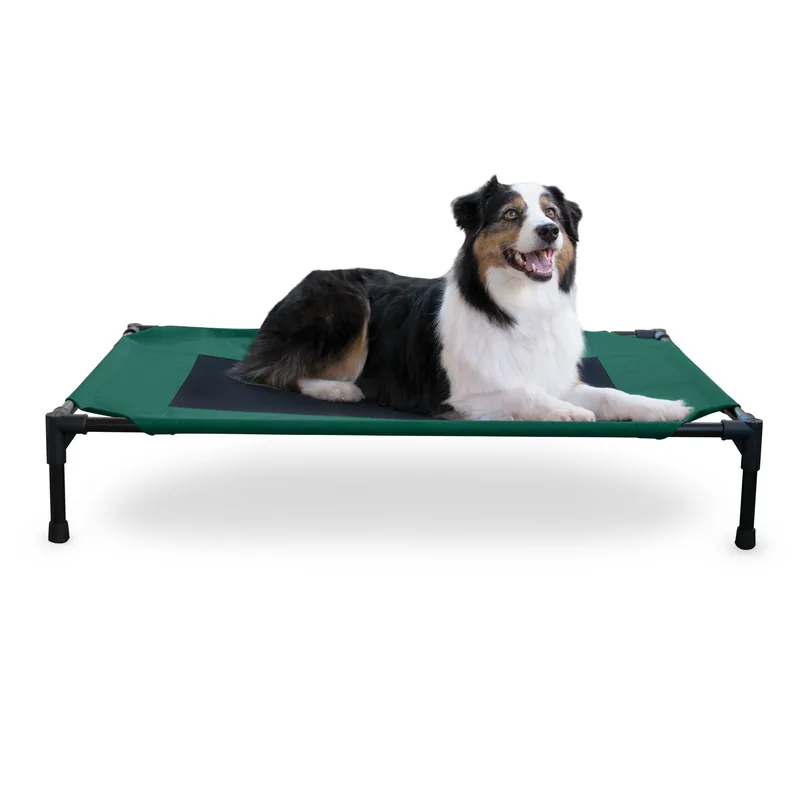
Polyvinyl chloride softened with plasticizers, usually phthalates: the squishy vinyl of a toy, or the vinyl fabric of a bed or a cover.
Watched ingredients get highlighted on every product panel you open.
- Where it comes from
- Petrochemical production.
- Why it's in the product
- Cheap, squeezable, brightly moldable toys, and tough vinyl fabric that wipes clean.
- Safety and toxicity
- Plasticizers aren't chemically bound to the plastic, so they work their way out of it. Studies of dog toys show they migrate into saliva during chewing, the exact use of a chew toy. Out of vinyl in a home they go slowly into the air and the dust, and a study of vinyl flooring modeled how people then take them in, by breathing, through the skin and in swallowed dust (Xu and colleagues, 2010). A pet that sleeps on a vinyl bed lies on it for hours. Phthalates are restricted in children's toys in the US and EU over endocrine-disruption concerns.
- Interactions and who should be careful
- There is no equivalent restriction for pet products, so it falls to the label-reader. Rubber, cotton rope and hard nylon toys avoid the issue, and so do beds and covers made of nylon, polyester or canvas. Rigid PVC, as in a frame's corner pieces, is made without plasticizers and reads as Rigid plastic parts.
What the research says
Soft PVC needs plasticizers, usually phthalates, and studies of dog toys show they migrate into saliva during chewing, which is the exact use case of a chew toy. Phthalates are restricted in children's toys in the US and EU for endocrine-disruption concerns.
Plasticizers aren't chemically bound to the PVC, so they also leave vinyl that is never chewed. A study of vinyl flooring modeled how they move into a home's air and dust and reach people by breathing, through the skin and in swallowed dust (Xu and colleagues, Environmental Health Perspectives, 2010). A pet on a vinyl bed lies on it for hours.
There's no equivalent restriction for pet products, so it's on the label-reader. Rubber, cotton rope, and hard nylon toys avoid the issue entirely, and so do beds and covers of nylon, polyester or canvas, which is why soft vinyl earns an avoid from us wherever it is.
Placeholder Sources: Source citations for this entry will be linked here once the citations feed is connected. Until then, ask us for the reading list any time: [email protected].
General reference, not veterinary advice. Dose, breed, and existing conditions change the answer, so talk to your vet before changing what your pet eats. Think we got this wrong? Tell us and we log it publicly.
Found in 2 scored products
We flag it by name on 1 of them. Lowest scores first.