Onion
Also appears on labels as: onion powder, onion extract, dried onion, dehydrated onion, onion juice, shallot
Onion in any form the label prints it: dried, powdered, or extracted for flavor.
Watched ingredients get highlighted on every product panel you open.
- Where it comes from
- Vegetable dehydration or extraction.
- Why it's in the product
- Flavor, almost always in a wet food or a gravy where it stands in for a savory note.
- Safety and toxicity
- The allium toxin story is the same as garlic's, and onion carries more of it. Thiosulfates damage red blood cells and can cause hemolytic anemia; onion is roughly three to five times more potent than garlic by weight. Commercial flavoring amounts are far below a toxic dose, and no recall has ever turned on onion extract in a pet food. We flag it anyway, because it is the one line on a panel where the ingredient is a known toxin and only the dose is keeping it safe.
- Interactions and who should be careful
- Cats are markedly more sensitive than dogs, and onion powder is the form most often implicated in feline cases. Japanese breeds including Akitas and Shiba Inus carry a red cell trait that lowers their threshold further. Cumulative dosing matters too: the damage is oxidative and adds up across meals.
General reference, not veterinary advice. Dose, breed, and existing conditions change the answer, so talk to your vet before changing what your pet eats. Think we got this wrong? Tell us and we log it publicly.
Found in 2 scored products
We flag it by name on 2 of them. Lowest scores first.
Panel Score 56 out of 100, grade D: Better options exist
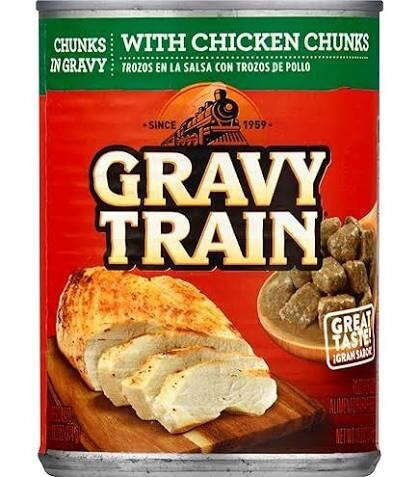 Gravy TrainChunks In Gravy With Chicken Chunks
flagged on this product's score page
Panel Score 72 out of 100, grade C: Proceed with caution
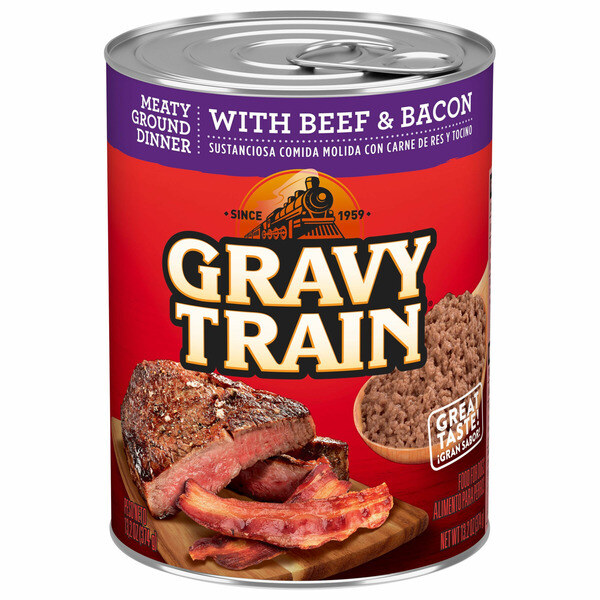 Gravy TrainMeaty Ground Dinner With Beef & Bacon
flagged on this product's score page