Natural rubber
Also appears on labels as: natural rubber (kong proprietary red rubber), natural rubber (kong black extreme formula), natural high-bounce rubber, extra-thick rubber core, 100% natural rubber (carbon-reinforced), rubber
Latex tapped from rubber trees, vulcanized into a solid, resilient material.
Watched ingredients get highlighted on every product panel you open.
- Where it comes from
- Rubber plantations, then molded, mostly in the US for the major brands.
- Why it's in the product
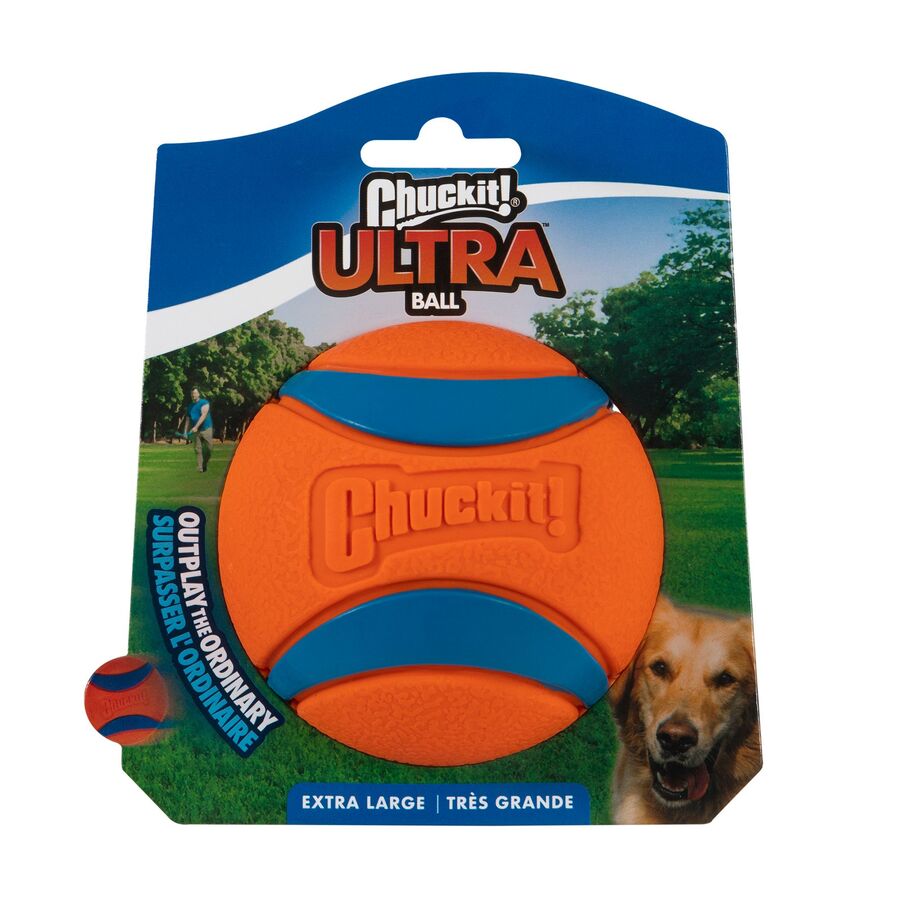
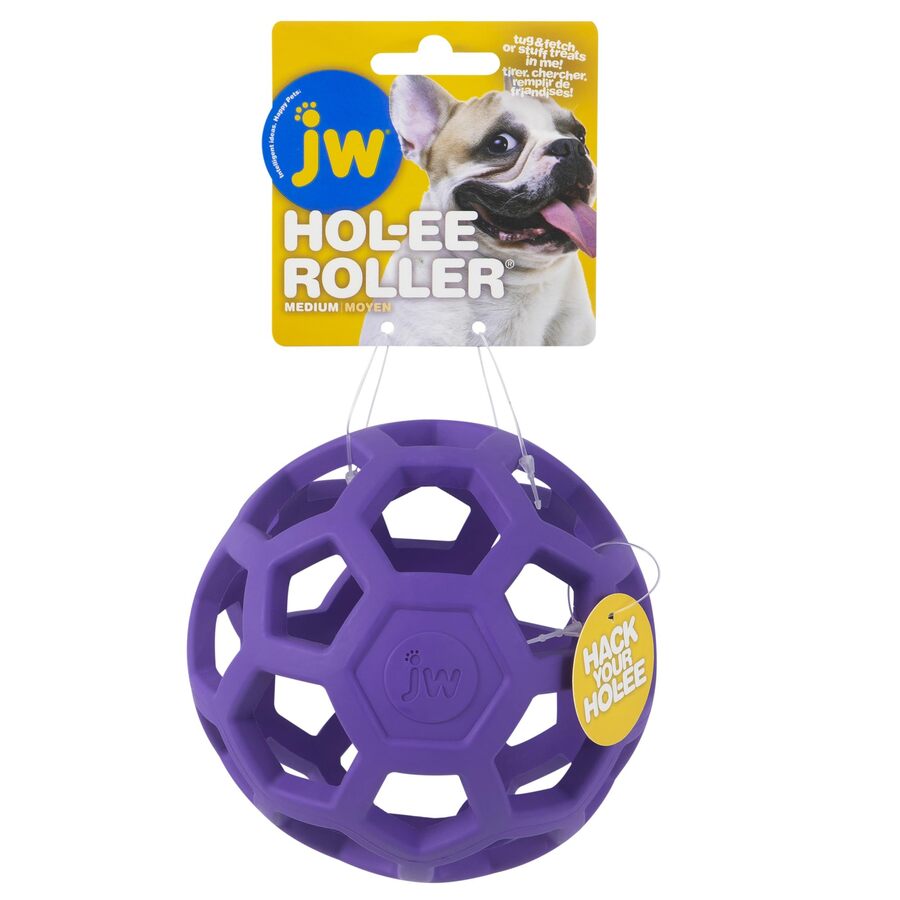
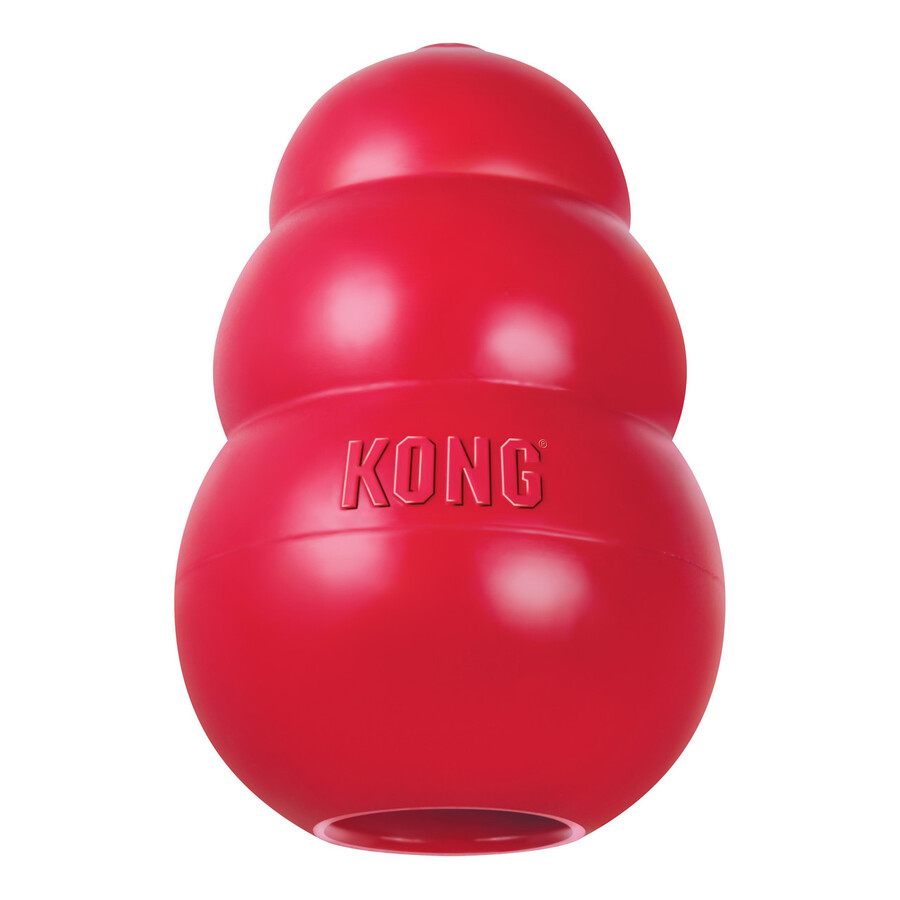
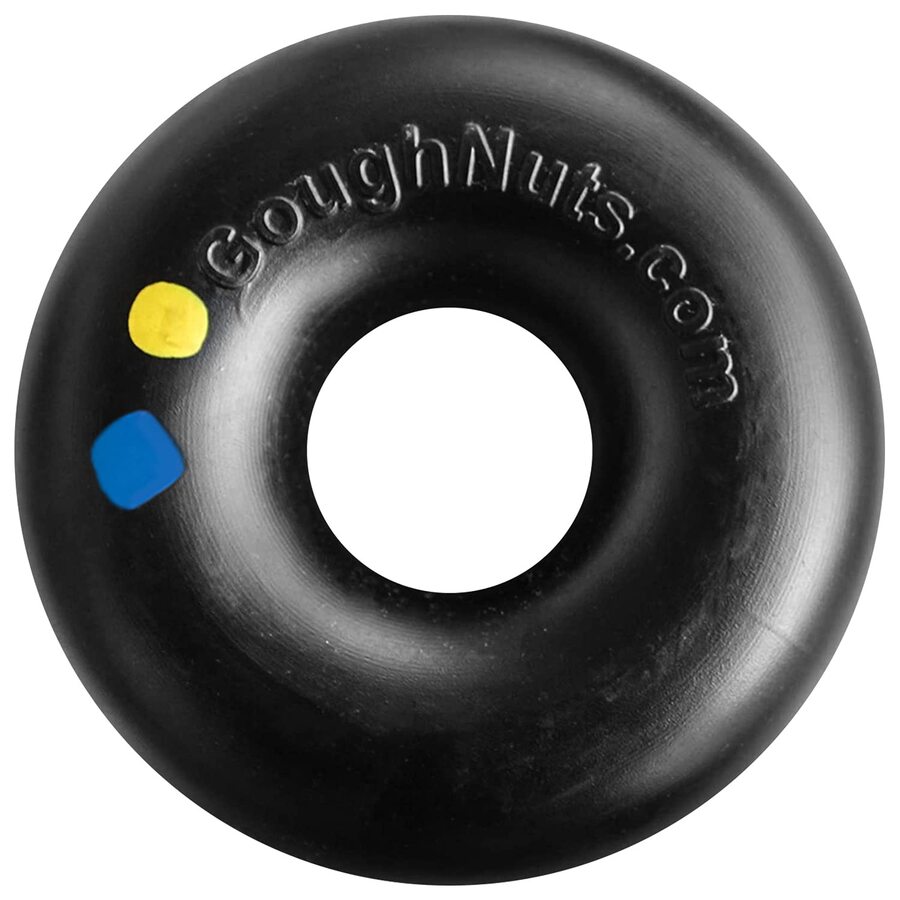
- Chew toys that flex under the tooth instead of shattering or grinding down.
- Safety and toxicity
- The best-understood chew material available. It flexes rather than fracturing teeth, it is not a soft plastic so it does not need plasticizers, and it sheds far less than synthetics. No toy is indestructible, and pieces torn off any toy can obstruct.
- Interactions and who should be careful
- Natural rubber latex allergy exists in humans and is worth knowing if you handle the toy constantly. It is not a documented problem in dogs.
General reference, not veterinary advice. Dose, breed, and existing conditions change the answer, so talk to your vet before changing what your pet eats. Think we got this wrong? Tell us and we log it publicly.
Found in 6 scored products
Lowest scores first. Its presence here is not what drove those scores.