Synthetic feeder and fountain materials
Also appears on labels as: abs plastic, abs plastic (body, bpa-free), polypropylene (pp) (water outlet), silicone (body)
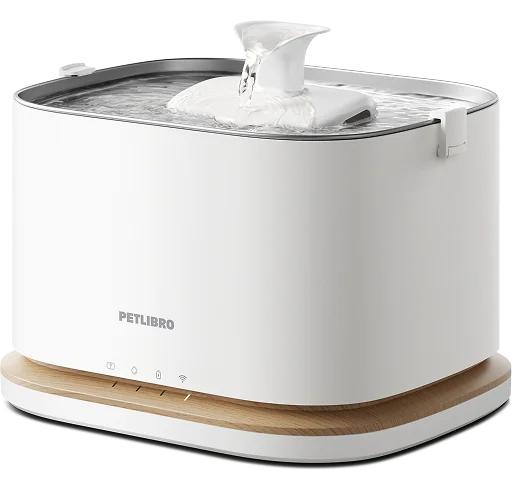
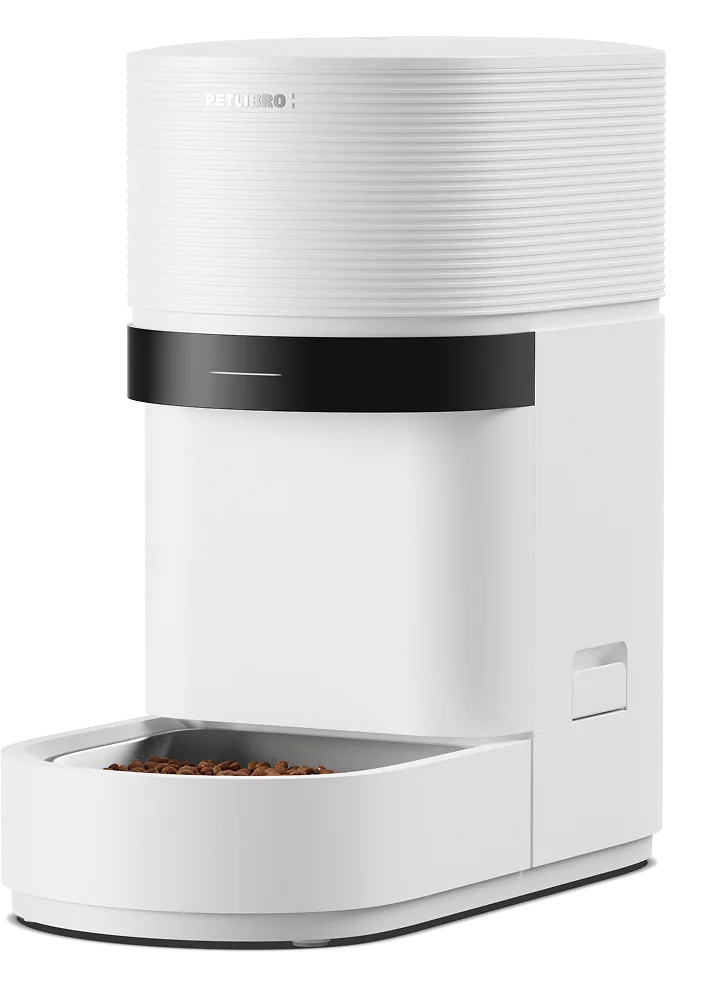
The named plastics and silicone in feeder and fountain bodies, spouts and seals: ABS, a hard plastic for housings; polypropylene, a common food-container plastic; and silicone, a soft synthetic rubber.
Watched ingredients get highlighted on every product panel you open.
- Where it comes from
- Polymer plants. ABS and polypropylene start from petrochemicals; silicone is built on silicon refined from quartz.
- Why it's in the product
- Light housings that can be molded around a pump, a motor or a food hopper.
- Safety and toxicity
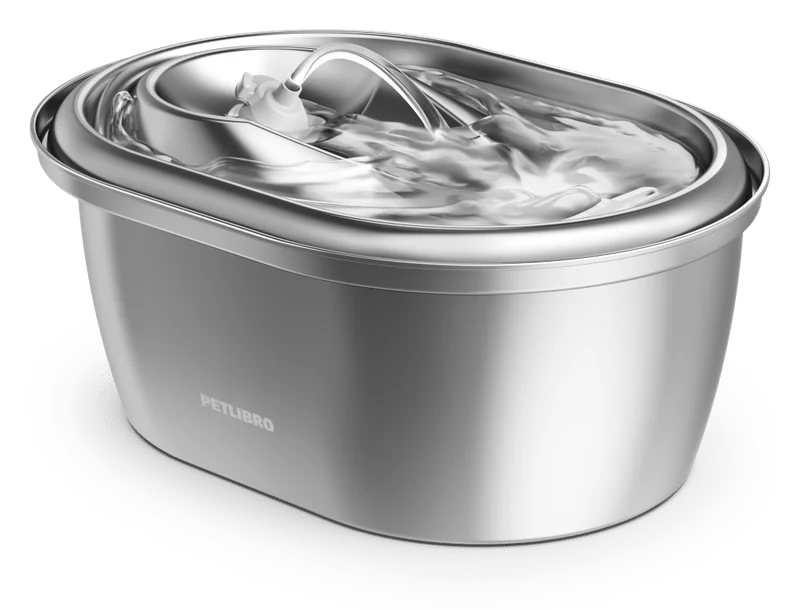
- Pets eat and drink from these parts but don't chew them, so the reason we flag synthetic toy materials, pieces chewed off and swallowed, does not apply. Plastic scratches with use, which makes it harder to keep clean than steel; that is a cleaning point, not a flag.
- Interactions and who should be careful
- "BPA-free" tells you little here: BPA is mainly used to make polycarbonate and epoxy, not these materials. Replace a worn spout, seal or filter housing when the maker says to.
General reference, not veterinary advice. Dose, breed, and existing conditions change the answer, so talk to your vet before changing what your pet eats. Think we got this wrong? Tell us and we log it publicly.
Found in 3 scored products
Lowest scores first. Its presence here is not what drove those scores.