Bed foams
Also appears on labels as: certipur-us certified orthopedic foam (three layers), certipur-us certified orthopedic foam (two layers), isotonic+ memory foam (cushion, certipur-us certified), 100% polyurethane memory foam (mattress insert), certipur-us certified egg crate orthopedic foam (base), molded eva foam shell
The foam in a bed's mattress, base or shell: polyurethane foam, memory foam (a polyurethane foam made to recover its shape slowly) and EVA foam (ethylene-vinyl acetate). Foam certified by CertiPUR-US is polyurethane, the only foam it certifies.
Watched ingredients get highlighted on every product panel you open.
- Where it comes from
- Polymer plants. Polyurethane foam is poured into blocks and cut to shape; EVA foam is molded.
- Why it's in the product
- Support and cushioning, and in a molded shell, the bed's shape.
- Safety and toxicity
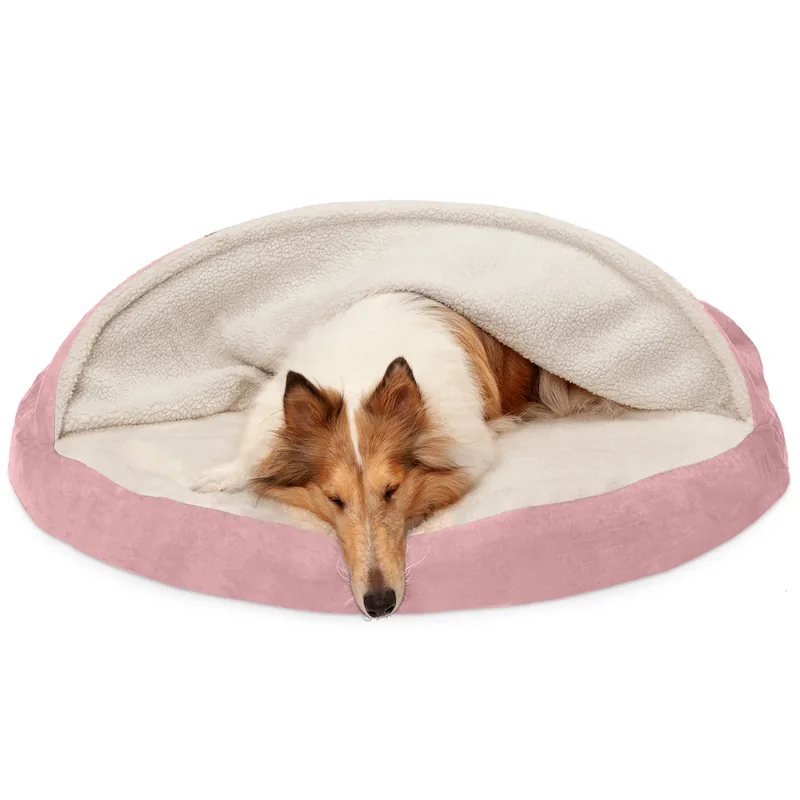
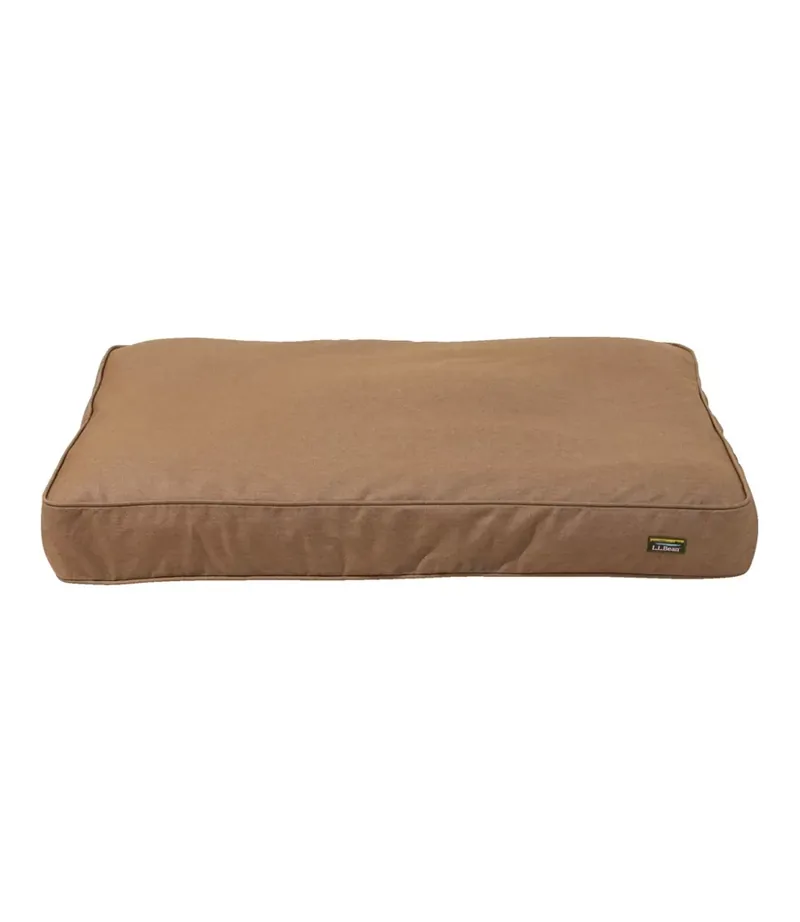
- Pets do chew beds, and a pet that swallows foam can get a gut blockage whatever the foam is (the Merck Veterinary Manual), so a bed that's being torn up should come out until the chewing stops. The foam is inside the cover, so we don't flag it the way we flag a synthetic cover: a pet reaches it only by tearing the bed open, and then the blockage is the bigger danger. New foam gives off volatile organic compounds: in a study of two new memory foam mattresses, emissions peaked on the first day and fell over the following month, staying below health-based benchmarks (Beckett and colleagues, 2022), so air a new foam bed out. CertiPUR-US certifies foam made without formaldehyde, the phthalates CPSC regulates, heavy metals and a list of flame retardants, with low emissions. Its list doesn't name every flame retardant, and it covers the foam only, not the cover, the liner or any finish.
- Interactions and who should be careful
- A foam whose polymer the maker doesn't name ("convolute orthopedic foam", "molded foam") reads as Undisclosed material. CertiPUR-US certifies foams, not finished products or companies; a brand that claims it can be looked up in its list of participating companies.
General reference, not veterinary advice. Dose, breed, and existing conditions change the answer, so talk to your vet before changing what your pet eats. Think we got this wrong? Tell us and we log it publicly.
Found in 7 scored products
Lowest scores first. Its presence here is not what drove those scores.